
- Propagating Succulent Leaves in Water: The Definitive Guide - August 16, 2026
- Succulent Pot Size Guide: 8 Things You Need To Know - August 16, 2026
- How to Prune a Succulent? (Complete Guide) - August 16, 2026
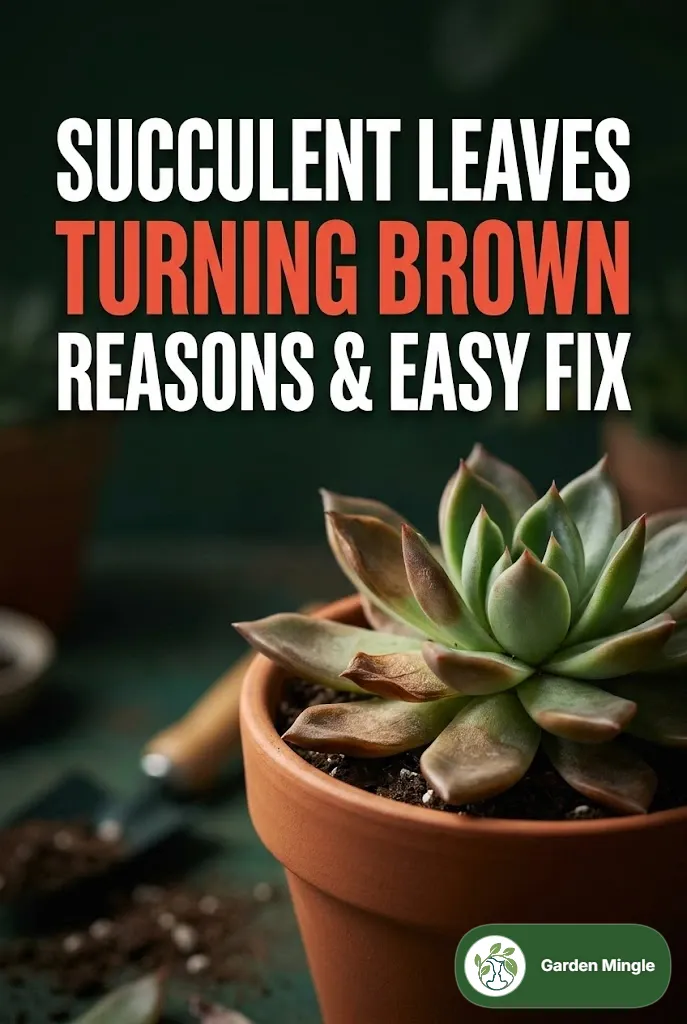
Have you noticed your beloved succulents sporting brown leaves? It can be disheartening to see these hardy plants, known for their vibrant colors and unique shapes, appear unhealthy. Understanding the reasons behind this browning and knowing how to remedy the situation can help restore your succulents to their former glory. Whether you’re a seasoned gardener or a newbie, this guide will provide practical insights to help your succulents thrive.
Quick Answer
Succulent leaves turn brown due to factors such as overwatering, underwatering, excessive sunlight, pests, or diseases. Identifying the specific cause allows you to implement easy fixes, ensuring your succulents regain their health and vitality.
Common Reasons for Brown Leaves
1. Overwatering
One of the most common culprits behind brown leaves is overwatering. Succulents store water in their leaves and stems, making them susceptible to root rot if they receive too much moisture. This excess water leads to a breakdown of the plant’s cells, resulting in brown, mushy leaves.
- Symptoms: Leaves may appear soft and mushy, often turning brown from the base.
- Solution: Allow the soil to dry out completely before watering again. Consider repotting in well-draining soil if root rot is suspected.
2. Underwatering
On the flip side, underwatering can also cause browning leaves. When succulents don’t receive enough water, their leaves may dry out and turn brown, particularly at the edges.
- Symptoms: Leaves may feel shriveled or crispy to the touch.
- Solution: Water your succulents thoroughly, allowing excess water to drain out. Establish a consistent watering schedule to prevent this issue.
3. Excessive Sunlight
While succulents thrive in bright light, too much direct sunlight can scorch their leaves. This often results in brown patches, especially on the leaves that face the sun.
- Symptoms: Leaves may develop brown, sunburned spots or edges.
- Solution: Move your plants to a location with indirect sunlight or provide shade during the hottest parts of the day.
4. Inadequate Temperature
Succulents prefer stable temperatures and can suffer if exposed to extreme cold or hot conditions. Sudden temperature changes can stress the plant, leading to brown leaves.
- Symptoms: Leaves may turn brown and drop off as the plant struggles to adapt.
- Solution: Keep your succulents in a temperature-controlled environment, ideally between 60°F and 80°F (15°C – 27°C).
5. Pests and Diseases
Pests such as mealybugs, aphids, and spider mites can attack succulents, draining their vitality and causing leaf discoloration. Fungal infections can also contribute to browning leaves.
- Symptoms: Brown leaves may be accompanied by visible pests or a fuzzy mold.
- Solution: Treat infested plants with insecticidal soap or neem oil. For fungal issues, reduce humidity and consider using a fungicide.
Easy Fixes for Browning Succulents
1. Assess Watering Habits
Start by evaluating your watering routine. Use the “soak and dry” method—water thoroughly, then allow the soil to dry completely before the next watering. Always check the soil moisture with your finger to avoid guesswork.
2. Adjust Lighting Conditions
Observe how much light your succulents receive. If they’re getting too much direct sunlight, consider relocating them to a spot with filtered light. Conversely, if they’re not getting enough light, a grow light can be a great solution.
3. Monitor Temperature and Humidity
Keep your succulent environment stable. If you notice drastic temperature changes, try to maintain a consistent indoor climate. Avoid placing succulents near heating vents or drafty windows.
4. Regularly Inspect for Pests
Make it a habit to check your plants for pests. If you spot any, act quickly to remove them. Regular cleaning of your succulents can prevent infestations before they start.
Pinterest-Style Ideas for Succulent Care
- Creative Watering Schedule: Use a colorful calendar to track your watering days and avoid over or underwatering.
- Succulent Displays: Create visually appealing arrangements in unique containers to inspire your indoor garden setup.
- Lighting Solutions: Use decorative lamps or string lights to enhance the aesthetic while providing the right light for your plants.
- DIY Pest Control: Share homemade pest deterrents using common household ingredients for a natural approach.
- Temperature Zones: Designate different areas of your home for succulents based on their light and temperature needs.
Expert Tips for Thriving Succulents
Here are some insider tips to keep your succulents healthy:
- Choose the Right Soil: Use cactus or succulent mix for optimal drainage.
- Use Terracotta Pots: These pots allow for better airflow and moisture control compared to plastic pots.
- Fertilize Sparingly: Feed your succulents with a diluted, balanced fertilizer during the growing season, but skip it during dormancy to prevent stress.
Common Questions
Why are only some of my succulent leaves turning brown?
Specific leaves may be more exposed to light or moisture conditions than others. Regularly inspect all leaves for signs of distress.
Can I save my succulent if the leaves are brown?
Yes! Trim off the brown leaves and adjust your care routine. If root rot is present, repotting in fresh soil may be necessary.
How often should I water my succulents?
Watering frequency can vary but typically ranges from every 1-3 weeks, depending on the season and environmental conditions.
What signs indicate my succulent is healthy?
Healthy succulents have firm, plump leaves and vibrant colors, with no discoloration or drooping.
Conclusion
Brown leaves on succulents can be alarming, but with a little observation and adjustment, you can help your plants recover. By understanding their needs and responding to the signs they give you, your succulents can thrive, bringing beauty and joy to your space. Remember, gardening is a journey, and every plant care experience teaches you something new!
Leave a Reply