
- Propagating Succulent Leaves in Water: The Definitive Guide - August 16, 2026
- Succulent Pot Size Guide: 8 Things You Need To Know - August 16, 2026
- How to Prune a Succulent? (Complete Guide) - August 16, 2026
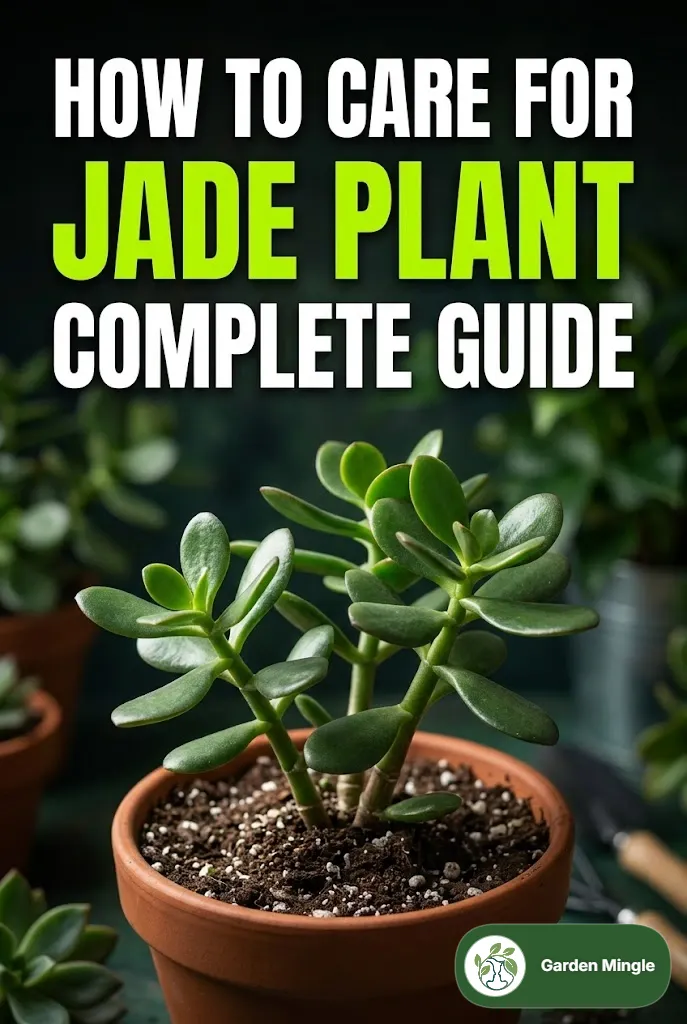
Jade plants, with their lush green leaves and distinctive appearance, are much more than just attractive houseplants. They symbolize good luck and prosperity, making them a popular choice for many homes. However, caring for a jade plant can be a bit tricky if you’re not familiar with its needs. Whether you’re a seasoned gardener or a novice plant parent, understanding how to properly care for your jade plant is essential for its health and longevity. Let’s dive into the complete guide on nurturing this beautiful succulent!
Quick Answer
To care for a jade plant, ensure it receives bright, indirect sunlight, water it only when the top inch of soil is dry, and use well-draining soil. Fertilize sparingly and provide adequate airflow to prevent pests and diseases.
Understanding the Jade Plant
The jade plant, or Crassula ovata, is a succulent that thrives in dry conditions. Its thick, fleshy leaves store water, allowing it to survive in arid environments. This plant is not only aesthetically pleasing but also easy to propagate, making it a favorite among gardeners. Understanding its natural habitat helps in replicating the right conditions at home.
Choosing the Right Pot and Soil
- Pot Material: Choose pots made from terracotta or ceramic. These materials allow for better airflow and help wick away excess moisture.
- Drainage: Ensure your pot has drainage holes to prevent water from pooling at the bottom, which can cause root rot.
- Soil Type: Use a well-draining cactus or succulent mix. You can also create your own by mixing regular potting soil with sand or perlite.
Light Requirements
Jade plants thrive in bright, indirect sunlight. Here’s how to ensure they get the right amount of light:
- Location: Place your jade plant near a south-facing window where it can receive plenty of light without direct sun exposure.
- Signs of Insufficient Light: If the leaves start to become pale or drop, your plant might not be getting enough light.
- Signs of Too Much Light: Leaf scorch or browning edges indicate that your plant is getting too much direct sunlight.
Watering Your Jade Plant
Watering is one of the most critical aspects of jade plant care. Here’s what you need to know:
Watering Schedule
- Frequency: Allow the top inch of soil to dry out before watering again, typically every 2-3 weeks depending on humidity and temperature.
- Seasonal Adjustments: Reduce watering in the winter months when growth slows down.
Watering Technique
- Soak and Dry: Water deeply until it drains from the bottom, then let the soil dry out completely.
- Avoid Overwatering: It’s crucial not to let your jade plant sit in water, as this leads to root rot.
Fertilizing Your Jade Plant
While jade plants don’t require a lot of fertilizer, a little can go a long way:
- Type of Fertilizer: Use a balanced, water-soluble fertilizer diluted to half strength.
- Frequency: Fertilize during the growing season (spring and summer) every 4-6 weeks.
- Avoid Over-Fertilizing: Too much fertilizer can lead to leggy growth and a decline in overall health.
Common Pests and Problems
Even though jade plants are relatively hardy, they can still face some challenges:
Identifying Pests
- Mealybugs: These can be a common nuisance. Look for white cottony clusters on the leaves.
- Spider Mites: Fine webbing on the plant indicates a spider mite infestation.
Preventative Measures
- Airflow: Ensure good airflow around your plant to prevent pests.
- Regular Checks: Inspect your jade plant regularly for signs of pests or diseases.
Propagation Techniques
One of the joys of owning a jade plant is its ease of propagation. Here’s how to do it:
Leaf Cuttings
- Select a healthy leaf and cut it at the base.
- Allow the cutting to dry for a few days until a callous forms.
- Plant it in a well-draining soil mix and water sparingly.
Stem Cuttings
- Cut a healthy stem, ensuring it has a few leaves.
- Let the cutting dry for a couple of days.
- Plant it in soil and maintain similar watering practices as with the parent plant.
Expert Tips for Thriving Jade Plants
- Rotate Your Plant: Rotate your jade plant regularly to ensure even growth and prevent it from leaning toward the light.
- Seasonal Care: Adjust your care routine as seasons change, focusing more on watering during summer and less during winter.
- Dust Leaves: Wipe the leaves with a damp cloth regularly to keep them clean and enhance their ability to photosynthesize.
Common Questions
How often should I repot my jade plant?
Repot your jade plant every 2-3 years or when it becomes root-bound. Choose a pot that is slightly larger than the current one.
Why are the leaves falling off my jade plant?
Leaf drop can be caused by overwatering, insufficient light, or sudden temperature changes. Assess your care routine to identify the issue.
Can jade plants survive indoors?
Yes, jade plants thrive indoors as long as they receive adequate light and are not overwatered.
Conclusion
Caring for a jade plant can be a rewarding experience, offering both beauty and a sense of accomplishment. By understanding its light, water, and soil requirements, you can ensure a thriving environment for your jade plant. Remember to keep an eye on potential pests and enjoy the process of propagation as your plant grows. Happy gardening!
Leave a Reply