
- How to Build Raised Garden Beds: 7 Steps That Actually Work - July 28, 2026
- Monthly Garden Guide: Best Times to Plant Fruits & Vegetables - July 28, 2026
- 10 Genius Organic Pest Control Hacks Your Garden is Begging For - July 28, 2026
Share the post "Monthly Garden Guide: Best Times to Plant Fruits & Vegetables"
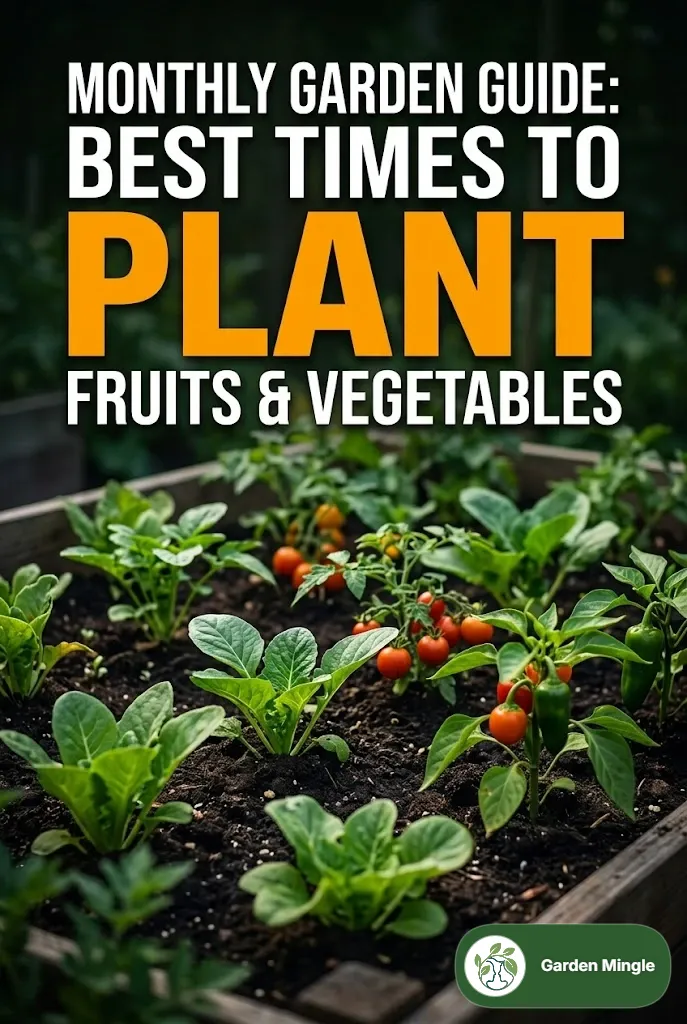
Gardening can be a rewarding hobby, but knowing when to plant your fruits and vegetables can make all the difference in your harvest. Each month brings its own set of optimal planting times based on climate, soil conditions, and the specific needs of different crops. Whether you’re a seasoned gardener or just starting, understanding the best times to plant can help you maximize your yield and enjoy a bountiful garden. Let’s dive into a monthly garden guide that will help you plant smartly throughout the year.
January: Planning and Preparation
While January might not seem like the prime gardening month, it’s the perfect time to plan your garden. Start by:
- Reviewing last year’s gardening successes and failures.
- Sketching your garden layout and deciding what fruits and vegetables you want to grow.
- Ordering seeds while they’re still available.
February: Indoor Seed Starting
February is ideal for starting seeds indoors for early spring planting. Consider these options:
- Tomatoes: Start them indoors about 6-8 weeks before the last frost.
- Pepper: Similar to tomatoes, start them indoors to give them a head start.
- Herbs: Basil, oregano, and parsley can be started indoors for fresh flavors.
March: Time to Sow Outdoors
As the weather starts to warm, March is perfect for sowing certain vegetables directly into the soil:
- Peas: Plant as soon as the soil can be worked.
- Spinach: Early spring is the best time for this cool-weather crop.
- Radishes: These can be sown as soon as the soil is workable.
April: Transplanting and Direct Sowing
April is a busy month in the garden. It’s time for:
- Transplanting: Move your indoor seedlings like tomatoes and peppers outdoors after the last frost.
- Direct sowing: Carrots, beets, and lettuce can be planted directly in the ground.
- Herbs: Cilantro and dill can be sown outdoors now.
May: Full Swing Planting
By May, your garden should be in full swing. Here’s what to plant:
- Squash: Both summer and winter squash can be sown now.
- Cucumbers: These thrive in warmer soil conditions.
- Beans: Plant pole and bush beans for a summer harvest.
June: Mid-Season Care
In June, focus on maintenance and planting some additional crops:
- Tomatoes and Peppers: Continue to care for these as they grow.
- Late Crops: Consider sowing pumpkin seeds for a fall harvest.
- Herbs: Basil can be sown for a continuous supply.
July: Harvest and Planting for Fall
July is a time to enjoy your harvest while preparing for fall planting:
- Harvest: Pick your beans, tomatoes, and cucumbers regularly.
- Fall Crops: Start sowing seeds for fall crops like kale and turnips.
- Succession Planting: Plant a second round of beans for a later harvest.
August: Late Summer Planting
August can be hot, but it’s still a great time for planting:
- Broccoli: Start seeds indoors for a fall crop.
- Radishes: Quick-growing varieties can be sown for a late-season harvest.
- Spinach: Plant for a fall harvest, as it thrives in cooler weather.
September: Preparing for Fall
September marks the transition into fall gardening. Focus on:
- Harvest: Continue to harvest your summer crops.
- Planting: Sow garlic and shallots for next year’s harvest.
- Cover Crops: Consider planting cover crops to enrich the soil for the next season.
October: Final Harvests and Winter Prep
As the weather cools, October is about wrapping up your gardening year:
- Harvest: Gather remaining crops like pumpkins and late tomatoes.
- Mulching: Apply mulch to protect perennials and bulbs.
- Planning: Start planning for next year’s garden based on this year’s experiences.
November: Planning for Winter
November is a quieter month, but it’s still important for your garden:
- Soil Preparation: Amend the soil with compost or well-rotted manure.
- Winter Crops: If your climate allows, consider overwintering crops like kale.
- Tool Maintenance: Clean and sharpen your gardening tools for next year.
December: Reflect and Rest
December is a time for reflection and rest. Take this opportunity to:
- Look back at your successes and challenges throughout the year.
- Research new plants and techniques for next season.
- Enjoy the beauty of your garden in winter.
Expert Tips
To enhance your gardening experience, consider these expert tips:
- Companion Planting: Plant compatible crops together to improve growth and deter pests.
- Soil Testing: Test your soil to know its pH and nutrient levels, ensuring optimal plant growth.
- Season Extenders: Use row covers or cold frames to protect crops and extend the growing season.
Common Questions
What are the best vegetables to plant in spring?
Some top spring vegetables include peas, spinach, lettuce, and radishes. These thrive in cooler temperatures.
When should I start my seeds indoors?
Generally, start seeds indoors 6-8 weeks before the last expected frost date in your area.
How can I extend my growing season?
Use techniques such as season extenders like row covers, cold frames, and selecting early-maturing varieties.
Conclusion
Understanding when to plant your fruits and vegetables can transform your gardening experience. By following this monthly guide, you can ensure that your garden remains productive and beautiful throughout the year. Take the time to plan and prepare, and you’ll be rewarded with a thriving garden that provides delicious produce season after season. Happy gardening!
Leave a Reply