
- Propagating Succulent Leaves in Water: The Definitive Guide - August 16, 2026
- Succulent Pot Size Guide: 8 Things You Need To Know - August 16, 2026
- How to Prune a Succulent? (Complete Guide) - August 16, 2026
Share the post "How to Grow Lettuce in Containers from Seeds (Never Fails!)"
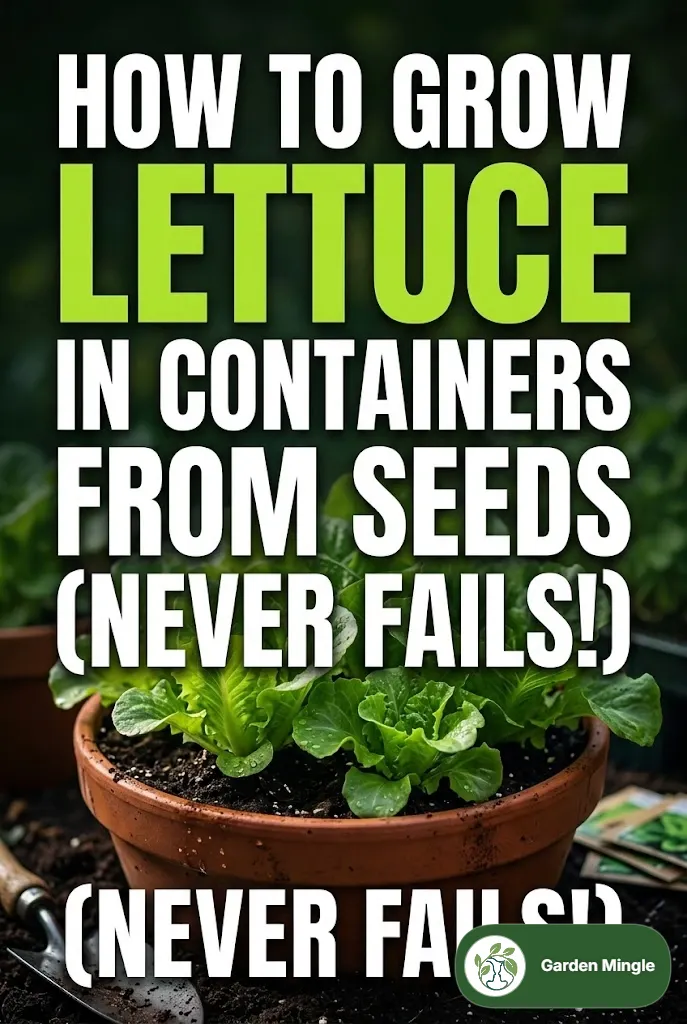
Growing lettuce in containers is a rewarding and accessible way to enjoy fresh greens right from your home. Whether you have a sprawling garden or just a small balcony, lettuce thrives beautifully in pots, making it a perfect option for urban gardeners. By starting from seeds, you not only save money but also get the chance to choose from a variety of lettuce types that may not be available in stores. Let’s dive into how you can successfully grow lettuce in containers from seeds, ensuring a bountiful harvest.
Quick Answer
To grow lettuce in containers from seeds, choose a suitable container, select quality seeds, use well-draining soil, and provide consistent moisture and sunlight. With proper care, you can enjoy fresh lettuce in just a few weeks!
Choosing the Right Container
The first step in your lettuce-growing journey is selecting the right container. Here are some tips:
- Size Matters: Choose containers that are at least 6-12 inches deep to allow for adequate root growth. A wide pot will also give your lettuce enough space to spread out.
- Material: Opt for materials like plastic, clay, or ceramic. Ensure the container has drainage holes to prevent waterlogging.
- Mobility: If you plan to move your containers around for optimal sunlight, consider lightweight options.
Choosing the Right Lettuce Seeds
Now that you have your containers, it’s time to pick your lettuce seeds. Here are some popular types:
- Romaine: Known for its crisp leaves and upright growth, perfect for salads.
- Butterhead: Soft and tender leaves with a sweet flavor.
- Looseleaf: Fast-growing and tolerant of heat, these varieties are ideal for continuous harvest.
When selecting seeds, look for varieties suited for container gardening, as they tend to be compact and manageable.
Preparing Your Soil
Lettuce thrives in nutrient-rich, well-draining soil. Here’s how to prepare the perfect mix:
- Use Potting Mix: A high-quality potting mix is essential. It’ll retain moisture while allowing excess water to drain.
- Enrich the Soil: Add organic compost or slow-release fertilizer to provide nutrients. A balanced fertilizer with nitrogen is ideal for leafy greens.
- Moisture Retention: Incorporate some vermiculite or perlite to improve aeration and moisture retention.
Sowing Lettuce Seeds
Now that you have your container and soil ready, it’s time to sow your seeds:
- Fill the Container: Add your prepared soil to the container, leaving about an inch of space from the top.
- Moisten the Soil: Before sowing, lightly moisten the soil to create a conducive environment for germination.
- Sow the Seeds: Scatter seeds evenly on the surface of the soil. You can cover them lightly with a thin layer of soil, but many lettuce varieties benefit from light exposure to germinate.
- Label Your Pots: If growing multiple varieties, label them to keep track of what’s what!
Watering and Care
Proper watering and care are crucial for healthy lettuce growth:
- Watering: Keep the soil consistently moist but not soggy. Water gently to avoid displacing seeds.
- Sunlight: Lettuce loves sunlight! Place your containers in a spot where they can receive 6-8 hours of sunlight daily. If temperatures rise, some afternoon shade can help.
- Thinning: Once seedlings reach about 2 inches tall, thin them out to allow for proper spacing—about 6-12 inches apart, depending on the variety.
Fertilizing Your Lettuce
To promote healthy growth, fertilizing is key. Here’s how to do it right:
- Frequency: Apply a liquid fertilizer every 2-3 weeks, particularly if you’re growing in nutrient-depleted soil.
- Type: Use a balanced fertilizer high in nitrogen to encourage leafy growth. Organic options like fish emulsion or seaweed extract are excellent choices.
Pest and Disease Management
Lettuce can face challenges from pests and diseases. Here are some preventative measures:
- Pests: Watch for aphids, slugs, and snails. You can use insecticidal soap or neem oil as a natural remedy.
- Diseases: Ensure good air circulation and avoid overhead watering to prevent fungal diseases. If noticed, remove affected leaves immediately.
Harvesting Your Lettuce
Harvesting lettuce can be one of the most satisfying moments:
- Timing: Leafy varieties can be harvested as soon as they reach a desirable size, usually around 4-6 weeks after sowing.
- Method: Use scissors to cut the outer leaves, allowing the inner leaves to continue growing. For heads of romaine or butterhead, wait until they form a tight head before harvesting.
Pinterest-Style Ideas for Container Gardening
For those seeking inspiration, consider these creative ideas for your container lettuce garden:
- Colorful Pots: Use vibrant, colorful pots to brighten your patio or balcony.
- Tiered Planters: Create a vertical garden with tiered planters to save space and maximize sunlight exposure.
- Herb Companion Planting: Grow herbs like basil or parsley alongside your lettuce for a fragrant and functional garden.
Expert Tips for Success
To ensure your container lettuce thrives, keep these expert tips in mind:
- Rotate Crops: If you’re planting multiple batches throughout the season, rotate locations to prevent soil depletion.
- Use Row Covers: Protect young seedlings from unexpected frost or pests with lightweight row covers.
- Continuous Planting: To have a steady supply of fresh lettuce, practice succession planting every couple of weeks.
Common Questions
Can I grow lettuce indoors?
Yes, lettuce can thrive indoors with adequate sunlight or grow lights. Ensure good ventilation and monitor moisture levels closely.
How long does it take for lettuce seeds to germinate?
Lettuce seeds typically germinate within 7-14 days, depending on temperature and moisture conditions.
What should I do if my lettuce bolts?
If your lettuce bolts (flowers), it’s best to harvest immediately, as the leaves will become bitter. To prevent bolting, keep your plants well-watered and provide some shade during hot weather.
Conclusion
Growing lettuce in containers from seeds is not only possible but incredibly rewarding. With the right container, soil, and care, you can enjoy fresh, crisp lettuce from your own home. So gather your supplies and start planting—your taste buds will thank you!
Leave a Reply