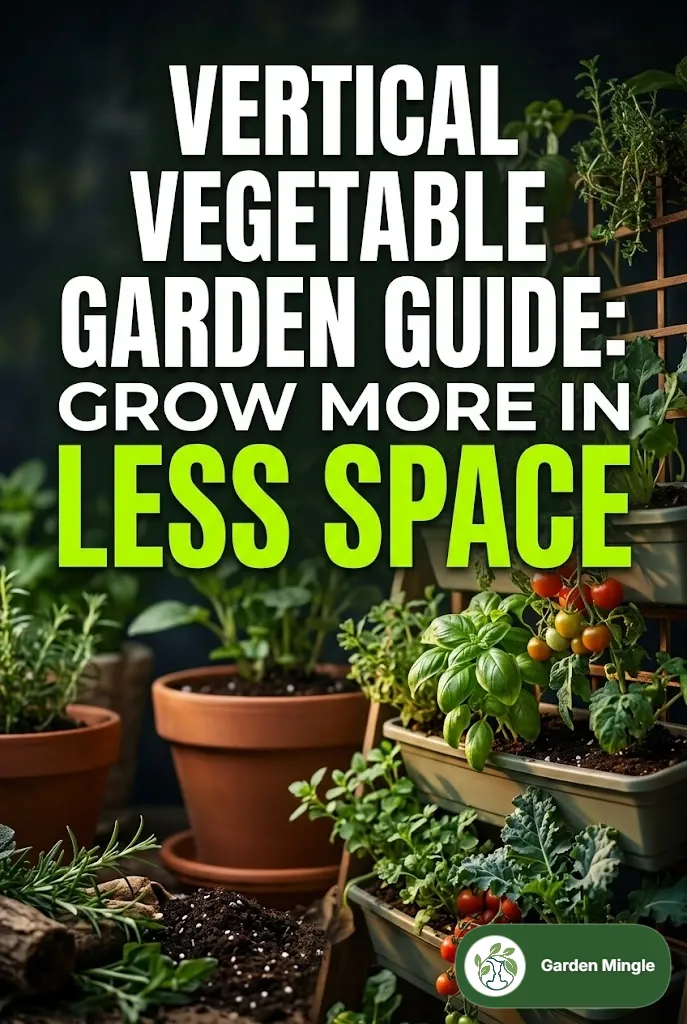

- Vertical Vegetable Garden Guide: Grow More in Less Space - July 27, 2026
- Vegetable Gardening for Beginners: 6 Facts Experts Won’t Tell You! - July 27, 2026
- 10 Vegetables That Grow Like Crazy in Pots (Beginners Can’t Fail!) - July 27, 2026
Share the post "Vertical Vegetable Garden Guide: Grow More in Less Space"
Have you ever dreamed of growing your own vegetables but felt limited by space? Whether you live in a tiny apartment or have a small backyard, vertical vegetable gardening could be your salvation. This innovative gardening method allows you to maximize your growing area, turning walls, fences, or even balconies into productive green spaces. Not only does vertical gardening save space, but it also adds a charming aesthetic to your surroundings. Let’s explore how you can grow more in less space with a vertical vegetable garden.
Quick Answer
A vertical vegetable garden allows you to grow plants upwards instead of outwards, making the most of limited space. By utilizing vertical structures like trellises, wall planters, or hanging pots, you can cultivate a variety of vegetables efficiently while enhancing your outdoor or indoor environment.
Understanding Vertical Gardening
Vertical gardening is a method of growing plants on vertical surfaces, which can include walls, fences, or specially designed structures. This technique not only optimizes space but also provides better air circulation and sunlight exposure, which can lead to healthier plants. Here are some key components to consider:
Benefits of Vertical Vegetable Gardens
- Space-Saving: Ideal for small areas, maximizing your growing potential.
- Better Drainage: Elevation helps prevent waterlogging.
- Pest Control: Reduces the risk of soil pests compromising your yield.
- Aesthetic Appeal: Adds visual interest to your space.
Getting Started with Vertical Vegetable Gardening
To set up your vertical vegetable garden, follow these essential steps:
1. Choose the Right Location
Identify a spot that receives at least 6-8 hours of sunlight daily. Consider access to water and ease of maintenance as well.
2. Select Your Plants
Not all vegetables thrive in vertical gardens. Choose plants that are suitable for climbing or trailing. Here are some great options:
- Tomatoes
- Cucumbers
- Green beans
- Peas
- Strawberries
- Lettuce (in pockets or wall planters)
3. Decide on Your Vertical Structure
There are various structures to choose from:
- Trellises: Perfect for climbing plants like beans and cucumbers.
- Vertical Planters: Wall-mounted units ideal for herbs and small veggies.
- Pallet Gardens: Repurpose wooden pallets for a rustic look.
- Hanging Pots: Use hooks or racks to suspend pots from ceilings or walls.
4. Prepare Your Soil
Use high-quality potting soil enriched with organic matter. This will ensure your plants have the nutrients they need to thrive.
5. Watering and Maintenance
Vertical gardens may require more frequent watering due to evaporation and drainage. Keep the soil consistently moist but not soggy. Regularly check for pests and diseases, pruning as necessary to maintain plant health.
Pinterest-Style Ideas for Your Vertical Garden
Here are some creative ideas to inspire your vertical vegetable garden:
- Hanging Shoe Organizer: Transform an old shoe organizer into a pocket garden for herbs and leafy greens.
- Repurposed Wooden Pallets: Use pallets to create a rustic vertical garden that can hold multiple plants.
- Gutter Gardens: Attach old gutters to a wall for a unique and functional planting system.
- Vertical PVC Planters: Cut PVC pipes into sections to create a tiered planting system for compact spaces.
- Decorative Wall Planters: Use decorative wall-mounted planters to add flair while growing your favorite veggies.
Expert Tips for a Thriving Vertical Vegetable Garden
Here are some insider tips to ensure your vertical garden flourishes:
- Choose the Right Varieties: Opt for dwarf or compact varieties that are more suitable for vertical growth.
- Rotate Your Crops: To maintain soil health, rotate your vegetables each season.
- Use Support Structures: For vining plants like tomatoes, provide sturdy support to prevent breakage.
- Mulch: Apply organic mulch to retain moisture and suppress weeds.
Common Questions About Vertical Vegetable Gardening
1. Can I grow all types of vegetables vertically?
Not all vegetables are suited for vertical gardening. Best choices are climbing or trailing plants like cucumbers, peas, and tomatoes.
2. How much sunlight do vertical gardens need?
Most vegetables require at least 6-8 hours of direct sunlight daily for optimal growth.
3. How do I water a vertical garden effectively?
Check the moisture level regularly and water when the top inch of soil feels dry. A drip irrigation system can also be very effective.
4. Can I use recycled materials for vertical gardening?
Absolutely! Recycled materials like pallets, gutters, and shoe organizers can work wonderfully for creating vertical gardens.
5. What are the best soil options for vertical gardens?
Use lightweight potting soil that is well-draining and enriched with organic matter for best results.
Conclusion
Vertical vegetable gardening is a fantastic way to make the most of limited space while enjoying the benefits of homegrown produce. With the right planning, suitable plant selections, and a bit of creativity, you can create a thriving garden that not only feeds your family but also beautifies your living area. So, grab your tools, pick your favorite vegetables, and start your vertical gardening journey today!
Leave a Reply