
- How to Build Raised Garden Beds: 7 Steps That Actually Work - July 28, 2026
- Monthly Garden Guide: Best Times to Plant Fruits & Vegetables - July 28, 2026
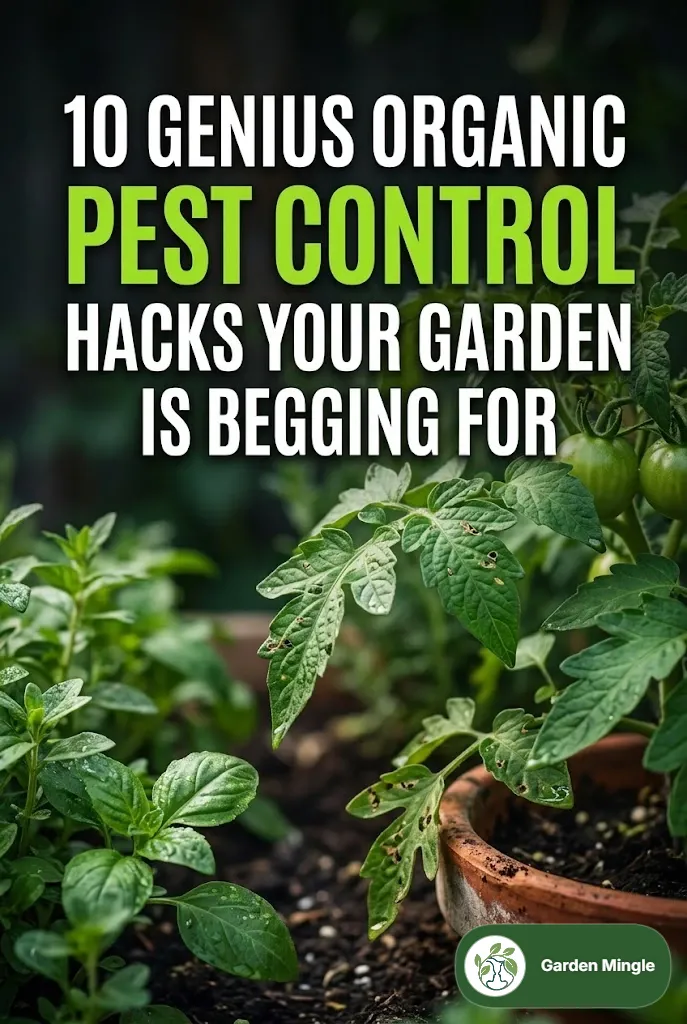
- 10 Genius Organic Pest Control Hacks Your Garden is Begging For - July 28, 2026
Share the post "10 Genius Organic Pest Control Hacks Your Garden is Begging For"
Every gardener knows the struggle of keeping pesky pests at bay. Chemical pesticides may seem like an easy fix, but they can harm beneficial insects, wildlife, and even your health. Fortunately, there are plenty of organic pest control hacks that are not only effective but also environmentally friendly. Whether you’re dealing with aphids, slugs, or caterpillars, these genius strategies will help you maintain a thriving garden without resorting to harmful chemicals. Let’s dive into these innovative ideas that your garden is truly begging for!
Quick Answer
To control pests organically, use natural remedies like neem oil, diatomaceous earth, and companion planting. These methods deter pests while promoting a healthy ecosystem in your garden.
1. Neem Oil: The Natural Insecticide
Neem oil is derived from the seeds of the neem tree and is a powerful tool against a variety of pests. It disrupts the life cycle of insects, preventing them from feeding and reproducing.
How to Use Neem Oil
- Mix 2 tablespoons of neem oil with a quart of water.
- Add a few drops of dish soap to help it emulsify.
- Spray it on affected plants every 7-14 days for best results.
2. Diatomaceous Earth: A Natural Barrier
Diatomaceous earth (DE) is made from fossilized algae and is safe for humans and pets. Its tiny, sharp particles are lethal to soft-bodied insects.
Applying Diatomaceous Earth
- Sprinkle DE around the base of plants or directly on affected areas.
- Reapply after rain or watering, as it loses effectiveness when wet.
3. Companion Planting: Nature's Defense System
Companion planting involves growing certain plants together to deter pests naturally. Some plants repel insects, while others attract beneficial ones.
Effective Combinations
- Marigolds: Repel nematodes and aphids.
- Basil: Deters flies and mosquitoes; pairs well with tomatoes.
- Nasturtiums: Attract aphids away from other plants.
4. Garlic Spray: The Pungent Deterrent
Garlic isn’t just great for cooking; it’s also an effective pest repellent. Its strong odor can deter a variety of insects.
Creating Garlic Spray
- Blend 2 bulbs of garlic with 2 cups of water and let it steep overnight.
- Strain and dilute the mixture with another quart of water.
- Spray on plants to keep pests at bay.
5. Essential Oils: Aromatic Pest Control
Essential oils like peppermint, rosemary, and lavender are not only aromatic but also effective against pests. They can repel insects while making your garden smell fantastic.
Using Essential Oils
- Mix 10-15 drops of essential oil with water in a spray bottle.
- Spray on affected plants as needed.
6. Beer Traps for Slugs and Snails
If slugs and snails are wreaking havoc in your garden, beer traps can be an amusing yet effective solution. The scent of the beer attracts them, leading to their downfall.
Setting Up Beer Traps
- Bury a small container up to its rim in the soil.
- Fill it with beer, and the slugs will be lured in and drown.
7. Soap and Water: The Simple Solution
A simple soap and water solution can effectively combat soft-bodied pests like aphids and spider mites. The soap suffocates these insects without harming your plants.
Making Soap Spray
- Mix 1-2 tablespoons of liquid soap (not detergent) in a quart of water.
- Spray directly on the pests, ensuring to coat them well.
8. Planting Herbs: Natural Pest Deterrents
Certain herbs can naturally deter pests while also enhancing the flavor of your garden. Herbs like dill, cilantro, and mint can keep unwanted visitors at bay.
Herbs to Consider
- Dill: Attracts beneficial insects like ladybugs.
- Cilantro: Repels aphids and spider mites.
- Mint: Keeps ants and aphids away.
9. Homemade Chili Pepper Spray
Chili pepper spray can effectively deter a variety of pests due to its spicy nature. Most insects dislike the heat, making it a great organic solution.
Creating Chili Pepper Spray
- Blend 2 tablespoons of chili powder with 2 cups of water.
- Let it steep overnight, strain, and dilute with more water.
- Spray on affected plants.
10. Traps and Barriers: Physical Defense
Sometimes, the best way to handle pests is by preventing them from reaching your plants in the first place. Using barriers and traps can keep your garden safe.
Effective Barriers
- Row Covers: Protect seedlings from pests while allowing sunlight and rain.
- Sticky Traps: Use yellow sticky traps to catch flying insects.
Expert Tips for Organic Pest Control
While these hacks can significantly reduce pest problems, here are a few insider tips to enhance your organic pest control strategy:
- Rotate your crops each season to disrupt pest life cycles.
- Encourage beneficial insects like ladybugs and lacewings by planting native flowers.
- Keep your garden clean and free of debris where pests can hide.
Common Questions
1. How often should I apply neem oil?
Apply neem oil every 7-14 days or as needed, particularly after rain.
2. Is diatomaceous earth safe for pets?
Yes, diatomaceous earth is generally safe for pets, but avoid inhaling the dust.
3. Can I use essential oils on all plants?
Test essential oils on a small area first, as some plants may be sensitive.
Conclusion
With these 10 genius organic pest control hacks, you can turn your garden into a thriving, pest-free haven. Incorporating natural methods not only protects your plants but also promotes a healthier ecosystem. Give these techniques a try, and watch your garden flourish while keeping those pesky pests at bay!
Leave a Reply