
- Propagating Succulent Leaves in Water: The Definitive Guide - August 16, 2026
- Succulent Pot Size Guide: 8 Things You Need To Know - August 16, 2026
- How to Prune a Succulent? (Complete Guide) - August 16, 2026
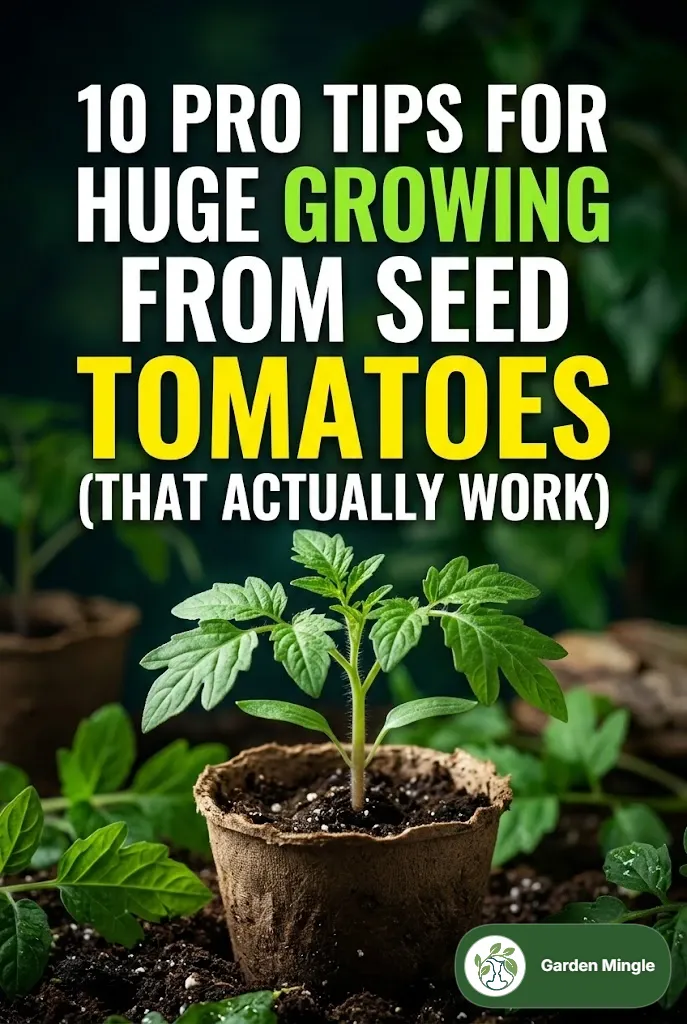
Share the post "10 Pro Tips for Growing Tomatoes from Seed (That Actually Work)"
Growing tomatoes from seed can be one of the most rewarding gardening experiences, especially when you see those vibrant fruits hanging from your plants. However, beginners often face challenges, from germination failures to leggy seedlings. With the right knowledge and techniques, you can cultivate healthy tomato plants that will yield a bountiful harvest. Here are ten pro tips that will help you successfully grow tomatoes from seed.
Quick Answer
To grow tomatoes from seed, start with high-quality seeds, use seed-starting soil, maintain optimal temperatures, provide adequate light, and water carefully. Transplant seedlings when they have a few sets of true leaves, and harden them off before planting outside.
1. Choose the Right Seeds
Not all tomato seeds are created equal. Select seeds that are suited for your climate and growing conditions. Consider heirloom varieties for unique flavors and colors, or hybrid varieties for disease resistance and reliability. Research the specific needs of each type to ensure they align with your gardening goals.
Pro Tip:
Look for seeds with good reviews from fellow gardeners. Local gardening clubs or farmer’s markets often have recommendations for the best varieties in your area.
2. Use Quality Seed-Starting Mix
The soil you use is crucial for successful germination. A seed-starting mix is lighter and more sterile than regular potting soil, promoting better drainage and reducing the risk of disease. Look for a mix that contains peat moss, vermiculite, or perlite for optimal moisture retention and aeration.
Common Mistake:
Avoid using garden soil, as it can harbor pests and diseases that may hinder your seedlings’ growth.
3. Maintain Optimal Germination Temperature
Tomato seeds germinate best at temperatures between 70°F and 80°F (21°C to 27°C). If your home is cooler, consider using a heat mat to maintain the ideal temperature. This extra warmth can significantly speed up the germination process.
Pro Tip:
Check the soil temperature with a thermometer to ensure you’re providing the right conditions for your seeds.
4. Provide Adequate Light
Once your seeds sprout, they will need plenty of light to grow strong and healthy. If you’re growing indoors, a south-facing window may not provide enough light, especially in early spring. Consider using grow lights that offer full-spectrum lighting to mimic natural sunlight.
Expert Tip:
Position your grow lights about 2-4 inches above the seedlings and raise them as the plants grow. Aim for 12-16 hours of light each day for the best results.
5. Water Carefully
Watering is critical for tomato seedlings. Keep the soil consistently moist but not soggy. Overwatering can lead to damping off, a fungal disease that can kill your seedlings. Use a spray bottle or a watering can with a narrow spout to ensure gentle watering.
Pro Tip:
Check the moisture level by sticking your finger into the soil. If it feels dry an inch below the surface, it’s time to water.
6. Thin Your Seedlings
Once your seedlings develop their first set of true leaves, it’s time to thin them out. This means removing the weaker seedlings to give the stronger ones more room and resources to grow. Aim to keep the most robust plant in each cell or pot.
Common Mistake:
Thinning can be tough, but it’s essential. Don’t be afraid to remove the weaker seedlings; it will lead to healthier plants overall.
7. Fertilize Wisely
Once your seedlings have a few sets of true leaves, start fertilizing them with a diluted, balanced fertilizer. Look for one that contains equal parts nitrogen, phosphorus, and potassium (N-P-K). This will provide the nutrients needed for healthy growth without overwhelming the young plants.
Expert Tip:
Fertilize every two weeks, but always follow the package instructions to avoid burning your seedlings.
8. Transplant at the Right Time
Transplant your tomato seedlings outdoors when they are about 6-8 inches tall and have at least two sets of true leaves. Ensure that all danger of frost has passed, as tomatoes are sensitive to cold. If you’re starting them indoors, this usually means hardening them off first.
Pro Tip:
Hardening off involves gradually exposing your seedlings to outdoor conditions over a week to prevent shock. Start by placing them outside in a shaded area for a few hours each day, gradually increasing their time outdoors.
9. Choose the Right Planting Location
Tomatoes love the sun! Find a location in your garden that receives at least 6-8 hours of direct sunlight each day. Additionally, ensure the soil is well-draining and enriched with organic matter, such as compost, to give your plants a nutrient boost.
Common Mistake:
Avoid planting tomatoes in the same spot year after year, as this can lead to soil depletion and increase the risk of diseases.
10. Support Your Plants
As your tomato plants grow, they will need support to keep their fruit off the ground and reduce the risk of rot. Use cages, stakes, or trellises to help them grow upright. This not only keeps your plants healthy but also makes harvesting much easier.
Expert Tip:
Install support systems early in the growing season to avoid damaging the roots later on.
Common Questions
- How long does it take for tomato seeds to germinate? Tomato seeds typically germinate within 5 to 14 days, depending on the variety and conditions.
- Should I soak tomato seeds before planting? Soaking seeds for a few hours can help speed up germination, but it’s not necessary.
- Can I grow tomatoes indoors? Yes, tomatoes can be grown indoors with adequate light and proper care.
- What is the best time to plant tomatoes? Plant tomatoes outdoors after the last frost date, usually in late spring or early summer, depending on your location.
- Do I need to prune my tomato plants? Pruning can help increase airflow and sunlight exposure, leading to healthier plants. Focus on removing suckers that grow in the joint of the stem and branches.
Conclusion
Growing tomatoes from seed is a fulfilling journey that can lead to delicious rewards. By following these pro tips, you can ensure your seedlings are healthy, robust, and ready to produce a bountiful harvest. Remember, every gardener faces challenges, but with patience and practice, you’ll be on your way to enjoying homegrown tomatoes in no time!
Leave a Reply