
- Propagating Succulent Leaves in Water: The Definitive Guide - August 16, 2026
- Succulent Pot Size Guide: 8 Things You Need To Know - August 16, 2026
- How to Prune a Succulent? (Complete Guide) - August 16, 2026
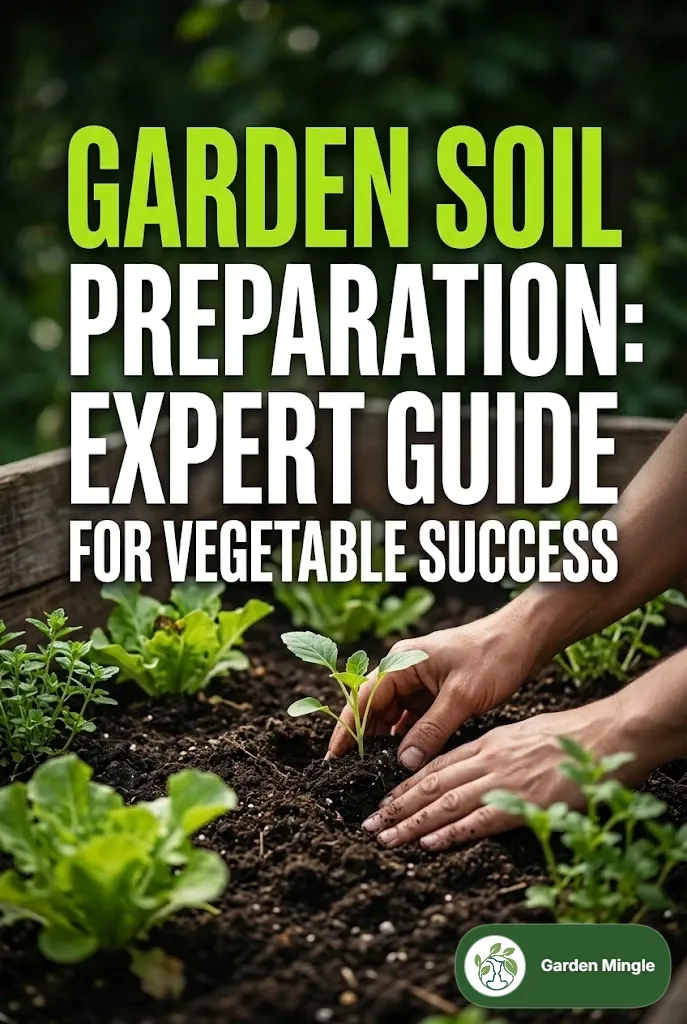
Share the post "Garden Soil Preparation: Expert Guide for Vegetable Success"
Preparing your garden soil is the cornerstone of a thriving vegetable garden. Many new gardeners underestimate the importance of high-quality soil, thinking it’s just dirt. However, the truth is that soil is a living system that needs the right nutrients, structure, and pH balance to support healthy plant growth. Let’s delve into the expert insights and practical steps you need to take for effective garden soil preparation, setting the stage for a bountiful harvest.
Quick Answer
To prepare garden soil for vegetables, start by testing the soil pH and nutrient levels. Amend with organic matter, such as compost or well-rotted manure, and ensure proper drainage. Tilling the soil and removing weeds will also enhance plant growth, leading to a successful vegetable garden.
Understanding Your Soil
Before you start digging, it’s essential to understand the type of soil you have. Soil is generally categorized into three types: sandy, clay, and loamy. Each type has unique characteristics that affect water retention, aeration, and nutrient availability.
Soil Types
- Sandy Soil: Drains quickly but lacks nutrients. It heats up fast in spring.
- Clay Soil: Retains water well but can become compacted. It’s nutrient-rich but may be difficult to work with.
- Loamy Soil: A balanced mix of sand, silt, and clay. This is ideal for vegetable gardening due to its excellent drainage and nutrient retention.
Testing Your Soil
Before making any amendments, test your soil to determine its pH and nutrient content. Soil testing kits are available at garden centers or online, and many local extension services offer testing for a small fee. The optimal pH for most vegetables ranges from 6.0 to 7.0.
Steps to Test Soil
- Collect samples from various spots in your garden.
- Mix the samples and let them dry.
- Follow the instructions on your testing kit to determine pH and nutrient levels.
Amending Your Soil
Once you have a clear understanding of your soil’s composition, it’s time to amend it. Improving soil structure and fertility can significantly impact your vegetable garden’s success.
Organic Matter
Adding organic matter is one of the best ways to enhance soil quality. Compost, well-rotted manure, or leaf mold can improve soil structure, drainage, and nutrient availability.
- Compost: Enriches the soil with nutrients and beneficial microorganisms.
- Well-rotted Manure: Adds nitrogen and improves soil texture. Ensure it’s aged to avoid burning plants.
- Leaf Mold: Improves moisture retention and provides a habitat for beneficial insects.
Mineral Amendments
Mineral amendments can help adjust pH levels and provide essential nutrients:
- Lime: Raises soil pH if it’s too acidic.
- Sulfur: Lowers soil pH if it’s too alkaline.
- Bone Meal: Adds phosphorus for root development.
- Greensand: Provides trace minerals and improves soil structure.
Tilling and Aeration
After adding amendments, it’s time to till your soil. Tilling helps mix the organic matter into the soil, aerating it and breaking up compacted areas.
How to Till Your Soil
- Use a garden fork or tiller to break up the top 10-12 inches of soil.
- Mix in the organic amendments thoroughly.
- Avoid over-tilling, as this can disrupt soil structure and beneficial organisms.
Weed Control
Weeds compete with your vegetables for nutrients and water. Before planting, it’s vital to control them effectively.
Weed Management Techniques
- Hand Pulling: Effective for small gardens and limited weed growth.
- Mulching: Apply a layer of organic material to suppress weeds and retain moisture.
- Organic Herbicides: Use vinegar or salt solutions for spot treatments.
Creating a Planting Plan
After preparing your soil, it’s essential to plan where you will plant each vegetable. Consider crop rotation and companion planting to maximize yield and reduce pest issues.
Crop Rotation
Rotate crops yearly to prevent soil depletion and reduce disease. Group plants into families and avoid planting the same family in the same spot for at least three years.
Companion Planting
- Tomatoes and Basil: Basil can enhance the flavor of tomatoes and deter pests.
- Carrots and Onions: Each repels the other’s pests, ensuring healthier growth.
- Beans and Corn: Beans fix nitrogen in the soil, benefiting corn’s growth.
Expert Tips for Vegetable Success
Here are some insider tips to ensure your vegetable garden thrives:
- Consider planting a cover crop during the off-season to improve soil health.
- Regularly check your soil moisture and adjust watering practices as needed.
- Keep a garden journal to track what works and what doesn’t for future planting seasons.
Common Questions
How often should I amend my garden soil?
It’s recommended to amend your soil every year, especially before planting new crops. Regular testing will help you know what your soil needs.
Can I prepare my soil in advance?
Yes, preparing your soil several weeks before planting can help improve its structure and nutrient levels.
What is the best way to improve drainage in heavy clay soil?
Incorporating organic matter like compost or peat moss can significantly improve drainage in clay soils.
Conclusion
By taking the time to prepare your garden soil properly, you set the foundation for a successful vegetable garden. Remember, healthy soil leads to healthy plants and a bountiful harvest. So roll up your sleeves, get your hands dirty, and enjoy the rewarding journey of gardening!
Leave a Reply