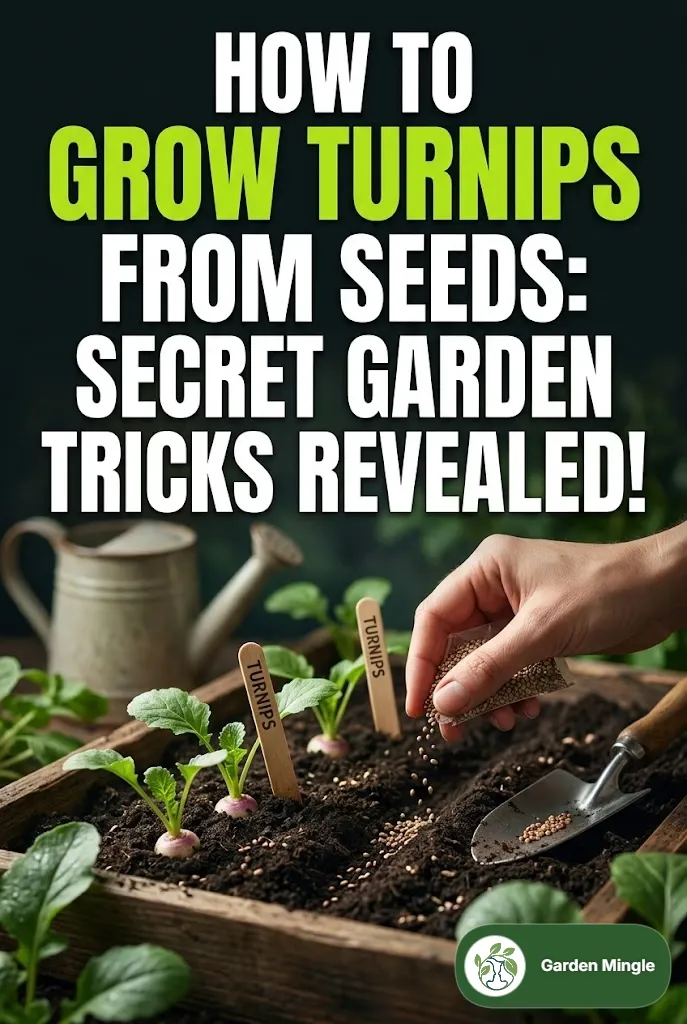

Share the post "How to Grow Turnips from Seeds: Secret Garden Tricks Revealed!"
Growing turnips from seeds can be a rewarding experience, especially when you see those vibrant roots emerge from the soil. If you’re feeling a bit intimidated or unsure about how to get started, you’re not alone. Many gardeners find turnips to be a lesser-known treasure in the vegetable kingdom, often overlooked in favor of more popular crops. However, with the right techniques and a sprinkle of gardening magic, you can cultivate a robust turnip harvest. Let’s delve into the secrets of growing turnips from seeds!
Quick Answer
To grow turnips from seeds, plant them in well-drained soil with a pH of 6.0 to 7.0, spaced about 2-4 inches apart. Keep the soil consistently moist and provide them with full sunlight. Turnips thrive in cooler weather, making early spring or fall the ideal planting times.
Understanding Turnips
Turnips are root vegetables that belong to the Brassica family, which includes mustard and cabbage. They are not only delicious but also packed with nutrients, making them a fantastic addition to your diet. Here’s what you need to know before you get started:
- Varieties: Common types include the Purple Top White Globe and the Tokyo Cross.
- Growing Conditions: Turnips prefer cooler temperatures, thriving in USDA zones 2-9.
- Uses: They can be eaten raw, roasted, or mashed, and their greens are equally edible.
Preparing Your Garden Bed
Before you plant your seeds, take some time to prepare the garden bed. Here are the essential steps:
1. Choose the Right Location
Turnips need full sun for at least 6 hours a day. Look for a spot in your garden that receives ample sunlight and has good air circulation to prevent disease.
2. Soil Preparation
Turnips prefer loamy, well-drained soil rich in organic matter. Follow these steps:
- Test your soil pH; aim for a pH of 6.0 to 7.0.
- Add organic compost or well-rotted manure to enrich the soil.
- Till the soil to a depth of at least 12 inches to ensure good root growth.
3. Fertilization
Incorporate a balanced fertilizer into the soil before planting. An N-P-K ratio of 10-10-10 works well. Be careful not to over-fertilize, as this can lead to excessive leaf growth at the expense of root development.
Planting Turnip Seeds
Now that your garden bed is prepared, it’s time to plant your turnip seeds. Follow these steps for successful planting:
1. Timing
Turnips can be planted in early spring or late summer for a fall harvest. Aim for a planting date about 2-4 weeks before the last frost date in spring or 6-8 weeks before the first frost in fall.
2. Seed Spacing
Plant seeds about ½ inch deep and space them 2-4 inches apart in rows that are 12-18 inches apart. This spacing allows ample room for the roots to develop without crowding.
3. Watering
After planting, water the seeds well to ensure good soil contact. Keep the soil consistently moist but not waterlogged. Use a gentle spray to avoid disturbing the seeds.
Care and Maintenance
As your turnips grow, they will require some care to thrive. Here’s what you should do:
1. Thinning
Once seedlings are about 2 inches tall, thin them to ensure adequate spacing. Keep the strongest plants and remove the weaker ones, leaving about 3-4 inches between each seedling.
2. Watering Routine
Maintain a consistent watering schedule. Turnips need about 1 inch of water per week, especially during dry spells. Water at the base of the plants to minimize disease risk.
3. Weeding
Keep the area around your turnips weed-free to reduce competition for nutrients and water. Hand-pulling weeds is often the best method to avoid disturbing the turnip roots.
Harvesting Turnips
Knowing when to harvest your turnips is crucial for optimal flavor and texture. Here’s how to tell when they’re ready:
1. Timing
Turnips are typically ready to harvest 30-60 days after planting, depending on the variety. Harvest when the roots are about 2-3 inches in diameter for the best taste.
2. Harvesting Technique
Use a garden fork to gently lift the turnips from the soil. Be careful not to damage the roots during this process. Shake off excess soil and store them in a cool, dark place.
Pinterest-Style Ideas for Turnip Inspiration
- Colorful Turnip Salad: Combine raw turnips with colorful veggies for a vibrant salad.
- Turnip Mash: Blend boiled turnips with garlic and butter for a creamy side dish.
- Pickled Turnips: Create a tangy snack by pickling sliced turnips in vinegar and spices.
Expert Tips for Growing Turnips
Here are some insider tips to ensure your turnip-growing journey is a success:
- Rotate Crops: Practice crop rotation to prevent pest and disease buildup.
- Companion Planting: Plant turnips alongside members of the allium family, like onions and garlic, to deter pests.
- Use Row Covers: Protect young seedlings with row covers to keep them safe from pests and harsh weather.
Common Questions (FAQ)
1. What pests should I watch for when growing turnips?
Common pests include aphids and root maggots. Regularly inspect your plants and consider using insecticidal soap if necessary.
2. Can I grow turnips in containers?
Yes! Choose a container that is at least 12 inches deep and ensure good drainage for successful growth.
3. What should I do if my turnips are not growing well?
Check for soil compaction, inadequate watering, or nutrient deficiencies. Adjust your care routine accordingly.
Conclusion
With these tips and tricks, you’re well on your way to growing delicious turnips right in your backyard. Remember, gardening is all about experimentation and patience. Don’t hesitate to try different varieties or methods until you find what works best for you. Happy gardening!
Leave a Reply