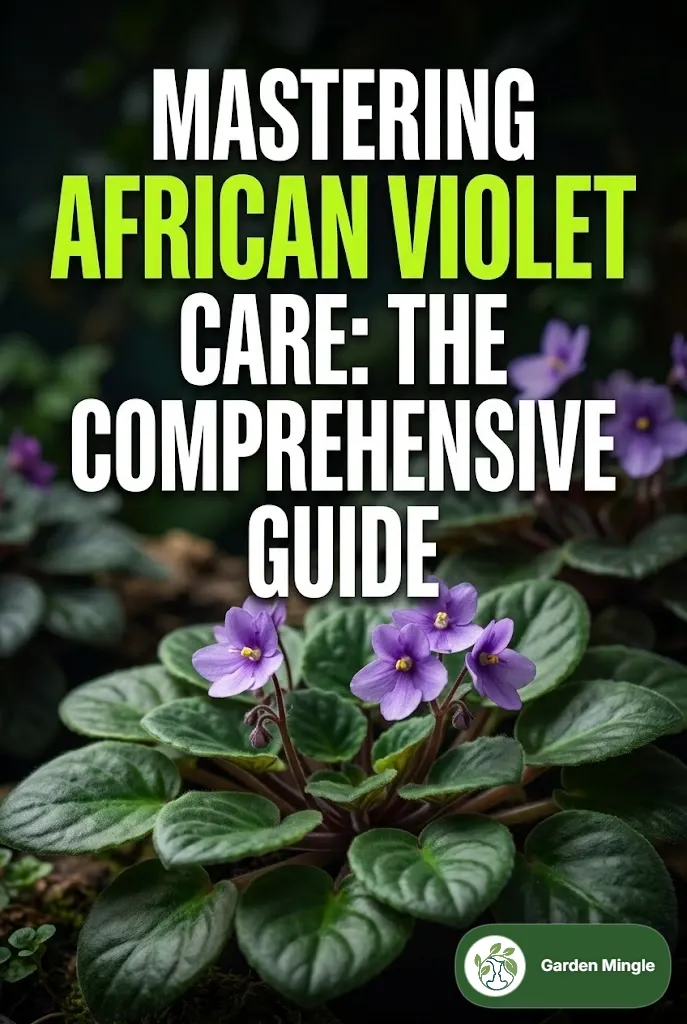

- Mastering African Violet Care: The Comprehensive Guide - July 9, 2026
- Mastering Plush Plant Care: Echeveria Pulvinata Care Guide - July 9, 2026
- The Ultimate Guide to Zebra Plant Care - July 9, 2026
African violets are more than just beautiful houseplants; they bring a touch of elegance and color to any space. However, many plant enthusiasts struggle with keeping these delicate beauties thriving. If you’ve ever found yourself puzzled over wilting leaves or lackluster blooms, you’re not alone. With the right knowledge and a few practical tips, you can master African violet care and enjoy their stunning flowers year-round.
Quick Answer
To care for African violets, provide them with indirect light, maintain a humidity level of 50-70%, water them from the bottom, and use a well-draining potting mix. Fertilize every 4-6 weeks during the growing season for best results.
Understanding African Violets
African violets (Saintpaulia) are native to the tropical regions of East Africa. These charming plants thrive in warm, humid environments, making them ideal for indoor cultivation. Their vibrant flowers come in various colors, and with proper care, they can bloom multiple times throughout the year.
Choosing the Right Pot and Soil
- Pot Selection: Use a small pot with drainage holes to prevent water from accumulating at the bottom. Terracotta pots are ideal as they allow for better air circulation.
- Soil Type: A well-draining potting mix is essential. Look for a mix specifically formulated for African violets, or create your own using equal parts peat moss, perlite, and vermiculite.
Light Requirements
Lighting is crucial for African violets. They prefer bright, indirect sunlight. Too much direct sun can scorch their leaves, while too little light can hinder flowering.
How to Provide the Right Light
- Place your African violets near east or north-facing windows.
- If using artificial light, opt for fluorescent bulbs placed 12-14 inches above the plants.
- Rotate your plants every few weeks to ensure even growth.
Watering Techniques
Correct watering is vital for African violets. Overwatering is a common mistake that can lead to root rot, while underwatering can cause the leaves to droop.
Best Practices for Watering
- Bottom Watering: This method allows the plant to absorb water through the bottom of the pot. Set the pot in a shallow dish of water for about 30 minutes.
- Water Quality: Use room-temperature water. Distilled or rainwater is preferable, as tap water may contain chemicals harmful to the plant.
- Frequency: Water when the top inch of soil feels dry. This usually translates to every 1-2 weeks, depending on your home environment.
Humidity and Temperature
African violets thrive in a humid environment. Maintaining the right humidity level can significantly impact their growth and flowering.
Creating the Right Environment
- Humidity Levels: Aim for 50-70% humidity. You can increase humidity by placing a tray of water with pebbles under the plant pot.
- Temperature: Keep the room temperature between 65-75°F (18-24°C) during the day, and slightly cooler at night.
Fertilizing African Violets
Proper fertilization is key to encouraging healthy growth and vibrant blooms. African violets benefit from a balanced fertilizer during their growing season.
Fertilization Tips
- Type of Fertilizer: Use a balanced 14-14-14 or a fertilizer specifically formulated for African violets.
- Application Frequency: Fertilize every 4-6 weeks during the growing season (spring and summer). Reduce feeding in the fall and winter.
- Dilution: Always dilute the fertilizer to half the recommended strength to avoid burning the roots.
Common Problems and Solutions
Even with the best care, African violets can encounter issues. Recognizing and addressing these problems promptly can ensure your plants remain healthy.
Identifying Issues
- Wilting Leaves: This could indicate either underwatering or overwatering. Check the soil moisture before making adjustments.
- Leaf Curling: Curling leaves may result from low humidity or exposure to cold drafts. Adjust the humidity and keep the plants away from drafty areas.
- Pests: Watch for common pests like aphids and spider mites. Use insecticidal soap or neem oil to treat infestations.
Pinterest-Style Ideas for African Violet Displays
- Color Combinations: Pair different colored African violets together for a stunning visual display.
- Tiered Plant Stands: Use tiered stands to create vertical interest and showcase your violets in style.
- Decorative Pots: Choose colorful or patterned pots that complement the vibrant blooms.
- Terrariums: Create a miniature garden using African violets in a glass terrarium for a unique touch.
Expert Tips for Thriving African Violets
- Repotting: Repot your African violets every 1-2 years to refresh the soil and give roots more space.
- Leaf Care: Gently wipe leaves with a damp cloth to remove dust and keep them healthy.
- Propagation: Propagate by leaf cuttings for new plants. Use a clean, sharp knife to cut a healthy leaf and place it in water until roots develop.
Common Questions
How often should I water my African violets?
Water your African violets when the top inch of soil feels dry, usually every 1-2 weeks.
Can I use regular potting soil for African violets?
It’s best to use a well-draining potting mix designed specifically for African violets to prevent root rot.
Why are my African violet leaves turning yellow?
Yellow leaves can indicate overwatering, poor drainage, or nutrient deficiencies. Check your care routine and soil conditions.
How can I encourage more blooms?
Ensure they receive adequate light, humidity, and fertilization during the growing season to promote blooming.
Conclusion
Mastering African violet care can be a rewarding journey filled with vibrant blooms and lush foliage. By following these guidelines and paying attention to your plants’ needs, you’ll create an environment where your African violets can thrive. With a little patience and love, you’ll be rewarded with a stunning display that brightens your home.
Leave a Reply