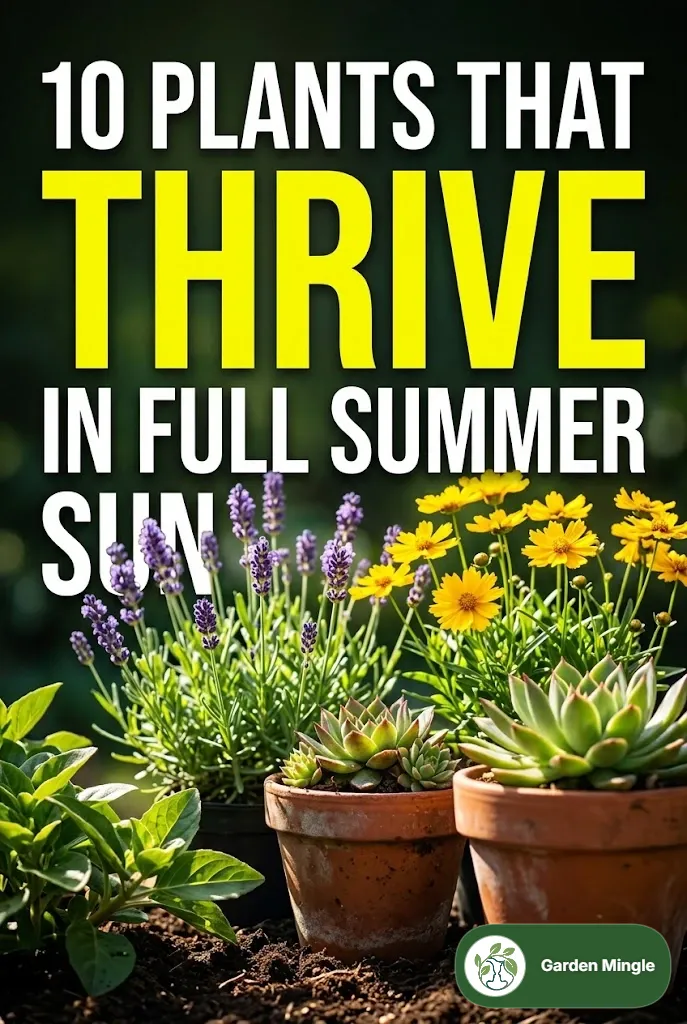

- 10 Plants That THRIVE in Full Summer Sun - June 27, 2026
- Summer Glow-Up! 10 Indoor Plants To Take Out - June 27, 2026
- Top 10 Hanging Plant DIYs That Look Expensive - June 27, 2026
Summer is a time when many gardens burst into life, and the sun shines bright, providing a perfect opportunity to grow vibrant plants. However, not all plants can withstand the intense heat and direct sunlight that summer brings. If you’re looking to fill your garden with resilient flora that thrives in full summer sun, you’ve come to the right place. Below are ten robust plants that will not only survive but flourish in the warm embrace of the sun.
Quick Answer
Here are ten plants that thrive in full summer sun: 1. Lavender, 2. Coneflower, 3. Sedum, 4. Black-eyed Susan, 5. Agastache, 6. Coreopsis, 7. Salvia, 8. Lantana, 9. Zinnia, and 10. Bee Balm. These plants not only tolerate heat but also add beauty to your landscape.
1. Lavender
Known for its aromatic scent and beautiful purple flowers, lavender is a hardy plant that loves the sun. It requires well-drained soil and thrives in dry conditions, making it perfect for hot summer gardens.
Care Tips:
- Water sparingly; once established, it requires little moisture.
- Prune after flowering to encourage new growth.
2. Coneflower
Coneflowers are native to North America and are renowned for their vibrant colors and resilience. These perennials attract pollinators, such as butterflies and bees, making them a great addition to any garden.
Care Tips:
- Plant in well-draining soil and full sun.
- Deadhead spent blooms to encourage more flowers.
3. Sedum
With its succulent-like leaves, sedum is a drought-tolerant plant that thrives in sunny spots. Its fleshy leaves store water, allowing it to survive in dry conditions while offering unique textures to your garden.
Care Tips:
- Prefers poor soil; avoid over-fertilizing.
- Water infrequently, especially during the summer heat.
4. Black-eyed Susan
These cheerful yellow flowers are a staple in summer gardens. Black-eyed Susans are not only heat-tolerant but also incredibly easy to grow, making them ideal for beginner gardeners.
Care Tips:
- Ensure they have plenty of sunlight and space to spread.
- Cut back in the fall to promote healthy growth the following year.
5. Agastache
Agastache, or hummingbird mint, is a colorful addition to any summer garden. It produces tall spikes of flowers that attract hummingbirds and butterflies, adding movement and life to your landscape.
Care Tips:
- Plant in well-drained soil and full sunlight.
- Trim back after blooming to encourage a second flush of flowers.
6. Coreopsis
Coreopsis, commonly known as tickseed, produces daisy-like flowers that bloom throughout the summer. They are hardy, low-maintenance, and tolerant of drought, making them perfect for sunny locations.
Care Tips:
- Deadhead regularly to promote continuous blooming.
- Grow in poor to average soil; they do not require excessive nutrients.
7. Salvia
Salvia is a versatile plant that comes in many varieties, offering vibrant flowers and aromatic foliage. It thrives in full sun and is known for attracting pollinators, making it a beneficial addition to any garden.
Care Tips:
- Water moderately; allow the soil to dry between watering.
- Cut back in late fall to maintain shape and promote healthy growth.
8. Lantana
Lantana is a tropical plant known for its clusters of bright, multi-colored flowers. This hardy perennial can withstand intense heat and drought, making it a favorite for sunny gardens.
Care Tips:
- Prefers well-drained soil and full sunlight.
- Prune regularly to encourage bushier growth and more blooms.
9. Zinnia
Zinnias are easy to grow and come in a variety of colors, making them a popular choice for gardeners looking to add a splash of color. These annuals thrive in sunny spots and are perfect for borders and containers.
Care Tips:
- Water deeply but infrequently to encourage deep roots.
- Deadhead to promote new blooms and prolong flowering season.
10. Bee Balm
Bee balm is not only beautiful but also attracts bees, butterflies, and hummingbirds. Its vibrant red, pink, or purple flowers bloom in mid to late summer, providing color when many other plants have faded.
Care Tips:
- Ensure good air circulation to prevent disease.
- Cut back the plant after flowering to maintain shape.
Expert Tips Section
Here are some insider tips to help your sun-loving plants thrive:
- Mulch: Apply a layer of mulch around your plants to retain moisture and suppress weeds.
- Group plants: Plant sun-loving species together to create a microclimate that can help them thrive.
- Water early: Watering in the early morning minimizes evaporation and allows plants to absorb moisture before the sun peaks.
Common Questions (FAQ)
What type of soil is best for sun-loving plants?
Most sun-loving plants prefer well-draining soil that is not too rich in nutrients. A sandy or loamy mix is often ideal.
How often should I water sun-loving plants?
Watering frequency can vary based on the plant type and climate, but generally, it’s best to water deeply and infrequently, allowing the soil to dry out between watering.
Can I grow sun-loving plants in pots?
Absolutely! Many sun-loving plants thrive in containers, just ensure the pots have drainage holes and are filled with quality potting mix.
Are sun-loving plants drought-tolerant?
Many sun-loving plants, like lavender and sedum, are drought-tolerant once established. However, young plants will need consistent moisture until their roots are developed.
Conclusion
Choosing the right plants for your sunny garden can make all the difference in creating a vibrant landscape. The ten plants mentioned above are not only hardy but also add beauty and diversity to your outdoor space. By incorporating these sun-loving plants into your garden, you can enjoy a flourishing environment all summer long. So, grab your gardening tools and start planting these sun-filled beauties!
Leave a Reply