
- Propagating Succulent Leaves in Water: The Definitive Guide - August 16, 2026
- Succulent Pot Size Guide: 8 Things You Need To Know - August 16, 2026
- How to Prune a Succulent? (Complete Guide) - August 16, 2026
Share the post "The 7 Indoor Sage Plant Warning Signs You’re Ignoring (Act Before Week 3)"
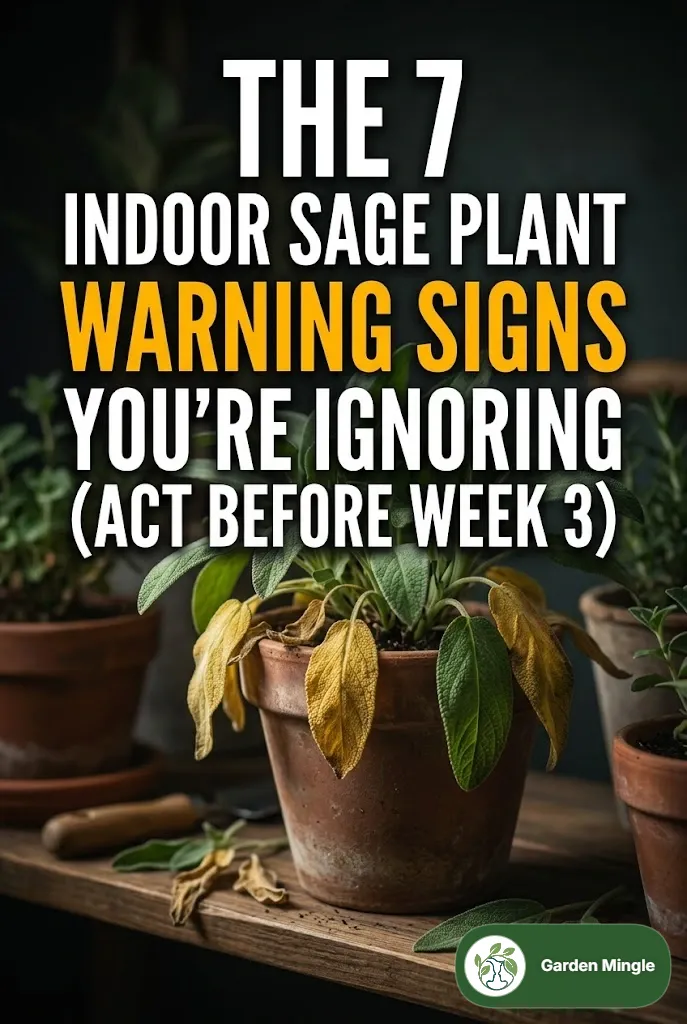
Indoor gardening can be a rewarding hobby, but it comes with its own set of challenges. Sage, with its aromatic leaves and culinary uses, is a popular choice among indoor gardeners. However, this herb also has specific needs and can show signs of distress when those needs aren’t met. Ignoring these warning signs can lead to a struggling plant, or worse, the loss of your beloved sage. Here’s what to look for in those crucial first three weeks.
Quick Answer
If you notice yellowing leaves, wilting, stunted growth, or pest infestations, it’s time to take action. These are key warning signs that your indoor sage plant needs immediate attention to thrive.
1. Yellowing Leaves
One of the most common signs that something is off with your sage plant is yellowing leaves. This can indicate various issues, including:
- Overwatering: Too much water can suffocate roots, leading to yellow leaves.
- Nutrient Deficiency: A lack of essential nutrients, particularly nitrogen, can cause leaves to turn yellow.
- Pests: Certain pests can affect the plant’s ability to photosynthesize, resulting in yellowing.
To remedy yellowing leaves, check the soil moisture and adjust your watering schedule. If nutrients are lacking, consider a balanced fertilizer specifically designed for herbs.
2. Wilting Leaves
Wilting is a clear sign that your sage plant is stressed. This can be caused by:
- Underwatering: If the soil is too dry, the plant won’t have enough moisture to thrive.
- Overwatering: Ironically, overwatering can also cause wilting by damaging root health.
To address wilting leaves, assess your watering routine. Stick your finger into the soil; if it feels dry an inch down, it’s time to water. Ensure your pot has good drainage to prevent waterlogging.
3. Stunted Growth
If your sage plant seems to be growing slower than expected, this may indicate a problem. Here are a few reasons for stunted growth:
- Insufficient Light: Sage requires bright but indirect sunlight. If it’s not getting enough light, growth will slow.
- Pot-bound Roots: If your sage has outgrown its pot, it may be root-bound, limiting its growth potential.
To encourage growth, ensure your sage is in a well-lit location and consider repotting if the roots are circling the bottom of the pot.
4. Leaf Drop
Leaves falling off your sage plant can be alarming. This can happen for several reasons:
- Environmental Stress: Sudden changes in temperature or humidity can cause leaf drop.
- Pest Infestation: Pests like aphids can cause leaves to drop due to stress on the plant.
If you notice leaf drop, evaluate the plant’s environment. Keep it away from drafts and ensure it’s in a stable location. Check for pests and treat them promptly.
5. Brown Edges or Tips
Browning edges or tips of leaves can be a sign of several issues:
- Low Humidity: Sage prefers moderate humidity levels; low humidity can lead to browning.
- Fertilizer Burn: Over-fertilizing can cause nutrient burns, leading to brown tips.
To fix this, consider using a humidity tray or a humidifier if your home is particularly dry. If you suspect fertilizer burn, flush the soil with water to wash away excess nutrients.
6. Pest Infestations
Check your sage plant regularly for signs of pests. Common pests that may invade include:
- Aphids: These tiny insects can cluster on leaves and stems, sucking sap from the plant.
- Spider Mites: These pests thrive in dry conditions and can cause webbing on the leaves.
If you discover pests, act quickly. You can wash them off with water or use insecticidal soap. Regularly inspect your plant to catch infestations early.
7. Foul Odors
If you notice a musty or foul smell emanating from your sage plant, it’s a red flag. This could indicate:
- Root Rot: Often caused by overwatering, this condition can lead to a rotten smell.
- Decaying Leaves: Dead or decaying leaves can produce unpleasant odors.
To address foul odors, check the roots. If you find rot, trim away affected roots and repot the plant in fresh, dry soil. Always ensure proper drainage to prevent future issues.
Expert Tips for Sage Care
- Regular Pruning: Trim your sage regularly to encourage bushier growth and prevent leggy plants.
- Rotate the Pot: Rotate your sage pot every few weeks to ensure even light exposure.
- Monitor Soil pH: Sage prefers slightly acidic to neutral soil. Check the pH levels and amend if necessary.
Common Questions
How often should I water my indoor sage plant?
Water when the top inch of soil feels dry. This usually means watering every 1-2 weeks, but check regularly.
Can I grow sage indoors year-round?
Yes, sage can be grown indoors year-round with proper care, including adequate light and humidity.
What type of soil is best for sage?
A well-draining potting mix with good organic matter is ideal. Consider adding perlite for extra drainage.
Conclusion
Being attentive to your indoor sage plant’s needs can lead to a thriving herb that enhances your kitchen and home. By recognizing these seven warning signs and taking prompt action, you’ll ensure your sage remains healthy and vibrant. Happy gardening!
Leave a Reply