
- Propagating Succulent Leaves in Water: The Definitive Guide - August 16, 2026
- Succulent Pot Size Guide: 8 Things You Need To Know - August 16, 2026
- How to Prune a Succulent? (Complete Guide) - August 16, 2026
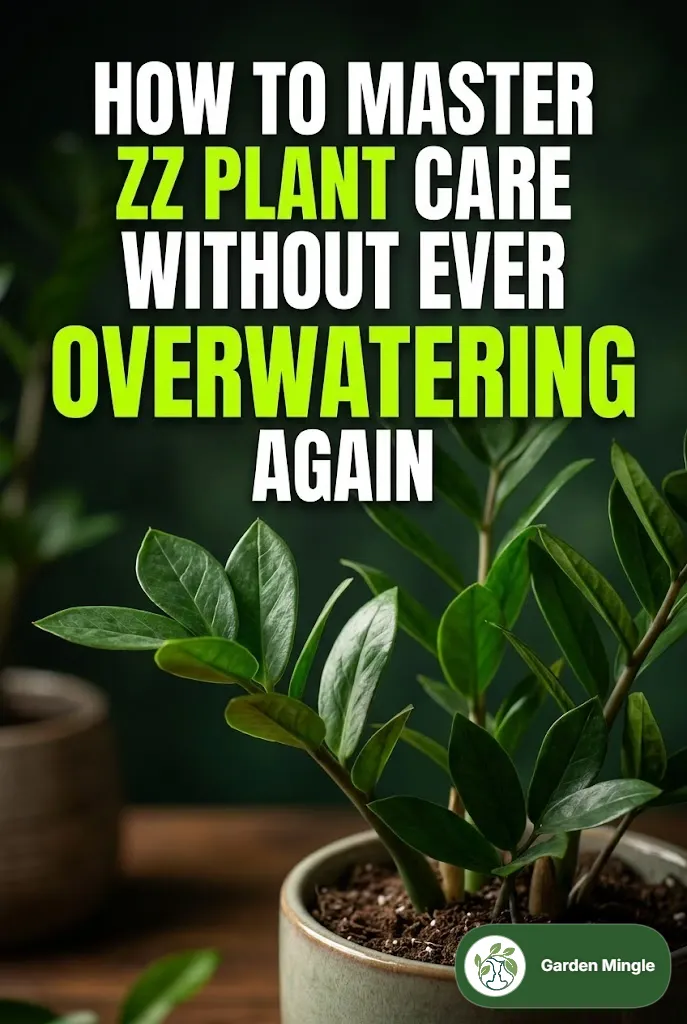
Share the post "How To Master ZZ Plant Care Without Ever Overwatering Again"
The ZZ plant, known for its glossy leaves and resilience, is a favorite among plant enthusiasts and beginners alike. However, the challenge of overwatering can often turn this delightful plant into a source of stress. If you’ve ever struggled to keep your ZZ plant thriving, you’re not alone. Mastering ZZ plant care doesn’t have to be complicated. With the right knowledge and techniques, you can ensure your ZZ plant flourishes without the fear of overwatering. Let’s dive into the essentials of ZZ plant care that will help you cultivate a healthy and vibrant plant.
Quick Answer
To master ZZ plant care and avoid overwatering, focus on providing well-draining soil, using pots with drainage holes, and following a consistent watering schedule based on the plant’s needs. Allow the soil to dry out between waterings for optimal health.
Understanding the ZZ Plant
The ZZ plant (Zamioculcas zamiifolia) is native to East Africa and is cherished for its ability to survive in low light and with minimal water. It has thick, waxy leaves that store moisture, making it an ideal choice for busy individuals or those new to houseplants. However, this hardy plant can be susceptible to root rot if overwatered, which is why understanding its watering needs is crucial.
Why Overwatering is a Common Mistake
Many plant owners mistakenly assume that more water means a healthier plant. However, ZZ plants prefer dry conditions. Overwatering can lead to:
- Root Rot: The roots begin to decay, leading to plant death.
- Yellowing Leaves: This is often a sign of too much moisture.
- Stunted Growth: Overwatered plants may stop growing altogether.
Essential Tips for Proper ZZ Plant Care
1. Choosing the Right Soil
The first step in preventing overwatering is selecting the appropriate soil. ZZ plants thrive in well-draining potting mixes. Consider using:
- Cactus Mix: Designed for plants that require good drainage.
- Perlite or Pumice: Adding these can improve aeration and drainage in your potting mix.
- DIY Mix: Combine regular potting soil with sand and perlite for a customized blend.
2. Selecting the Right Pot
Always choose a pot with drainage holes. This allows excess water to escape, preventing the roots from sitting in moisture. Consider these pot materials:
- Terracotta: Absorbs moisture and allows for evaporation.
- Plastic: Lightweight and retains moisture better, but ensure it has drainage holes.
3. Establishing a Watering Schedule
One of the most effective ways to avoid overwatering is to develop a consistent watering routine. Here’s how to do it:
- Check the Soil: Insert your finger about 2 inches into the soil. If it feels dry, it’s time to water.
- Frequency: Typically, watering every 2-3 weeks is sufficient, depending on your environment.
- Seasonal Adjustments: Reduce watering in the winter months when growth slows down.
4. Observing the Plant’s Needs
Pay attention to your ZZ plant’s signals. A healthy ZZ plant will have:
- Bright Green Leaves: Indicates it’s thriving.
- Firm Stems: Soft or mushy stems can be a sign of overwatering.
5. Fertilizing Wisely
While ZZ plants don’t need much fertilizer, a little can go a long way. Here’s how to fertilize:
- Frequency: Apply a balanced fertilizer once in spring and once in summer.
- Dilution: Always dilute the fertilizer to half strength to avoid burning the roots.
Pinterest-Style Ideas for ZZ Plant Care
- Decorative Potting: Use unique pots to enhance your home decor while providing proper drainage.
- Grouping Plants: Combine ZZ plants with other low-light houseplants for a stunning indoor display.
- DIY Watering Gauge: Create a simple soil moisture gauge with a skewer to monitor moisture levels easily.
- Seasonal Displays: Change the potting arrangement based on seasons to keep your space fresh and inviting.
Expert Tips for Thriving ZZ Plants
To take your ZZ plant care to the next level, consider these insider tips:
- Humidity Levels: ZZ plants prefer moderate humidity but can adapt to dry air. Consider using a pebble tray for added moisture.
- Repotting: Repot every 2-3 years to refresh the soil and allow for healthy root growth.
- Propagation: ZZ plants can be propagated through leaf cuttings or division, making them easy to multiply for your collection.
Common Questions about ZZ Plant Care
1. How often should I water my ZZ plant?
Water every 2-3 weeks, allowing the soil to dry out completely between waterings.
2. What should I do if my ZZ plant’s leaves turn yellow?
Yellow leaves often indicate overwatering. Check the soil moisture and adjust your watering schedule accordingly.
3. Can ZZ plants survive in low light?
Yes, ZZ plants thrive in low light, making them perfect for darker rooms or offices.
4. How do I know if my ZZ plant needs repotting?
If you notice roots growing out of the drainage holes or if the plant becomes top-heavy, it’s time to repot.
Conclusion
Mastering ZZ plant care is all about understanding its unique needs and creating the right environment for growth. By choosing the right soil and pot, establishing a consistent watering schedule, and observing the plant’s signals, you can cultivate a thriving ZZ plant without the worry of overwatering. Embrace the joy of caring for this resilient plant, and watch it flourish in your home!
Leave a Reply