
- Gorgeous Coastal: 10 Top Summer Plant Picks - June 26, 2026
- 10 Plants for Amazing Summer Squash Growth - June 26, 2026
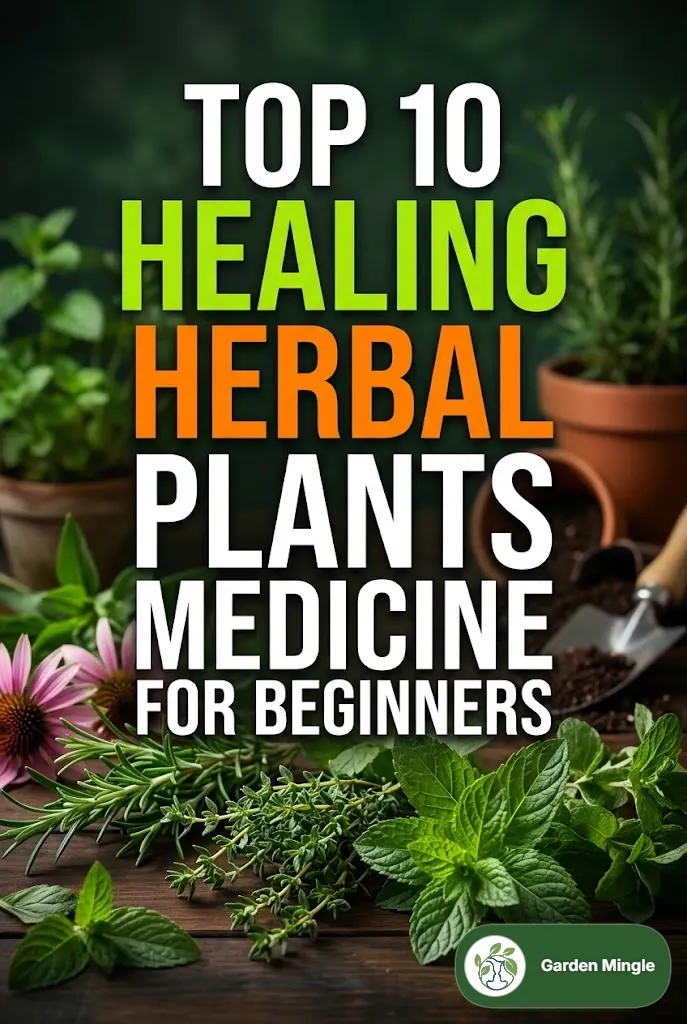
- Top 10 Healing Herbal Plants Medicine For Beginners - June 26, 2026
Have you ever walked through a garden and felt a sense of calm wash over you? Herbal plants not only beautify our spaces but also hold incredible healing properties. For those just beginning their journey into herbal medicine, it can feel overwhelming to choose which plants to start with. The good news is that many healing herbs are easy to grow and use. Here’s a collection of the top 10 healing herbal plants that are perfect for beginners, along with tips on how to cultivate and utilize them.
Quick Answer
The top 10 healing herbal plants for beginners include chamomile, peppermint, lavender, basil, rosemary, echinacea, lemon balm, sage, thyme, and calendula. Each offers unique medicinal benefits and is easy to grow in home gardens or pots.
1. Chamomile
Chamomile is a beloved herb known for its calming effects. This daisy-like flower can help alleviate stress and promote restful sleep.
Growing Tips
- Plant chamomile in well-drained soil with full sun exposure.
- Water regularly but avoid over-watering.
Uses
Chamomile can be brewed as a tea to soothe anxiety and digestive issues. Simply steep dried flowers in hot water for 5-10 minutes.
2. Peppermint
Peppermint is not only refreshing but also a powerful digestive aid. This herb can help relieve headaches, nausea, and digestive discomfort.
Growing Tips
- Peppermint thrives in partial shade and moist, rich soil.
- Consider planting it in a pot to prevent it from spreading uncontrollably.
Uses
Use fresh leaves to make tea or add them to water for a refreshing drink. It can also be applied topically for headaches when diluted with a carrier oil.
3. Lavender
With its beautiful purple flowers and calming scent, lavender is a must-have in any herb garden. It’s known for its ability to reduce anxiety and improve sleep quality.
Growing Tips
- Plant lavender in well-draining soil with full sun.
- Water sparingly, as lavender prefers drier conditions.
Uses
Lavender can be used in sachets, essential oils, or as a calming tea. It’s also great for skin care, helping to soothe minor burns and irritations.
4. Basil
Basil is more than just a culinary herb; it also has medicinal properties. It can help with digestion and has anti-inflammatory benefits.
Growing Tips
- Grow basil in rich soil with plenty of sunlight.
- Keep the soil moist but not soggy.
Uses
Add fresh basil to salads or soups, or brew a tea with its leaves for digestive relief.
5. Rosemary
Rosemary is a fragrant herb that can enhance memory and concentration. It’s also known to have antioxidant and anti-inflammatory properties.
Growing Tips
- Plant rosemary in well-drained soil with full sun.
- Allow the soil to dry out between watering.
Uses
Use rosemary in cooking or make a tea to help improve focus. It can also be used in hair rinses for promoting scalp health.
6. Echinacea
Echinacea is a powerful immune booster, often used to prevent or treat colds and infections. Its stunning flowers are a bonus in any garden.
Growing Tips
- Plant echinacea in well-drained soil in full sun.
- It is drought-resistant, making it easy to care for.
Uses
Use echinacea as a tea or in tinctures to enhance your immune response.
7. Lemon Balm
Lemon balm is a soothing herb that can help reduce stress and improve sleep quality. Its lemony scent is refreshing and uplifting.
Growing Tips
- Grow lemon balm in partial shade with moist soil.
- Regularly trim to encourage bushy growth.
Uses
Use lemon balm in teas or as a flavoring for desserts. It can also be used in essential oil form for relaxation.
8. Sage
Sage is a versatile herb known for its anti-inflammatory and antioxidant properties. It’s often used in cooking but has medicinal uses as well.
Growing Tips
- Plant sage in well-drained soil with full sun.
- Water sparingly to avoid root rot.
Uses
Sage can be brewed as a tea to soothe sore throats and digestive issues or used in cooking for flavor.
9. Thyme
Thyme is a culinary staple that also offers antibacterial and antifungal properties. It’s excellent for respiratory health.
Growing Tips
- Thyme prefers well-drained soil and full sun.
- Allow the soil to dry between waterings.
Uses
Use thyme in cooking or brew it as a tea to help relieve coughs and respiratory ailments.
10. Calendula
Calendula, or pot marigold, is known for its anti-inflammatory and healing properties. It’s often used in creams and salves for skin issues.
Growing Tips
- Grow calendula in full sun with well-drained soil.
- Remove dead flowers to encourage new growth.
Uses
Use calendula petals in teas, or infuse them in oils for topical applications on minor wounds and skin irritations.
Expert Tips
Here are some insider tips to help you succeed with your herbal garden:
- Start with a few pots or a small garden bed to avoid feeling overwhelmed.
- Keep a journal to track your plants’ growth, uses, and any remedies you create.
- Learn about companion planting to enhance growth and deter pests.
Common Questions (FAQ)
1. How do I know which herbs to plant?
Choose herbs based on your personal health needs, cooking preferences, and growing conditions in your area.
2. Can I use fresh herbs in cooking?
Absolutely! Fresh herbs can enhance the flavor of your dishes and provide health benefits.
3. How do I dry herbs for storage?
Hang herbs upside down in a dark, dry place or use a dehydrator for quick drying.
4. Are there any safety concerns with herbal remedies?
Always consult with a healthcare professional before starting any new herbal regimen, especially if you are pregnant or on medication.
5. How can I incorporate herbs into my daily routine?
Experiment with herbal teas, add them to meals, or use them in natural remedies for common ailments.
Conclusion
Starting your herbal journey can be incredibly rewarding. By cultivating these top 10 healing herbal plants, you can improve your health, enhance your cooking, and enjoy the beauty they bring to your garden. Remember, each plant has its unique benefits, so explore and discover what works best for you.
Leave a Reply