
- Propagating Succulent Leaves in Water: The Definitive Guide - August 16, 2026
- Succulent Pot Size Guide: 8 Things You Need To Know - August 16, 2026
- How to Prune a Succulent? (Complete Guide) - August 16, 2026
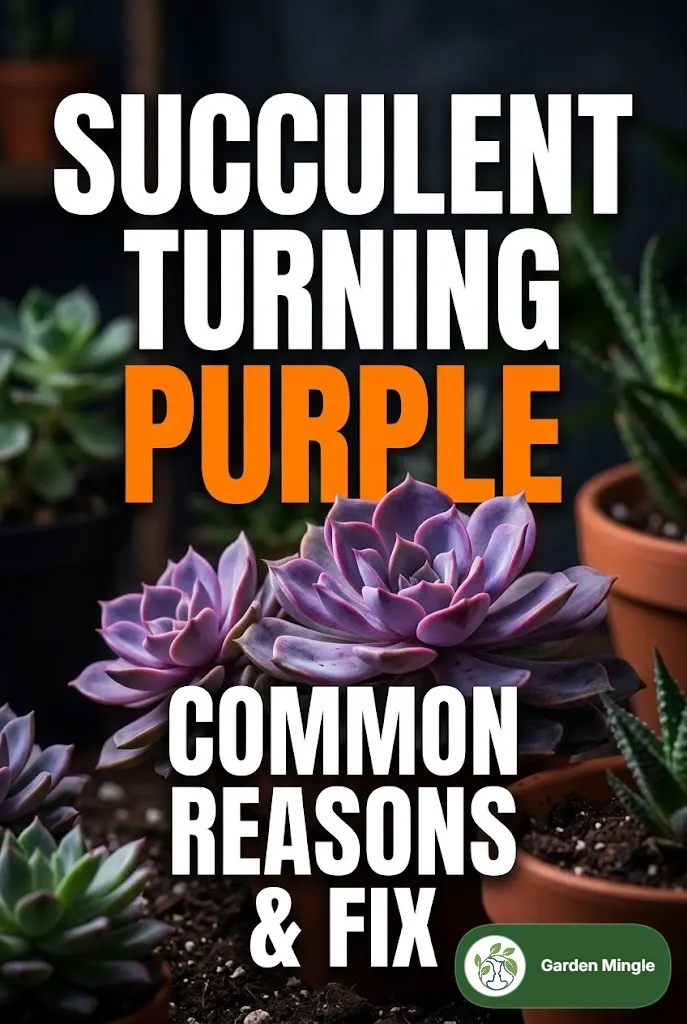
Have you noticed your succulent turning purple? This vibrant color change can be alarming for many plant enthusiasts, especially if you’re unsure why it’s happening. Succulents are beloved for their stunning shapes, unique textures, and low maintenance requirements. However, changes in coloration can indicate underlying issues that need attention. Understanding why your succulent is turning purple is essential for restoring its health and ensuring it thrives in your care. Let’s dive into the common reasons behind this phenomenon and explore effective solutions.
Quick Answer
A succulent turning purple is often a sign of stress due to environmental factors such as insufficient light, extreme temperatures, or improper watering. To remedy this, assess your succulent’s care conditions and make necessary adjustments.
Common Reasons for Succulent Turning Purple
1. Insufficient Light
One of the primary reasons succulents change color is inadequate sunlight. Succulents thrive in bright, indirect light. When they don’t receive enough light, they can become “stressed,” leading to a purple hue as a response.
- Symptoms: Stretched or elongated growth, pale leaves, and soft tissue.
- Solution: Move your succulent to a brighter location, ideally near a south or west-facing window. If indoors, consider using grow lights to supplement natural light.
2. Temperature Stress
Extreme temperatures can also contribute to a purple tint in succulents. Sudden temperature fluctuations, whether too hot or too cold, can shock the plant.
- Symptoms: Leaves turning purple or reddish, wilting, or dropping leaves.
- Solution: Keep your succulent in a stable environment. Most succulents prefer temperatures between 60°F and 80°F (15°C to 27°C). Avoid placing them near drafts or heating vents.
3. Watering Issues
Both overwatering and underwatering can cause your succulent to turn purple. Each succulent species has specific watering needs, and failing to adhere to them can lead to stress.
- Overwatering: Causes root rot, leading to a purple color change and mushy leaves.
- Underwatering: Results in dehydration and stress, causing the plant to display a purple hue.
Solution: Ensure you’re following a proper watering schedule. Check the soil moisture before watering; the top inch of soil should be dry before you add more water. Use well-draining soil to prevent water accumulation.
4. Nutrient Deficiencies
Succulents require certain nutrients to maintain their vibrant colors and overall health. A deficiency, particularly in phosphorus, can lead to purple leaves.
- Symptoms: Yellowing leaves, stunted growth, and purple discoloration.
- Solution: Use a balanced cactus fertilizer or one high in phosphorus during the growing season. Fertilizing once a month can help restore nutrient levels.
5. Pest Infestation
Sometimes, the presence of pests can lead to discoloration and overall stress in succulents. Common pests include mealybugs and aphids.
- Symptoms: Visible pests on the plant, sticky residue, or webbing.
- Solution: Inspect your succulent regularly. If pests are found, use a gentle insecticidal soap or neem oil to treat the infestation. Make sure to follow up with regular inspections to catch any new pests early.
Practical Steps to Restore Your Succulent's Color
If your succulent is showing signs of turning purple, here are some steps to rectify the situation:
- Assess Light Exposure: Evaluate whether your succulent is getting enough light. Adjust its position accordingly.
- Check Temperature: Ensure the plant is in a stable temperature environment, away from drafts or heaters.
- Review Watering Practices: Adjust your watering schedule based on the succulent’s needs. Always prefer to underwater rather than overwater.
- Fertilize Wisely: Use a nutrient-rich fertilizer during the growing season to combat deficiencies.
- Inspect for Pests: Regularly check for signs of pests and treat promptly if found.
Pinterest-Style Ideas for Succulent Care
To inspire your succulent journey, here are some creative ideas for caring for your plants:
- Color Contrast: Pair purple-hued succulents with green or blue plants for a stunning visual display.
- DIY Terrariums: Create a captivating terrarium featuring a variety of succulent colors to highlight their unique traits.
- Succulent Arrangements: Use different textures and colors to create eye-catching arrangements in decorative pots.
- Succulent Wall Art: Make a living wall by arranging succulents in a vertical planter to showcase their vibrant colors.
Expert Tips for Maintaining Healthy Succulents
Here are some insider tips to keep your succulents healthy and thriving:
- Rotate Regularly: Rotate your succulents every few weeks to ensure even light exposure on all sides.
- Use the Right Soil: Opt for cactus or succulent soil mix that provides excellent drainage.
- Consider Humidity: Succulents prefer low humidity; ensure good airflow around them.
- Repot When Necessary: If your succulent outgrows its pot, repot it in fresh soil to give it room to grow.
Common Questions
Why are my succulent leaves turning purple?
Leaves turning purple often indicate stress due to insufficient light, temperature extremes, or nutrient deficiencies.
Can overwatering cause my succulent to turn purple?
Yes, overwatering can lead to root rot, causing stress that may manifest as purple leaves.
How can I tell if my succulent is getting enough light?
If your succulent is leggy or elongated, it may not be getting enough light. Ideally, the leaves should be compact and firm.
What should I do if pests are affecting my succulent?
Inspect the plant for pests, and use insecticidal soap or neem oil to treat any infestations, ensuring to follow up with regular checks.
Conclusion
Understanding why your succulent is turning purple is the first step to restoring its health. By assessing its care conditions and making necessary adjustments, you can help your succulent return to its vibrant self. Remember, the joy of succulent gardening comes not just from their beauty but also from the learning experience as you nurture and grow these resilient plants. Happy gardening!
Leave a Reply