
- Propagating Succulent Leaves in Water: The Definitive Guide - August 16, 2026
- Succulent Pot Size Guide: 8 Things You Need To Know - August 16, 2026
- How to Prune a Succulent? (Complete Guide) - August 16, 2026
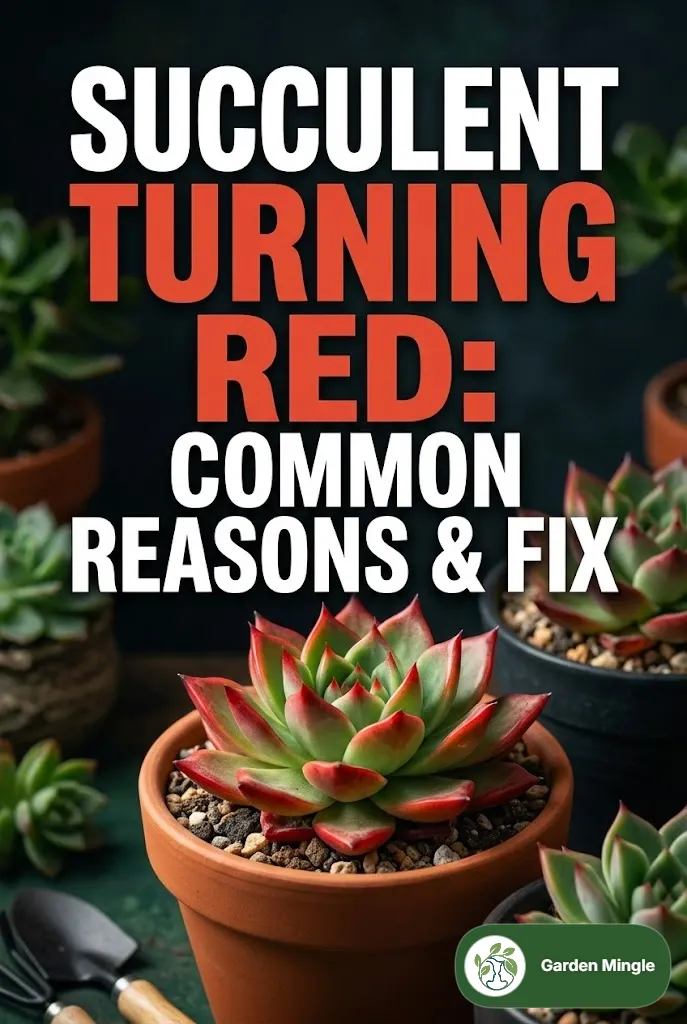
Have you noticed your succulent turning red, and now you’re wondering if it’s a sign of trouble? You’re not alone! Many succulent enthusiasts face this puzzling color change, and it can be alarming. While some may think it spells disaster, red hues can indicate various factors, from stress to seasonal changes. Understanding these reasons will help you take the right steps to restore your plant’s health and vibrancy.
Quick Answer
If your succulent is turning red, it may be experiencing stress from excess sunlight, temperature changes, or underwatering. In some cases, it could also be a natural response to seasonal shifts. Identifying the cause is key to providing the proper care and reversing the color change.
Understanding Why Succulents Turn Red
Succulents are resilient plants that adapt to their environment, but sometimes they react to stressors by changing color. Let’s explore the common reasons behind this phenomenon.
1. Sunlight Exposure
Succulents love sunlight, but too much can lead to stress. When exposed to excessive direct sunlight, especially in the afternoon, they may develop a reddish tint as a protective mechanism against sunburn. This is particularly common in varieties like Echeveria and Sedum.
- Pro Tip: Gradually acclimate your succulent to brighter light conditions to prevent sudden color changes.
2. Temperature Fluctuations
Extreme temperatures, whether hot or cold, can impact your succulent’s health. Cool temperatures can cause stress, leading to discoloration. Conversely, high temperatures can also induce a protective red hue.
- Pro Tip: Keep your succulents in a stable environment, ideally between 60°F to 80°F (15°C to 27°C).
3. Water Stress
Both underwatering and overwatering can cause stress in succulents. Underwatered plants often show signs of wilting and color changes, while overwatered succulents may also exhibit red or brownish spots due to root rot.
- Signs of Underwatering: Wrinkled leaves, dry soil.
- Signs of Overwatering: Soft, mushy leaves, yellowing, or browning.
4. Nutrient Deficiency
Lack of essential nutrients can affect your succulent’s health, leading to color changes. For instance, a deficiency in phosphorus may cause red or purplish hues.
- Pro Tip: Use a balanced fertilizer specifically designed for succulents and cacti during the growing season to ensure your plants get the nutrients they need.
5. Natural Changes
Some succulents naturally change color as they mature or during seasonal shifts. For example, many succulents will develop a reddish tint as they transition into dormancy in the fall and winter months.
- Pro Tip: Embrace these seasonal changes as part of your succulent’s life cycle. Adjust your care routine accordingly.
How to Fix Red Succulents
Now that you understand the potential reasons for your succulent’s color change, let’s discuss actionable steps to address the issue.
1. Adjust Light Exposure
If your succulent is getting too much sun, consider relocating it to a spot with indirect light. Morning sun is often gentler and can help your plant thrive without the risk of sunburn.
2. Regulate Temperature
Ensure your succulents are placed in a location that maintains a consistent temperature. If you live in an area with extreme weather, consider bringing your plants indoors during harsh conditions.
3. Modify Watering Habits
Check the soil moisture regularly. Water your succulents only when the top inch of soil feels dry. If you suspect overwatering, allow the soil to dry out before watering again, and consider repotting in fresh, well-draining soil.
4. Fertilize Wisely
Introduce a balanced fertilizer during the growing season to provide your succulents with the nutrients they may be lacking. Follow the manufacturer’s instructions to avoid over-fertilization.
5. Embrace Natural Changes
If the color change is seasonal, simply adjust your expectations and enjoy the beauty of your plant’s transformation. Ensure you’re still providing optimal care to support its health.
Pinterest-Style Ideas for Succulent Care
- Colorful Display: Create a striking arrangement with succulents of varying colors and shapes for an eye-catching centerpiece.
- Succulent Terrariums: Build a mini ecosystem in a glass container using vibrant succulents, stones, and decorative elements.
- Seasonal Decor: Use succulents to create seasonal decorations, like a spring wreath or a summer tabletop display.
Expert Tips for Healthy Succulents
- Choose the right pot: Ensure pots have drainage holes to prevent water accumulation.
- Rotate your plants: Turn your succulents every few weeks for even light exposure.
- Know your succulent type: Research specific care needs for your succulent varieties.
Common Questions
Why is my succulent turning black?
Black spots on succulents usually indicate overwatering or root rot. Check the roots and adjust your watering routine accordingly.
Can I save a red succulent?
Yes! By identifying the cause of the red color and making the necessary adjustments, you can often restore your succulent’s health.
Are all red succulents unhealthy?
No, some succulents naturally turn red as a protective response or during seasonal changes. It’s important to assess other signs of health.
Conclusion
Seeing your succulent turn red can be alarming, but understanding the underlying causes allows you to take effective action. Whether it’s adjusting sunlight exposure, regulating temperature, or modifying your watering habits, you can help your succulent thrive. Embrace the beauty of these unique plants and enjoy your gardening journey!
Leave a Reply