
- Propagating Succulent Leaves in Water: The Definitive Guide - August 16, 2026
- Succulent Pot Size Guide: 8 Things You Need To Know - August 16, 2026
- How to Prune a Succulent? (Complete Guide) - August 16, 2026
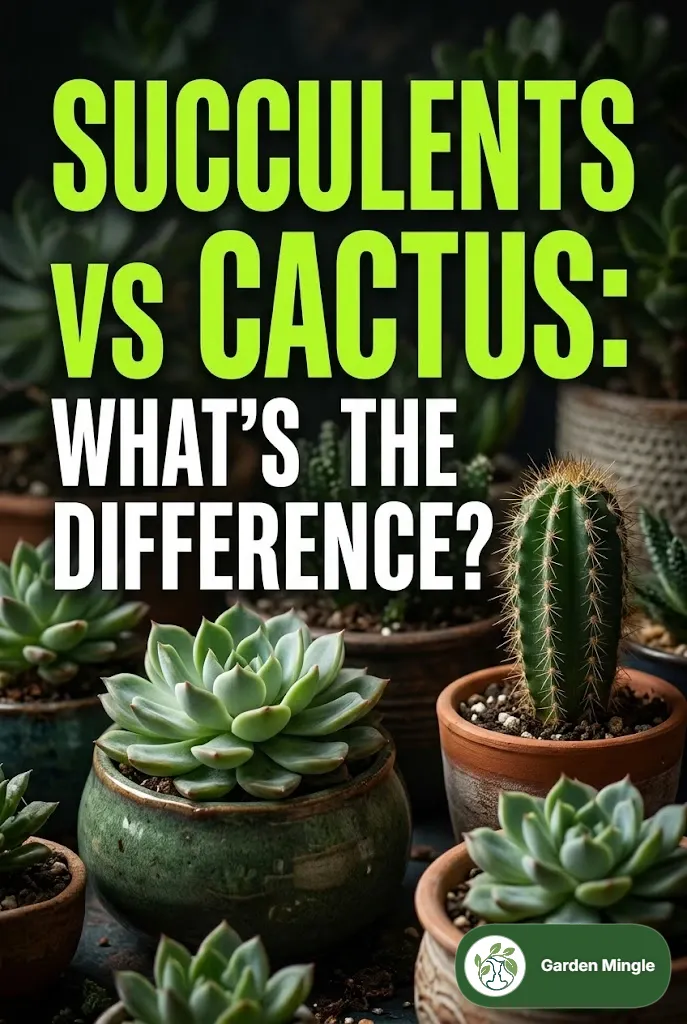
When it comes to adding a touch of greenery to your home, succulents and cacti are two of the most popular choices. Both are known for their unique beauty and low maintenance requirements, but many people often confuse the two. Understanding the differences between succulents and cacti can help you choose the right plants for your space and ensure you provide the best care for them. Let’s dig deeper into the fascinating world of these resilient plants!
Quick Answer
Succulents are a broader category of plants that store water in their leaves, stems, or roots, while cacti are a specific type of succulent that belong to the family Cactaceae and are characterized by their spines instead of leaves. All cacti are succulents, but not all succulents are cacti.
What Are Succulents?
Succulents are plants that have adapted to store water in their fleshy parts, enabling them to thrive in arid environments. They come in various shapes, sizes, and colors, making them a favorite among plant lovers. Here’s what you need to know about succulents:
Characteristics of Succulents
- Water Storage: Succulents have specialized tissues for storing water, allowing them to survive periods of drought.
- Variety: This category includes a wide range of plants, such as aloe vera, jade plants, and agave.
- Leaf Structure: Succulents can have thick, fleshy leaves or stems. Some even have unique shapes, like rosettes.
Types of Succulents
Succulents can be categorized into different types based on their characteristics:
- Leaf succulents: These have thick, fleshy leaves, like the Echeveria.
- Stem succulents: Their water storage is mainly in the stems, such as in the barrel cactus.
- Root succulents: These store moisture in their roots, like the sweet potato vine.
What Are Cacti?
Cacti are a specific type of succulent that belong to the family Cactaceae. They are primarily native to the Americas and are known for their distinctive appearance and unique adaptations. Here’s a closer look at cacti:
Characteristics of Cacti
- Spines Instead of Leaves: Cacti have evolved to have spines or glochids, which help reduce water loss and protect them from herbivores.
- Areoles: Cacti have specialized structures called areoles from which spines, flowers, and new growth emerge.
- Variety: There are over 2,000 species of cacti, ranging from the small and delicate to towering giants like the saguaro.
Common Types of Cacti
Some popular types of cacti include:
- Saguaro (Carnegiea gigantea): Iconic for its tall, arm-like structures.
- Barrel cactus (Echinocactus): Known for its barrel shape and resilience.
- Prickly pear (Opuntia): Notable for its flat pads and vibrant flowers.
Key Differences Between Succulents and Cacti
Although succulents and cacti share many similarities, understanding their key differences can help you care for them more effectively:
1. Taxonomy
Succulents include a wide range of plants from various families, while cacti are a specific family (Cactaceae) within the succulent group. This means all cacti are succulents, but not all succulents are cacti.
2. Leaf Structure
Cacti typically do not have leaves; instead, they have spines that serve to minimize water loss. Succulents, on the other hand, can have fleshy leaves or stems, depending on the species.
3. Growing Conditions
While both thrive in dry conditions, cacti are more adapted to extreme heat and can survive longer periods without water. Succulents can often tolerate a bit more humidity and may not fare as well in extremely hot climates.
4. Flowers
Cacti often bloom with vibrant flowers that emerge from the areoles, while succulent flowers vary widely and may not be as prominent. Cacti flowers tend to be larger and more colorful, attracting pollinators.
Pinterest-Style Ideas for Succulent and Cacti Displays
Both succulents and cacti can enhance your home decor in unique ways. Here are some visually inspiring ideas to consider:
- Terrariums: Create a miniature desert landscape using a mix of cacti and succulents, layered with pebbles and sand.
- Wall Art: Use a vertical garden frame to showcase a variety of succulents in different shapes and colors.
- Centerpieces: Fill a shallow dish with assorted succulents and decorative stones for a chic table centerpiece.
- Cactus Garden: Design a themed garden with various types of cacti, complementing them with decorative rocks.
- Hanging Planters: Use macramé hangers to display trailing succulents for a bohemian vibe.
Expert Tips for Growing Succulents and Cacti
Here are some insider tips to help you care for your succulents and cacti effectively:
- Soil: Use well-draining soil specifically formulated for succulents and cacti to prevent root rot.
- Watering: Water deeply but infrequently. Allow the soil to dry out completely between waterings.
- Light: Both thrive in bright, indirect sunlight. However, ensure cacti get some direct sunlight to flourish.
- Fertilizing: Use a diluted fertilizer during the growing season (spring and summer) to promote healthy growth.
Common Questions
1. Can I plant succulents and cacti together?
Yes, you can plant them together as long as you ensure proper drainage and similar light and water requirements.
2. How often should I water my succulents and cacti?
Water them every 2-4 weeks during the growing season, allowing the soil to dry out completely between waterings.
3. Do succulents and cacti need special soil?
Yes, they require well-draining soil, typically a mix specifically designed for potted succulents and cacti.
4. Can succulents and cacti survive in low light?
While they prefer bright light, some succulents can tolerate lower light conditions, but cacti generally need more direct sunlight.
Conclusion
Understanding the differences between succulents and cacti can enhance your gardening experience and help you make informed decisions about your plant choices. Both offer unique beauty and resilience, making them perfect additions to any home. Whether you’re sprucing up your space or creating a stunning centerpiece, these plants are sure to inspire and delight.
Leave a Reply