
- How to Grow Peas from Seeds: Expert Garden Guide & Tips - July 23, 2026
- 10 Heirloom Vegetables to Grow: Best Heritage Garden Guide - July 23, 2026
- How to Grow Radishes from Seeds in Container - July 23, 2026
Share the post "10 Heirloom Vegetables to Grow: Best Heritage Garden Guide"
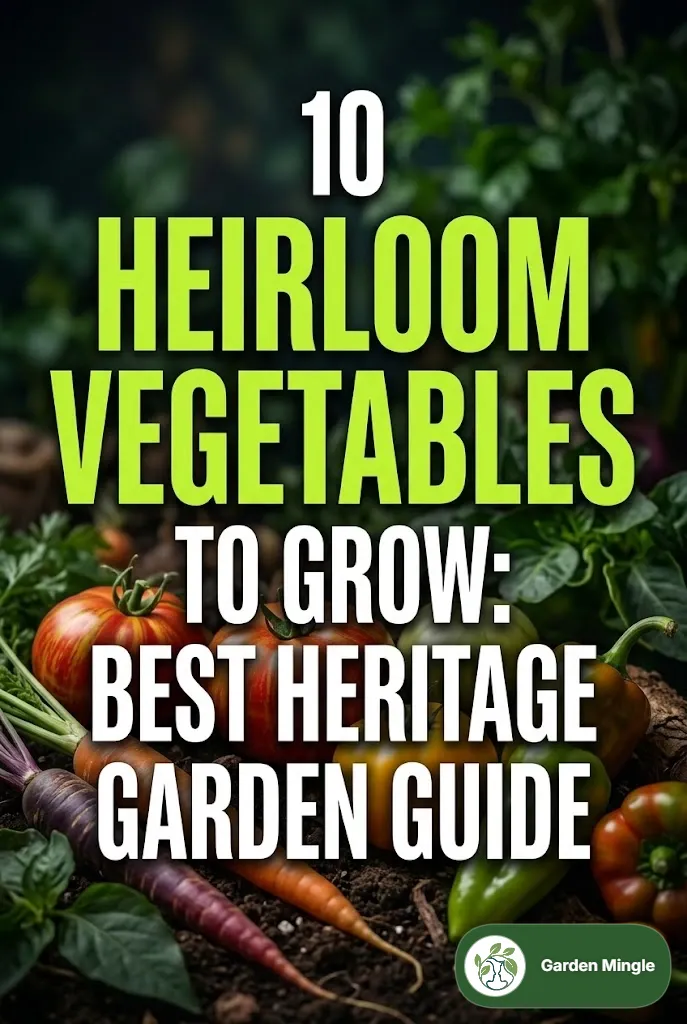
Growing heirloom vegetables can be a rewarding experience that not only enhances your garden’s biodiversity but also connects you to culinary traditions passed down through generations. These time-tested varieties often boast better flavor, unique colors, and interesting shapes compared to their modern counterparts. If you’re looking to cultivate a heritage garden that celebrates variety and taste, this guide will introduce you to ten heirloom vegetables that are worth planting.
Quick Answer
Heirloom vegetables are open-pollinated varieties that have been cultivated for generations, prized for their rich flavors and unique characteristics. Some of the best heirloom vegetables to grow include Cherokee Purple tomatoes, Blue Lake green beans, and Rainbow Swiss chard. These varieties not only enhance your garden but also contribute to biodiversity.
1. Cherokee Purple Tomato
The Cherokee Purple is a stunning tomato with a deep purple hue and a rich, sweet flavor. This variety is known for its excellent taste and is perfect for fresh eating or making sauces.
Growing Tips
- Start seeds indoors 6-8 weeks before the last frost.
- Transplant seedlings when the soil temperature reaches 70°F.
- Provide support with stakes or cages as the plants grow.
2. Blue Lake Green Beans
Blue Lake green beans are a favorite among home gardeners due to their tender texture and sweet flavor. This pole variety produces abundant yields throughout the summer.
Growing Tips
- Plant seeds directly in the garden after the last frost.
- Ensure they have a trellis or support to climb.
- Harvest regularly to encourage more growth.
3. Rainbow Swiss Chard
Rainbow Swiss chard not only adds vibrant color to your garden but also offers a nutritious addition to your meals. Its leaves are rich in vitamins and can be used in salads, sautés, or soups.
Growing Tips
- Sow seeds in early spring or late summer for a fall harvest.
- Thin seedlings to allow for proper spacing.
- Water regularly to keep the soil moist.
4. Boston Marrow Squash
This heirloom squash is known for its sweet, orange flesh and creamy texture. Boston Marrow is perfect for pies, soups, and other savory dishes.
Growing Tips
- Plant seeds in rich, well-drained soil after the danger of frost.
- Space plants adequately to allow for sprawling vines.
- Mulch to retain moisture and suppress weeds.
5. Yellow Pear Tomato
These small, pear-shaped tomatoes are not only adorable but also incredibly sweet. They’re perfect for snacking, salads, or adding a pop of color to dishes.
Growing Tips
- Start seeds indoors 6-8 weeks before the last frost.
- Transplant outdoors once the weather has warmed.
- Provide plenty of sunlight and water consistently.
6. Brandywine Tomato
Brandywine tomatoes are a classic heirloom variety known for their large size and exceptional flavor. They are often considered one of the best-tasting tomatoes available.
Growing Tips
- Plant in a sunny location with well-drained soil.
- Support the heavy fruits with cages or stakes.
- Prune lower leaves to improve air circulation.
7. Purple Top White Globe Turnip
This heirloom vegetable is recognizable by its purple top and white bottom. The turnips are tender and can be enjoyed roasted, mashed, or in stews.
Growing Tips
- Sow seeds in early spring or late summer.
- Thin seedlings to ensure proper spacing for root development.
- Keep the soil consistently moist for optimal growth.
8. Calabrese Broccoli
Calabrese broccoli is a robust variety with large, flavorful heads. It thrives in cooler weather and is a staple in many kitchens for its versatility.
Growing Tips
- Start seeds indoors 6-8 weeks before the last frost.
- Transplant outdoors in early spring or late summer.
- Harvest the main head before it flowers for the best taste.
9. Napa Cabbage
Napa cabbage is a crisp, sweet variety that is popular in Asian cuisine. Its tender leaves are perfect for salads, stir-fries, or kimchi.
Growing Tips
- Sow seeds directly in the garden in early spring or late summer.
- Ensure consistent moisture and provide shade during hot weather.
- Harvest when the heads feel firm.
10. Little Finger Carrot
Little Finger carrots are a delightful heirloom variety that produces small, sweet, and crunchy roots. Their unique size makes them perfect for snacking or adding to salads.
Growing Tips
- Sow seeds directly in loose, sandy soil in early spring.
- Thin seedlings to allow enough space for growth.
- Water regularly and harvest when roots reach 3-4 inches long.
Expert Tips for Growing Heirloom Vegetables
To successfully grow heirloom vegetables, consider these expert tips:
- Rotate Crops: Prevent soil depletion and disease by rotating crops each year.
- Save Seeds: Learn to save seeds from your heirloom varieties to ensure a continual supply and preserve genetic diversity.
- Companion Planting: Pair different heirloom varieties together to enhance growth and deter pests.
Common Questions
What are heirloom vegetables?
Heirloom vegetables are open-pollinated varieties that have been cultivated for many generations, often prized for their unique flavors and characteristics.
Why should I grow heirloom vegetables?
Heirloom vegetables often have superior taste, greater nutritional value, and contribute to biodiversity in your garden.
How do I save seeds from heirloom vegetables?
To save seeds, allow the vegetable to fully mature, then collect and dry the seeds before storing them in a cool, dry place.
Conclusion
Growing heirloom vegetables is not just about cultivating unique plants; it’s about embracing a legacy of flavors and biodiversity. Each heirloom variety has its own story and benefits, making your garden a living history. By planting these ten heirloom vegetables, you can enhance your culinary experiences and contribute positively to sustainable gardening practices. Happy gardening!
Leave a Reply