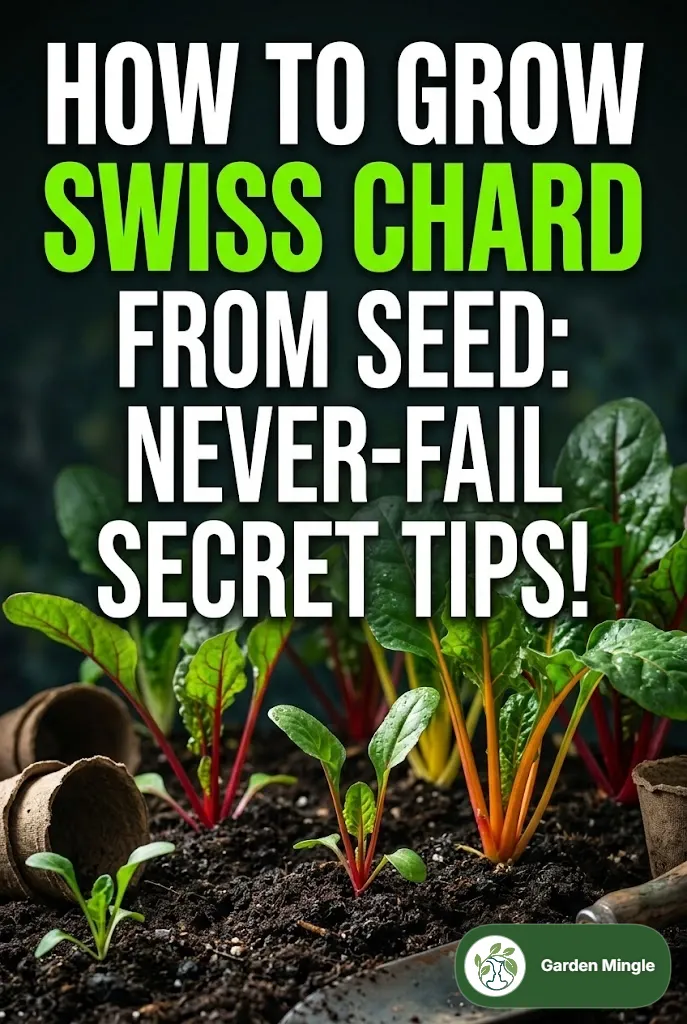

- How to Grow Swiss Chard from Seed: Never-Fail Secret Tips! - July 24, 2026
- Grow Celery from Stalk: This Hack Saves You $100s on Groceries! - July 24, 2026
- How to Grow Spring Onions from Scraps: Never Buy Them Again! - July 24, 2026
Share the post "How to Grow Swiss Chard from Seed: Never-Fail Secret Tips!"
Growing Swiss chard from seed can be a rewarding experience, especially if you’re looking to add a splash of color and nutrition to your garden. This leafy green is not only packed with vitamins and minerals but also boasts vibrant stems that can brighten up any garden bed. However, getting started can be daunting for beginners. Worry not! With the right tips and techniques, you’ll be harvesting beautiful Swiss chard in no time.
Quick Answer
To grow Swiss chard from seed, sow the seeds in well-drained soil about 1 inch apart and cover lightly. Keep the soil moist and ensure they receive full sun. Thin the seedlings to 6 inches apart for optimal growth.
Understanding Swiss Chard
Before sowing your seeds, it’s beneficial to understand what Swiss chard is and why it makes a great addition to your garden. This leafy green belongs to the beet family and is known for its large, colorful leaves and crunchy stems. Swiss chard is not only nutritious, rich in vitamins A, K, and C, but it also thrives in cooler weather, making it a versatile choice for various climates.
Choosing the Right Variety
Swiss chard comes in several varieties, each with unique stem colors and leaf textures. Here are a few popular types to consider:
- Rainbow Chard: A mix of various stem colors, making your garden visually stunning.
- Fordhook Giant: Features large, broad leaves and is particularly hardy.
- Bright Lights: Known for its vibrant, multicolored stems.
Preparing Your Garden Bed
Successful Swiss chard growth starts with the right preparation of your garden bed. Here’s how to set up the perfect environment:
Soil Requirements
Swiss chard prefers well-drained soil with a pH between 6.0 and 7.0. Here are steps to prepare your soil:
- Test the Soil: Use a soil test kit to determine pH and nutrient levels.
- Add Organic Matter: Incorporate compost or well-rotted manure to improve soil fertility and drainage.
- Till the Soil: Loosen the top 12 inches of soil to ensure good root penetration.
Optimal Sunlight
Swiss chard thrives in full sun but can tolerate partial shade. Aim for at least 6 hours of sunlight daily to promote optimal growth.
Sowing Swiss Chard Seeds
Now that your garden bed is ready, it’s time to sow your seeds. Follow these steps for best results:
When to Plant
Swiss chard can be planted in early spring or late summer, as it prefers cooler temperatures. Aim for soil temperatures of around 50°F to 85°F.
How to Sow
1. Make shallow furrows in the prepared soil, spaced about 12 inches apart. 2. Drop seeds about 1 inch apart in the furrows. 3. Cover the seeds with about ½ inch of soil. Avoid burying them too deep, as this may hinder germination.
Watering and Care
Proper watering and care are crucial for healthy Swiss chard growth. Here’s what you need to do:
Watering Tips
Keep the soil consistently moist but not soggy. Water at least once a week, increasing frequency during hot, dry spells. Here are some watering tips:
- Use a drip irrigation system or soaker hose to deliver water directly to the roots.
- Avoid watering the leaves to prevent disease.
Fertilization
Feed your Swiss chard with a balanced fertilizer every 4-6 weeks. A fertilizer high in nitrogen will encourage leaf growth. Follow the package instructions for application rates.
Thinning Seedlings
Once your seeds have germinated and seedlings are a few inches tall, it’s time to thin them. Here’s how:
- Thin seedlings to about 6 inches apart to allow ample space for growth.
- Use scissors to snip the extra seedlings at the soil level to avoid disturbing the roots of the remaining plants.
Pest and Disease Management
Swiss chard is relatively resilient but can be susceptible to certain pests and diseases. Here’s how to keep your plants healthy:
Common Pests
- Aphids: Spray with insecticidal soap or neem oil to control infestations.
- Leaf Miners: Remove affected leaves and use row covers to protect young plants.
Disease Prevention
To prevent diseases such as downy mildew:
- Ensure good air circulation around plants.
- Avoid overhead watering to keep leaves dry.
Harvesting Swiss Chard
Swiss chard is ready to harvest when the leaves are about 6-8 inches long. Here’s the best way to do it:
How to Harvest
- Use a sharp knife or scissors to cut the outer leaves at the base, leaving the inner leaves to continue growing.
- Harvest regularly to encourage more growth and to prevent the plant from bolting.
Pinterest-Style Ideas for Swiss Chard
Here are some creative ways to use Swiss chard in your kitchen and garden:
- Colorful Salad Mix: Combine Swiss chard leaves with other greens, nuts, and a citrus dressing for a vibrant salad.
- Chard Chips: Bake chard leaves with a sprinkle of olive oil and sea salt for a crunchy snack.
- Garden Decor: Use colorful Swiss chard stems in flower arrangements for a stunning display.
Expert Tips for Growing Swiss Chard
Here are some insider tips to ensure your Swiss chard grows beautifully:
- Start seeds indoors 4-6 weeks before the last frost for an early start.
- Mix in a slow-release fertilizer at planting for long-term nourishment.
- Rotate your crops each season to prevent soil-borne diseases.
Common Questions
How long does it take for Swiss chard to grow from seed?
Swiss chard typically takes about 50 to 60 days to reach maturity from seed.
Can I grow Swiss chard in containers?
Yes, Swiss chard grows well in containers. Ensure the pot is at least 12 inches deep for proper root development.
Is Swiss chard a perennial plant?
Swiss chard is typically grown as an annual, but in mild climates, it can behave as a biennial or perennial.
Conclusion
Growing Swiss chard from seed is not just an enjoyable gardening activity; it’s a way to cultivate delicious, nutritious greens right in your backyard. With the tips provided, you’ll be well-equipped to start your Swiss chard journey. Enjoy the process, experiment with different varieties, and soon you’ll be reaping the rewards of your hard work. Happy gardening!
Leave a Reply