
- Vertical Vegetable Garden Guide: Grow More in Less Space - July 27, 2026
- Vegetable Gardening for Beginners: 6 Facts Experts Won’t Tell You! - July 27, 2026
- 10 Vegetables That Grow Like Crazy in Pots (Beginners Can’t Fail!) - July 27, 2026
Share the post "Vegetable Gardening for Beginners: 6 Facts Experts Won’t Tell You!"
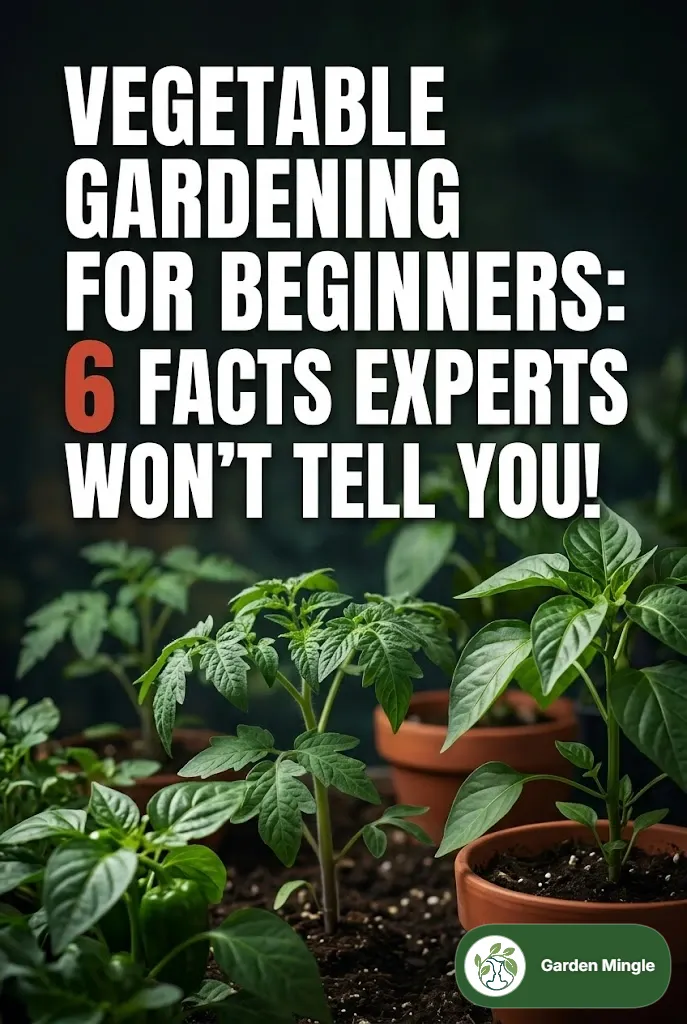
Starting a vegetable garden can feel overwhelming for beginners. With so much information available, it’s easy to get lost in the details and feel unsure of where to begin. However, the joy of growing your own fresh produce is incredibly rewarding. Beyond the basics, there are crucial insights that seasoned gardeners may not openly share. Understanding these can help you avoid common pitfalls and cultivate a thriving garden. Let’s dive into six essential facts that will set you up for success in your vegetable gardening journey.
Quick Answer
Vegetable gardening for beginners involves understanding the right plants, soil preparation, watering techniques, pest management, seasonal timing, and the importance of patience. Mastering these elements will help you grow a successful garden.
1. Choose the Right Vegetables for Your Climate
One of the most critical decisions you’ll make is selecting the right vegetables for your growing zone. Not every vegetable thrives in every climate, so consider these tips:
- Research Your Zone: Check out the USDA Plant Hardiness Zone Map to determine your zone and what grows best in it.
- Start with Easy Vegetables: Beginners should focus on easy-to-grow options like lettuce, radishes, and zucchini. These varieties are forgiving and yield quick results.
- Consider Your Season: Cool-season crops can be planted in early spring or fall, while warm-season crops should be planted after the last frost.
2. Soil Preparation is Key
The foundation of a successful vegetable garden lies in the soil. Many beginners underestimate the importance of soil health. Here’s how to prepare it:
- Test Your Soil: Use a soil testing kit to check pH and nutrient levels. Most vegetables prefer a pH of 6.0 to 7.0.
- Add Organic Matter: Enrich your soil with compost or well-rotted manure to improve drainage and nutrient content.
- Loosen the Soil: Make sure to till or aerate the soil to create a loose, crumbly texture that allows roots to grow easily.
3. Watering Wisely
Proper watering is crucial for your plants’ health, yet it’s one of the most misunderstood aspects of gardening. Here are some tips:
- Water Deeply and Infrequently: This encourages deep root growth. Aim for about 1 inch of water per week, adjusting based on rainfall.
- Time It Right: Water in the early morning or late afternoon to minimize evaporation and fungal diseases.
- Mulch for Moisture Retention: Apply a layer of mulch around your plants to help retain moisture and suppress weeds.
4. Pest Management is an Ongoing Process
Dealing with pests can be intimidating, but it doesn’t have to be. Here are some insider tips to manage pests naturally:
- Encourage Beneficial Insects: Ladybugs and lacewings can help keep aphids in check. Plant flowers like marigolds to attract them.
- Use Companion Planting: Certain plants can help repel pests. For example, planting basil near tomatoes can deter flies and mosquitoes.
- Monitor Regularly: Check your plants frequently for signs of pests or disease, and act quickly to manage any issues.
5. Timing is Everything
Understanding the timing of planting and harvesting is crucial for a successful garden. Here are some tips to consider:
- Follow Seed Pack Instructions: Always read the seed packets for specific planting dates and depth.
- Plan for Succession Planting: Planting a new crop every few weeks can ensure a continuous harvest throughout the growing season.
- Harvest at Peak Ripeness: Most vegetables taste best when harvested at their peak ripeness. Pay attention to size and color.
6. Patience is a Virtue
Perhaps the most surprising fact for beginners is the importance of patience in gardening. Here’s why:
- Embrace the Learning Curve: Gardening is a skill that improves over time. Don’t be discouraged by initial failures.
- Watch and Wait: Some plants take longer to germinate than others. Give your seeds time and avoid the temptation to dig them up too soon.
- Enjoy the Process: Gardening is not just about the end product but also about the joy of nurturing plants and being outdoors.
Pinterest-Style Ideas for Your Vegetable Garden
- Vertical Gardening: Utilize vertical space with trellises for climbing plants like peas or cucumbers.
- Container Gardening: Perfect for small spaces, use pots to grow herbs or dwarf vegetables.
- Raised Beds: Create elevated beds for better drainage and easier access.
- Garden Theme: Try a salsa garden with tomatoes, peppers, and onions, or a salad garden with various greens.
Expert Tips for New Gardeners
- Keep a Garden Journal: Document your planting dates, growth progress, and any issues that arise. This will help you learn and improve.
- Join a Local Gardening Group: Networking with other gardeners can provide support, advice, and inspiration.
- Use Natural Fertilizers: Compost tea or fish emulsion can provide nutrients without the harsh chemicals found in synthetic fertilizers.
Common Questions
What vegetables are best for beginners?
Start with easy-to-grow vegetables like lettuce, radishes, green beans, and zucchini. They provide quick results, boosting your confidence.
How often should I water my garden?
Water deeply about once a week, adjusting based on rainfall and humidity. Aim for about 1 inch of water weekly.
What should I do about weeds?
Weed regularly to prevent competition for nutrients. Mulching can also suppress weed growth and retain moisture.
How can I tell if my plants are healthy?
Healthy plants have vibrant leaves, strong stems, and are free of pests and diseases. Monitor growth and watch for any changes.
Is it too late to start a garden?
It’s never too late! Many vegetables can be planted in succession throughout the growing season. Check local planting dates for your area.
Conclusion
Vegetable gardening can be a fulfilling and enriching experience. By understanding these six essential facts, you’re better equipped to face the challenges and enjoy the rewards that come with growing your own food. Remember to take it step by step, nurture your plants, and most importantly, enjoy the journey. Happy gardening!
Leave a Reply