
- Propagating Succulent Leaves in Water: The Definitive Guide - August 16, 2026
- Succulent Pot Size Guide: 8 Things You Need To Know - August 16, 2026
- How to Prune a Succulent? (Complete Guide) - August 16, 2026
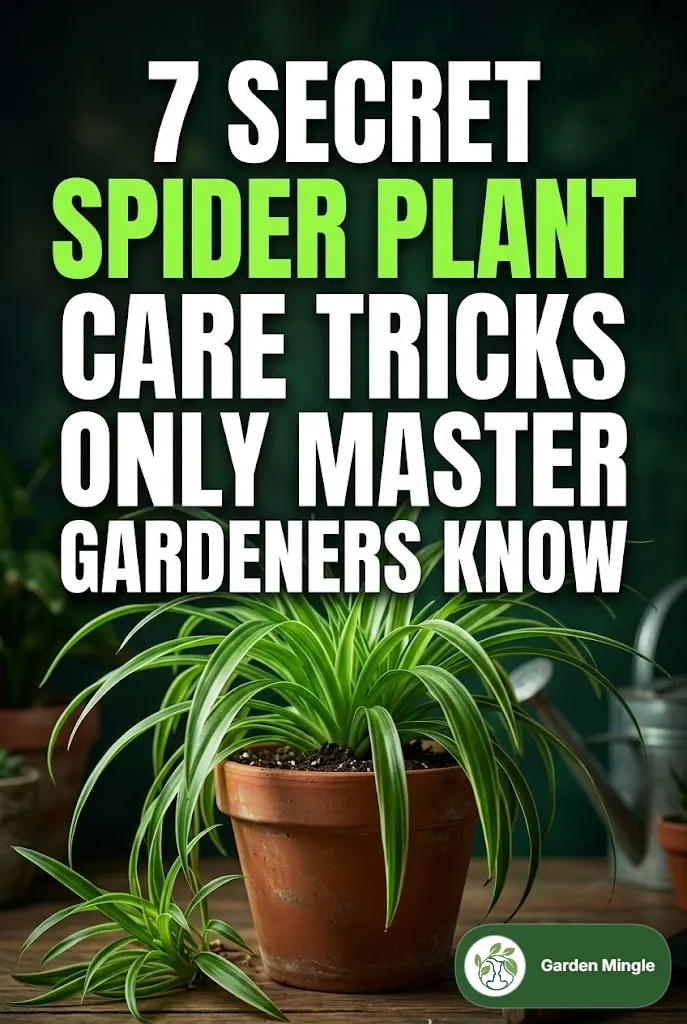
Share the post "7 Secret Spider Plant Care Tricks Only Master Gardeners Know"
Spider plants are beloved for their air-purifying properties, unique foliage, and easy-going nature. However, even seasoned plant parents can sometimes struggle to keep these charming green companions thriving. If you’ve ever wondered how to elevate your spider plant care to the next level, you’re in for a treat! Here are seven secret tricks that master gardeners swear by to ensure your spider plant flourishes and adds beauty to your home.
Quick Answer
To enhance spider plant care, master gardeners recommend maintaining ideal light conditions, using proper watering techniques, and employing regular pruning. Additionally, providing nutrient-rich soil, ensuring humidity, and repotting when necessary can significantly improve your plant’s vitality.
Understanding Spider Plants
Before diving into the secrets, it’s essential to understand what makes spider plants special. Known scientifically as Chlorophytum comosum, these plants are native to tropical and southern Africa. They thrive in a variety of conditions, making them popular houseplants. However, to achieve their lush growth and vibrant appearance, a few insider tips can make all the difference.
Secret Care Tricks for Spider Plants
1. Optimal Light Conditions
Spider plants prefer bright, indirect sunlight. Too much direct sunlight can scorch their leaves, while insufficient light can hinder their growth. Place your spider plant near a window with filtered light for the best results. If you’re unsure, observe the plant; if it leans towards the light, it’s time to adjust its position.
2. Water Wisely
Overwatering is one of the most common pitfalls for spider plant owners. Allow the top inch of soil to dry out before watering again. Use room temperature water, as cold water can shock the plant. Additionally, consider using distilled or rainwater, as spider plants can be sensitive to chemicals in tap water.
3. Nutrient-Rich Soil
Starting with the right soil can set your spider plant on the path to success. A well-draining potting mix is ideal. You can enhance your soil by mixing in some perlite or peat moss to improve aeration and drainage. This mix allows the roots to breathe and helps prevent root rot.
4. Pruning for Growth
Regular pruning not only keeps your spider plant looking tidy but also encourages healthier growth. Trim off any brown tips or dead leaves to redirect energy to new growth. Additionally, when your plant produces “pups” (the small spider-like plants), you can snip them off and propagate them to expand your collection.
5. Humidity Matters
Spider plants enjoy humidity, so if your home is dry, consider misting your plants occasionally or placing a humidifier nearby. Alternatively, you can group your spider plant with other houseplants to create a microclimate of increased humidity. This small adjustment can lead to remarkable improvements in leaf vitality.
6. Repotting When Needed
Repotting isn’t just for when your plant has outgrown its pot; it’s also an opportunity to refresh the soil and promote healthy growth. Look for signs such as roots growing out of the drainage holes or slowing growth. When repotting, gently loosen the roots and transfer them to a slightly larger pot with fresh soil.
7. Pest Prevention
Spider plants are generally resistant to pests, but they can occasionally attract spider mites or aphids. To prevent infestations, regularly wipe the leaves with a damp cloth and inspect for any signs of pests. If you find any, a mixture of water and a few drops of dish soap can help eliminate them effectively.
Pinterest-Style Ideas for Spider Plant Displays
- Hanging Baskets: Create a stunning visual display by hanging your spider plants in decorative baskets. They will cascade beautifully, showcasing their unique foliage.
- Terrarium Combo: Combine spider plants with other small plants in a terrarium for a lush, mini-garden effect.
- Macramé Hangers: Use macramé plant hangers for a boho-inspired look that elevates your indoor decor.
- Plant Shelves: Arrange multiple spider plants at varying heights on shelves for a dynamic and inviting display.
- Sunroom Showcase: Place spider plants in a sunroom to enjoy their full glory with ample natural light.
Expert Tips for Thriving Spider Plants
Here are some lesser-known tips that can make a significant impact on your spider plant care:
- Rotate Regularly: Rotating your spider plant every few weeks ensures that all sides receive equal light, promoting even growth.
- Use Fertilizer Sparingly: While spider plants do benefit from occasional fertilization during the growing season, over-fertilizing can lead to leaf burn. Use a balanced fertilizer diluted to half strength.
- Watch for Leaf Burn: If you notice browning leaf tips, it may be a sign of low humidity or too much direct sunlight; adjust accordingly.
Common Questions About Spider Plant Care
How often should I water my spider plant?
Water your spider plant when the top inch of the soil feels dry. This usually translates to every 1-2 weeks, depending on the environment.
What are the signs of a healthy spider plant?
A healthy spider plant will have vibrant green leaves without brown tips, and it will produce pups regularly.
Can I propagate my spider plant?
Yes! You can propagate spider plants by snipping off the pups and placing them in water or directly into soil until they establish roots.
What should I do if my spider plant is turning yellow?
Yellowing leaves can indicate overwatering or insufficient light. Check your watering routine and light conditions to remedy the issue.
Are spider plants pet-friendly?
Yes, spider plants are non-toxic to pets, making them a safe choice for households with cats and dogs.
Conclusion
With these secret care tricks, you can transform your spider plant from ordinary to extraordinary. By paying attention to light, water, soil, and humidity, you’re not just keeping your plant alive; you’re helping it thrive. So go ahead, implement these tips, and enjoy the lush, vibrant beauty of your spider plants for years to come!
Leave a Reply