
- Propagating Succulent Leaves in Water: The Definitive Guide - August 16, 2026
- Succulent Pot Size Guide: 8 Things You Need To Know - August 16, 2026
- How to Prune a Succulent? (Complete Guide) - August 16, 2026
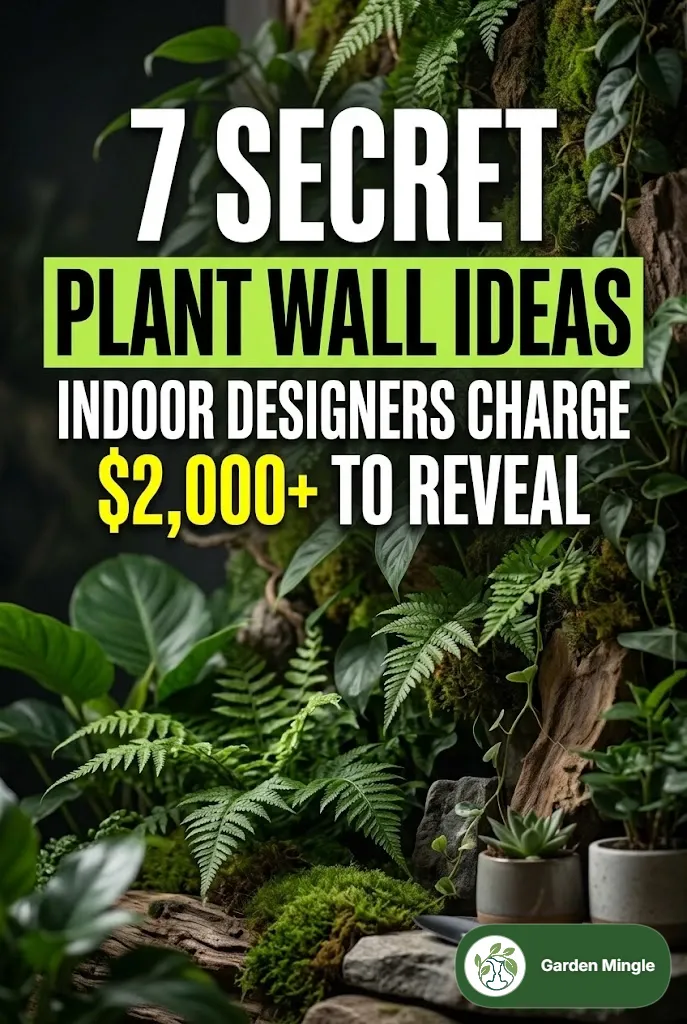
Share the post "7 Secret Plant Wall Ideas Indoor Designers Charge $2,000+ to Reveal"
Have you ever walked into a beautifully designed home and wondered how they achieved that stunning indoor plant wall? These vertical gardens are not just for the outdoors; they can transform any indoor space, adding both beauty and tranquility. However, the secret techniques and ideas that designers use often come with a hefty price tag. What if I told you that you could create your own gorgeous plant wall without breaking the bank? Here are seven secret plant wall ideas that indoor designers charge $2,000+ to reveal, and you can implement them yourself.
Quick Answer
Indoor plant walls can elevate your home’s aesthetic while improving air quality. Consider using modular systems, repurposed materials, living art, or vertical planters for a stunning effect that rivals professional installations.
1. Modular Living Wall Systems
One of the most popular methods for creating a plant wall is using modular living wall systems. These pre-designed panels come with built-in irrigation and drainage, making them easy to install and maintain.
Why Choose Modular Systems?
- Ease of Installation: Many systems come with detailed instructions and are designed for DIY enthusiasts.
- Customizable: You can mix and match different panels to create unique designs.
- Low Maintenance: Built-in irrigation systems reduce the need for frequent watering.
2. Repurposed Wood Pallets
For a rustic and eco-friendly option, consider repurposing old wood pallets. They can be transformed into beautiful plant walls with minimal cost and effort.
How to Create a Pallet Plant Wall
- Sand down the pallet to avoid splinters.
- Attach landscape fabric to the back and sides to hold soil.
- Fill the pallet with soil and choose small plants or herbs that thrive in vertical spaces.
This method not only saves money but also adds a charming, rustic vibe to your space.
3. Vertical Garden Kits
If you’re looking for a quick and hassle-free installation, vertical garden kits are your best bet. These kits often include everything you need, from planters to mounting hardware.
Benefits of Vertical Garden Kits
- All-in-One: Kits usually come with pre-planned layouts for plant arrangements.
- Variety of Designs: Choose from modern, industrial, or classic styles.
- Guidance Provided: Many kits include care guides to help you maintain your plants.
4. Living Art Installations
Why not think outside the box? Create a living art installation by arranging plants in artistic patterns. This method requires a bit more planning but can yield stunning results.
Steps to Create Living Art
- Select a canvas or frame that complements your space.
- Choose plants with varying colors and textures.
- Arrange them on the canvas, securing with wire or glue.
These installations can serve as focal points in your home, showcasing both your creativity and love for plants.
5. Hanging Planters
Hanging planters are a fantastic way to utilize vertical space without taking up any floor area. They can be arranged in numerous ways, making them incredibly versatile.
Creative Ways to Use Hanging Planters
- Clustered Arrangements: Hang multiple planters at different heights for a dynamic look.
- Macramé Hangers: Add a bohemian touch with macramé plant hangers.
- Wall-Mounted Hooks: Use attractive hooks to display individual planters.
Hanging planters are easy to install and can be changed out seasonally to keep your decor fresh.
6. Succulent and Cactus Walls
Succulents and cacti are not only trendy but also low-maintenance, making them perfect for indoor plant walls. Their unique shapes and colors can create a visually striking display.
Creating a Succulent Wall
- Choose a sturdy backing, like plywood or a wooden frame.
- Attach small pots or use a grid system to hold your succulents.
- Ensure you have proper drainage to keep the plants healthy.
These arrangements are great for sunny areas of your home and require minimal watering.
7. DIY Vertical Hydroponic Systems
If you’re feeling adventurous, consider installing a DIY vertical hydroponic system. This method eliminates soil, allowing you to grow herbs and vegetables in a compact space.
How to Set Up a Hydroponic Wall
- Choose a vertical frame and arrange tubes for water flow.
- Install grow lights if necessary, especially for darker areas.
- Monitor nutrient levels and pH to ensure healthy plant growth.
This high-tech option may require more initial effort but can yield bountiful harvests.
Expert Tips
Here are some insider tips to enhance your indoor plant wall project:
- Choose plants that thrive in your home’s lighting conditions.
- Incorporate a mix of textures and colors for visual interest.
- Consider adding a water feature for added tranquility and humidity.
Common Questions
What types of plants are best for indoor walls?
Opt for low-light tolerant plants like pothos, ferns, or air plants for indoor walls.
How do I maintain my plant wall?
Regularly check for pests, ensure proper watering, and consider rotating plants for even growth.
Can I install a plant wall in a bathroom?
Yes! Bathrooms often provide humidity, which is beneficial for many plants.
Conclusion
Creating a stunning indoor plant wall doesn’t have to cost a fortune. With a bit of creativity and effort, you can implement these designer secrets to enhance your home. Whether you choose a modular system, repurposed materials, or even a hydroponic setup, the result will be a beautiful, vibrant space that reflects your personality and style. Dive in, and let your indoor garden flourish!
Leave a Reply