
- Bird of Paradise Plant Care: Easy Tips for a Thriving Tropical Beauty - July 2, 2026
- Monstera Plant Care: Complete Guide - July 2, 2026
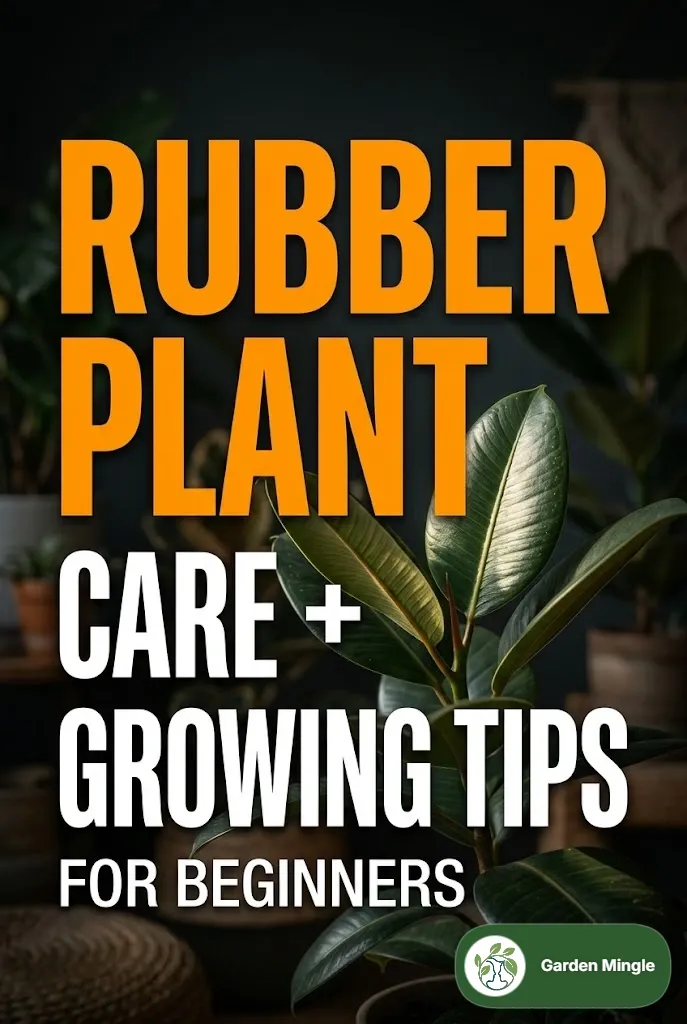
- Rubber Plant Care + Growing Tips for Beginners - July 2, 2026
The rubber plant, known for its glossy leaves and robust growth, is a favorite among both novice and seasoned gardeners. This tropical beauty can effortlessly elevate your indoor space, but proper care is essential for it to thrive. Whether you’re a beginner eager to learn or simply looking to enhance your existing gardening skills, understanding the nuances of rubber plant care will help you cultivate a lush and vibrant specimen. Let’s delve into the essential tips and tricks for growing a healthy rubber plant.
Quick Answer
To care for a rubber plant, provide bright, indirect sunlight, water when the top inch of soil is dry, maintain humidity levels, and fertilize during the growing season. With the right conditions, your rubber plant can thrive and grow beautifully.
Understanding Your Rubber Plant
The rubber plant, scientifically known as Ficus elastica, is part of the fig family. Originating from the tropical regions of Southeast Asia, it’s renowned for its ability to adapt to various indoor conditions. Its thick, glossy leaves not only add aesthetic appeal but also improve air quality, making it a popular choice for homes and offices.
Choosing the Right Location
- Light Needs: Rubber plants prefer bright, indirect sunlight. A spot near a window with filtered light is ideal. Avoid direct sunlight, as it can scorch the leaves.
- Temperature: These plants thrive in temperatures between 60°F and 75°F (15°C to 24°C). Keep them away from drafts, air conditioning, and heating vents.
- Humidity: Rubber plants enjoy higher humidity levels. If your home is dry, consider using a humidifier or placing a tray of water near the plant.
Watering Your Rubber Plant
Watering correctly is crucial to the health of your rubber plant. Overwatering can lead to root rot, while underwatering can cause wilting.
How to Water
- Check the soil moisture by sticking your finger into the top inch of soil. If it feels dry, it’s time to water.
- Water thoroughly until you see excess water draining from the bottom of the pot.
- During the growing season (spring and summer), water more frequently. In fall and winter, reduce the frequency as the plant’s growth slows.
Signs of Overwatering and Underwatering
Be vigilant for signs that your rubber plant might need adjustments in watering:
- Overwatering: Yellowing leaves and a mushy stem indicate too much water.
- Underwatering: Leaves may droop and appear dry or crispy at the edges.
Soil and Potting Needs
Choosing the right soil and pot is another essential aspect of rubber plant care.
Best Soil Type
- A well-draining potting mix is ideal. Look for a blend that contains peat moss, perlite, and pine bark.
- Consider adding extra perlite or sand to improve drainage.
Potting Tips
- Use a pot with drainage holes to prevent water from accumulating at the bottom.
- Re-pot your rubber plant every 2-3 years or when it outgrows its pot.
Fertilizing for Healthy Growth
Fertilizing helps your rubber plant thrive, especially during its active growth period.
When and How to Fertilize
- Feed your rubber plant every 4-6 weeks during spring and summer with a balanced, water-soluble fertilizer.
- Reduce or stop fertilizing in fall and winter when the plant’s growth slows.
Common Fertilizing Mistakes
- Avoid over-fertilizing, as it can lead to salt buildup and damage the roots.
- Always water your plant before applying fertilizer to prevent root burn.
Pruning and Maintenance
Regular maintenance not only keeps your rubber plant looking its best but also promotes healthy growth.
Pruning Tips
- Remove any dead or yellowing leaves to encourage new growth.
- Prune back leggy growth to maintain a bushy appearance. You can also propagate the cuttings.
- Wipe leaves occasionally with a damp cloth to remove dust and allow for better light absorption.
Pest and Disease Management
While rubber plants are relatively pest-resistant, they can still encounter a few issues.
Common Pests
- Spider Mites: Look for fine webs. Increase humidity and treat with insecticidal soap.
- Mealybugs: Identify them by their cotton-like appearance. Remove with a cotton swab dipped in alcohol.
Disease Prevention
To prevent diseases like root rot:
- Ensure proper drainage and avoid letting the plant sit in water.
- Monitor for any signs of stress, such as drooping or discoloration.
Pinterest-Style Ideas for Showcasing Your Rubber Plant
- Corner Feature: Place a tall rubber plant in a decorative pot to create a stunning corner feature in your living room.
- Mixed Plant Display: Combine your rubber plant with ferns and snake plants for a lush indoor jungle look.
- Hanging Planters: Use hanging pots to display smaller rubber plant varieties and save floor space.
Expert Tips for Thriving Rubber Plants
- Rotate your plant every few weeks to ensure even growth on all sides.
- If your rubber plant starts to lose its lower leaves, it might be a sign it needs more light.
- Consider using a slow-release fertilizer for a consistent nutrient supply throughout the growing season.
Common Questions
How often should I repot my rubber plant?
Typically, every 2-3 years is sufficient unless you notice roots coming out of the drainage holes.
Can rubber plants survive in low light?
While they can tolerate low light, growth will be stunted, and they may lose leaves. Bright, indirect light is best.
What should I do if my rubber plant is dropping leaves?
Check for overwatering, insufficient light, or sudden temperature changes as these are common causes of leaf drop.
Conclusion
With a little attention and care, your rubber plant can become a stunning centerpiece in your home. Remember to provide it with the right light, water, and nutrients to ensure it flourishes. Enjoy the journey of watching your rubber plant grow and thrive, transforming your indoor space into a vibrant oasis!
Leave a Reply