
- Propagating Succulent Leaves in Water: The Definitive Guide - August 16, 2026
- Succulent Pot Size Guide: 8 Things You Need To Know - August 16, 2026
- How to Prune a Succulent? (Complete Guide) - August 16, 2026
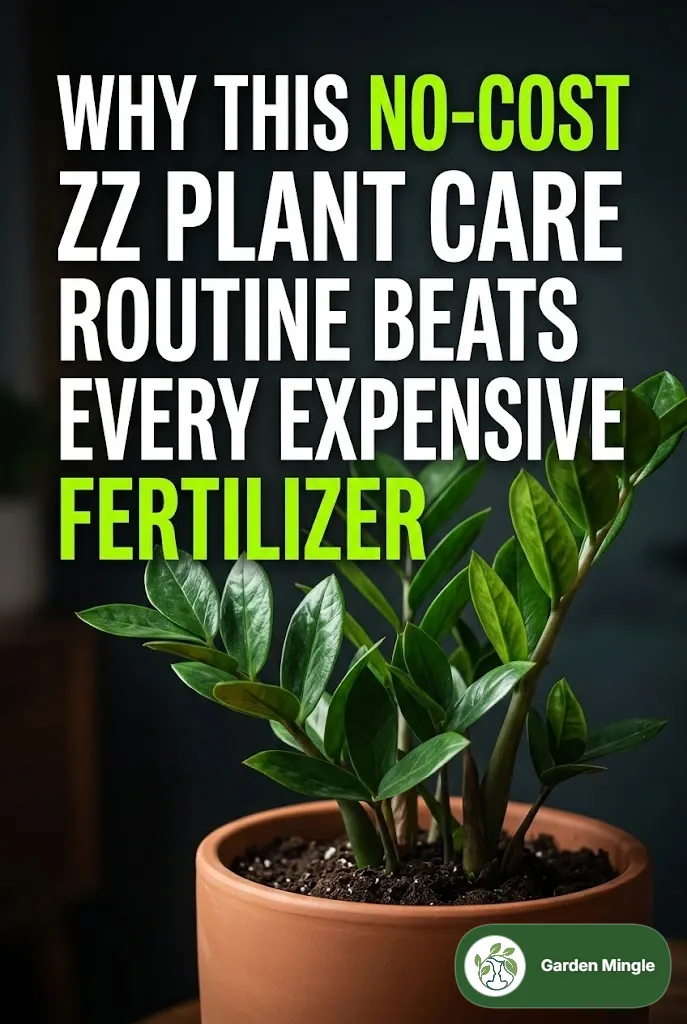
Share the post "Why This No-Cost ZZ Plant Care Routine Beats Every Expensive Fertilizer"
For plant lovers, the ZZ plant is a true gem. Known for its stunning glossy leaves and resilience, it thrives even in less-than-ideal conditions. However, many people believe that maintaining this beauty requires costly fertilizers and complex care routines. The good news? A simple, no-cost ZZ plant care routine can not only keep your plant healthy but can also outperform expensive fertilizers. Let’s dive into why this approach is both effective and budget-friendly.
Understanding the ZZ Plant
The ZZ plant (Zamioculcas zamiifolia) is a native of East Africa, making it incredibly drought-resistant and adaptable. Its thick, waxy leaves store water, allowing it to survive long periods without irrigation. This ability makes the ZZ plant an excellent choice for beginners or those who travel often.
Benefits of the ZZ Plant
- Low Maintenance: Requires minimal care and can thrive in low light.
- Air Purification: Known for filtering toxins from the air.
- Resilience: Tolerates neglect and irregular watering.
Why Skip Expensive Fertilizers?
Many gardeners feel pressured to invest in expensive fertilizers, believing they need them for optimal growth. However, the truth is that the ZZ plant can thrive without them. Let’s explore the reasons why a no-cost care routine is more effective.
Natural Nutrient Sources
Instead of relying on chemical fertilizers, consider these natural nutrient sources:
- Compost: Rich in nutrients and beneficial microbes, compost can be made at home from kitchen scraps.
- Mulch: Applying a layer of organic mulch can help retain moisture and gradually add nutrients to the soil as it decomposes.
- Watering with Residuals: Use leftover water from boiling vegetables or coffee grounds to enrich the soil naturally.
Soil Health
Healthy soil is the foundation for thriving plants. Instead of expensive potting mixes, create your own by combining:
- Equal parts of garden soil, peat moss, and perlite.
- Adding a sprinkle of crushed eggshells for calcium.
This homemade soil mix not only saves money but also provides the essential nutrients your ZZ plant needs.
The No-Cost ZZ Plant Care Routine
Here’s a straightforward, no-cost care routine that will keep your ZZ plant thriving without breaking the bank:
1. Watering Wisely
One of the biggest mistakes ZZ plant owners make is overwatering. Adopting a no-cost watering routine can prevent this:
- Water only when the top 2-3 inches of soil are dry. This typically means watering every 2-3 weeks, depending on your environment.
- Use room temperature water to avoid shocking the plant.
2. Optimal Light Conditions
ZZ plants prefer indirect light. Here’s how to provide the best conditions:
- Place your ZZ plant near a window with filtered light, or in a room with bright, indirect sunlight.
- Avoid direct sunlight, as it can scorch the leaves.
3. Humidity Consideration
While ZZ plants can tolerate low humidity, they thrive in moderate humidity. Enhance humidity without spending money:
- Group your plants together to create a microclimate.
- Place a bowl of water near your plant to increase humidity as it evaporates.
4. Pruning and Cleaning
Regularly pruning your ZZ plant not only promotes healthy growth but also keeps it looking its best:
- Remove yellow or damaged leaves to allow the plant to focus energy on healthy growth.
- Wipe the leaves with a damp cloth every few weeks to remove dust and improve photosynthesis.
Pinterest-Style Ideas for ZZ Plant Care
Here are some creative, visual ideas to inspire you in your ZZ plant care journey:
- DIY Plant Stand: Create a stylish stand using old wooden crates for an eye-catching display.
- Decorative Pebble Layer: Add a layer of colorful pebbles on top of the soil to enhance aesthetics and retain moisture.
- Wall Art Integration: Hang your ZZ plant in a macramé holder to blend nature with your home decor.
Expert Tips for Optimal ZZ Plant Care
To elevate your ZZ plant care routine, consider these insider tips:
- Repotting: Repot your ZZ plant every 2-3 years to refresh the soil and provide more space for growth.
- Signs of Stress: Watch for signs like drooping leaves or yellowing. These indicate a need for adjustments in watering or light conditions.
- Use Rainwater: If possible, collect rainwater for your plants. It’s naturally soft and free from chemicals found in tap water.
Common Questions About ZZ Plant Care
How often should I water my ZZ plant?
Water your ZZ plant every 2-3 weeks, allowing the top 2-3 inches of soil to dry out between waterings.
Can ZZ plants grow in low light?
Yes, ZZ plants can thrive in low light, but they will grow faster in bright, indirect light.
What should I do if my ZZ plant leaves turn yellow?
Yellow leaves can indicate overwatering. Check the soil moisture and reduce watering if necessary.
Conclusion
Embracing a no-cost ZZ plant care routine not only saves money but also fosters a deeper connection with your plant. By focusing on natural methods and understanding the unique needs of the ZZ plant, you can achieve a lush, vibrant display that outperforms any expensive fertilizer. So, gather your materials, simplify your care routine, and watch your ZZ plant thrive!
Leave a Reply