
- Mastering African Violet Care: The Comprehensive Guide - July 9, 2026
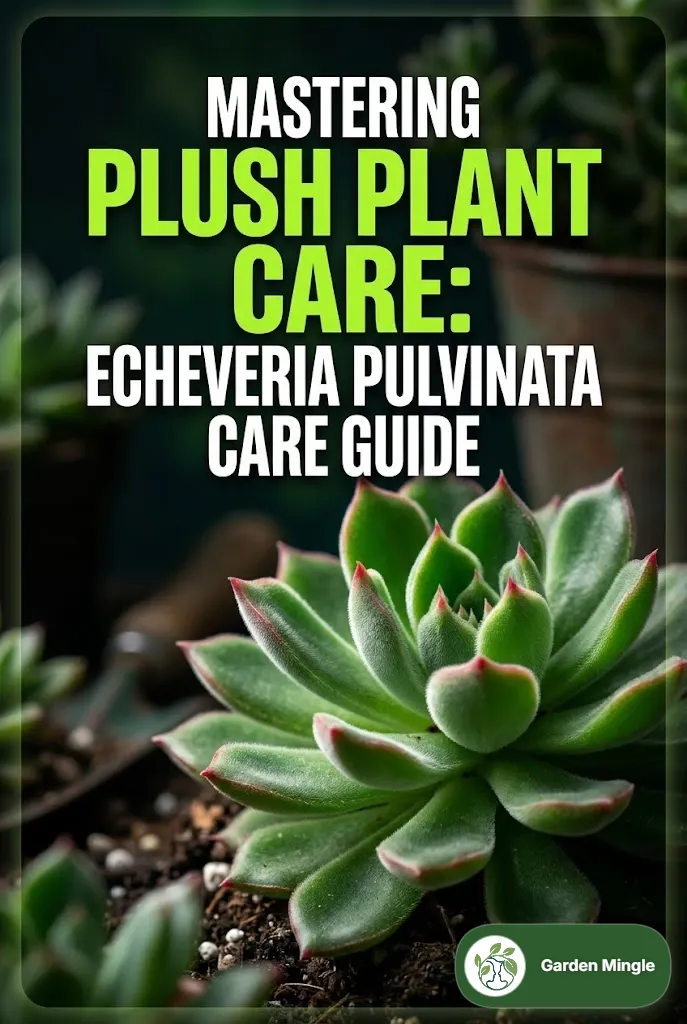
- Mastering Plush Plant Care: Echeveria Pulvinata Care Guide - July 9, 2026
- The Ultimate Guide to Zebra Plant Care - July 9, 2026
Share the post "Mastering Plush Plant Care: Echeveria Pulvinata Care Guide"
When it comes to cultivating beautiful indoor gardens, few plants capture the hearts of succulent lovers quite like Echeveria pulvinata. Known for its striking appearance and unique texture, this succulent not only adds visual interest but also thrives with minimal care. Whether you’re a seasoned gardener or a beginner looking to expand your collection, understanding the essentials of Echeveria pulvinata care can elevate your plant game. Let’s dive into the specifics of nurturing this charming succulent.
Quick Answer
Echeveria pulvinata thrives in bright, indirect sunlight, requires well-draining soil, and should be watered sparingly. Aim for a temperature range of 65-80°F, and be cautious of overwatering, which can lead to root rot.
Understanding Echeveria Pulvinata
Echeveria pulvinata, commonly known as the “Fuzzy Echeveria” due to its soft, fuzzy leaves, is a native of Mexico. This succulent can grow up to 12 inches tall and spreads outwards, creating a stunning rosette shape. Its leaves are covered in a fine, white fuzz that gives them a unique texture and helps them retain moisture.
Why Choose Echeveria Pulvinata?
- Low Maintenance: Ideal for busy lifestyles.
- Unique Appearance: Adds character to any plant collection.
- Air Purification: Helps improve indoor air quality.
Light Requirements
Providing the right light is crucial for the health of your Echeveria pulvinata. Here’s what you need to know:
- Bright Indirect Light: Place your plant near a window where it can receive bright indirect sunlight. Direct sunlight can scorch the leaves.
- Supplemental Lighting: In lower light conditions, consider using grow lights to ensure your plant receives adequate light.
Soil and Potting
The right soil mix is essential for preventing root rot. Here’s how to choose the best soil for your Echeveria pulvinata:
- Well-Draining Soil: Use a cactus or succulent mix that promotes drainage. You can also create your own by mixing regular potting soil with sand or perlite.
- Pot Selection: Choose pots with drainage holes to prevent excess water from accumulating.
Potting Steps
- Select a pot with drainage holes.
- Fill the pot with your well-draining soil mix.
- Carefully remove the Echeveria from its nursery pot.
- Place the plant in the center of the new pot and fill around it with soil.
- Water lightly to settle the soil, then let it dry out before the next watering.
Watering Techniques
Watering can make or break your succulent. Follow these guidelines to keep your Echeveria pulvinata healthy:
- Frequency: Water only when the top inch of soil is dry. This usually translates to every 2-3 weeks, depending on the season.
- Method: Water thoroughly until water drains from the bottom, but avoid letting the plant sit in water.
- Seasonal Changes: Reduce watering during the dormant winter months.
Temperature and Humidity
Understanding the optimal temperature and humidity levels for your Echeveria pulvinata is key to its survival:
- Ideal Temperature: Echeveria pulvinata prefers temperatures between 65°F and 80°F. Protect it from frost and extreme heat.
- Humidity Levels: This succulent thrives in dry conditions, so avoid placing it in overly humid environments.
Fertilization
While Echeveria pulvinata doesn’t require frequent fertilization, a little boost can enhance growth:
- Type of Fertilizer: Use a balanced, diluted succulent fertilizer during the growing season (spring and summer).
- Frequency: Fertilize once a month during the growing season.
Pest and Disease Management
Being vigilant about pests and diseases will keep your Echeveria pulvinata thriving:
- Common Pests: Watch out for mealybugs and aphids. If spotted, treat with insecticidal soap or neem oil.
- Disease Symptoms: Yellowing leaves may indicate overwatering. Adjust your watering schedule accordingly.
Common Mistakes to Avoid
Even the most experienced gardeners can overlook some basic care aspects. Here are pitfalls to avoid:
- Overwatering is the most common mistake—always check the soil moisture first.
- Ignoring light requirements can lead to leggy growth or leaf burn.
- Using regular potting soil without amendments can trap moisture and lead to rot.
Expert Tips for Success
Here are some insider tips to elevate your Echeveria pulvinata care:
- Rotate Your Plant: To ensure even growth, rotate your plant every few weeks so that all sides receive adequate light.
- Group with Other Succulents: Create a beautiful display by grouping Echeveria pulvinata with other succulents that share similar care requirements.
- Propagation: Echeveria can easily be propagated through leaf cuttings. Allow cuttings to callus for a few days before placing them in soil.
Common Questions
How often should I water Echeveria pulvinata?
Water Echeveria pulvinata every 2-3 weeks, allowing the top inch of soil to dry out completely between waterings.
Can Echeveria pulvinata survive indoors?
Yes, Echeveria pulvinata can thrive indoors if provided with sufficient bright, indirect sunlight and proper care.
What type of soil is best for Echeveria pulvinata?
A well-draining cactus or succulent mix is ideal for Echeveria pulvinata to prevent root rot.
Conclusion
Mastering the care of Echeveria pulvinata can be a rewarding journey, offering both beauty and satisfaction. By providing the right light, soil, and watering techniques, you’ll enjoy a thriving plant that brings joy to your home. With a little patience and attention, your Echeveria pulvinata will flourish, adding a touch of elegance to your indoor garden.
Leave a Reply