
- Propagating Succulent Leaves in Water: The Definitive Guide - August 16, 2026
- Succulent Pot Size Guide: 8 Things You Need To Know - August 16, 2026
- How to Prune a Succulent? (Complete Guide) - August 16, 2026
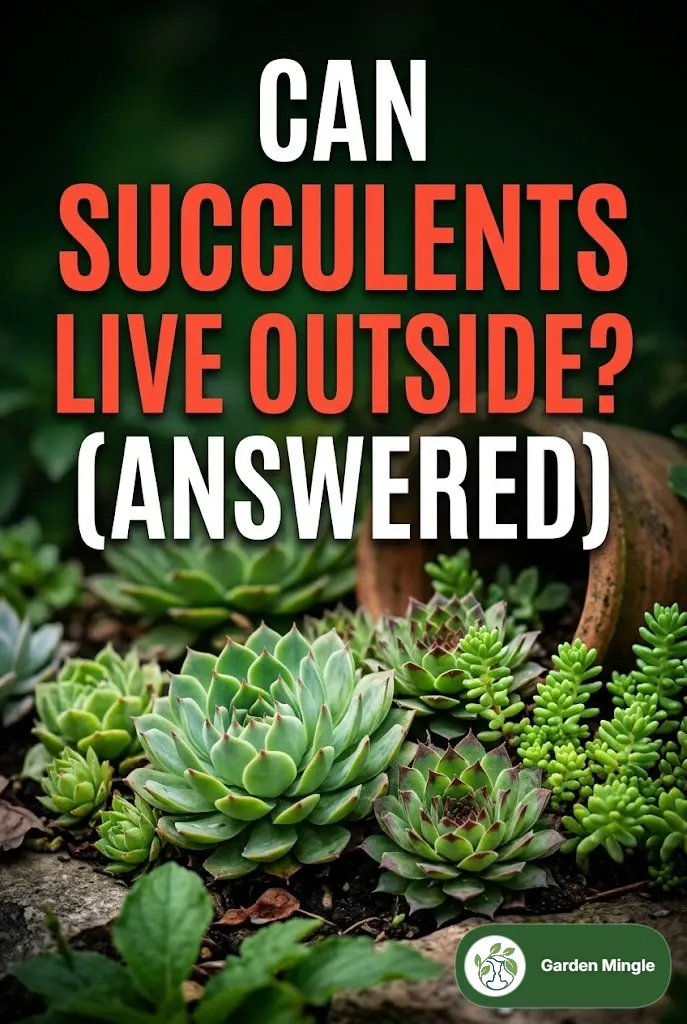
Succulents are often celebrated for their vibrant colors and unique shapes, making them popular choices for indoor gardens. However, many plant enthusiasts wonder if these hardy plants can also thrive in outdoor settings. The truth is, succulents can absolutely live outside, but there are important factors to consider to ensure their health and longevity. Let’s explore how to successfully cultivate succulents outdoors, the conditions they prefer, and some tips to keep them flourishing.
Can Succulents Live Outside?
Yes, succulents can live outside, provided they are placed in the right environment. Most succulents enjoy bright sunlight and well-draining soil, making outdoor settings ideal in many regions. However, it is crucial to consider factors such as climate, temperature, and soil type to create a suitable outdoor habitat for your succulent plants.
Understanding Succulent Needs
Light Requirements
Succulents thrive in bright, indirect sunlight. When placing them outdoors, aim for a location that receives at least six hours of sunlight daily. However, be cautious of intense, direct sunlight, especially in hotter climates, as this can lead to sunburn on the leaves. A spot that offers partial shade during the hottest part of the day is often ideal.
Soil Conditions
Well-draining soil is vital for succulents to prevent root rot. A cactus or succulent potting mix is a great option, but you can also create your own by mixing regular potting soil with sand and perlite in equal parts. Ensure that the planting area has good drainage, as standing water can be detrimental to your plants.
Temperature Tolerance
Most succulents prefer warmer temperatures but can also tolerate cooler conditions. Generally, they thrive in temperatures between 60°F and 80°F (15°C and 27°C). However, some varieties can withstand temperatures as low as 20°F (-6°C). It’s essential to research specific succulent types to understand their temperature preferences and hardiness.
Choosing the Right Succulents for Outdoor Living
Not all succulents are created equal when it comes to outdoor living. Here are some varieties that are particularly well-suited for outdoor gardens:
- Agave: Known for their striking rosettes and tolerance to drought.
- Hens and Chicks (Sempervivum): Hardy and easy to care for, these succulents can thrive in various conditions.
- Jade Plant (Crassula ovata): A popular choice that can adapt well to outdoor environments.
- Sedum: With many varieties, sedums are versatile and can handle a range of temperatures.
- aloe vera: Not only useful for its medicinal properties, but it also thrives outdoors in warm climates.
Creating an Outdoor Succulent Garden
Designing an outdoor succulent garden can be a fun and rewarding project. Here are some steps to get you started:
- Choose a location: Find a spot that receives adequate sunlight and has good drainage.
- Prepare the soil: Amend the soil to ensure it drains well. You can also use raised beds or containers for better control.
- Select your succulents: Choose a variety of succulents to create visual interest. Consider mixing different colors, shapes, and sizes.
- Arrange your plants: Plant them with enough space to grow, ensuring taller varieties don’t overshadow shorter ones.
- Add decorative elements: Incorporate stones, mulch, or decorative pots to enhance the overall look of your garden.
Watering and Maintenance Tips
Proper care is essential for outdoor succulents. Here are some maintenance tips:
Watering
Succulents are drought-tolerant, so it’s crucial to avoid overwatering. Water them deeply but infrequently, allowing the soil to dry out completely between waterings. During the growing season (spring and summer), you may need to water more frequently, while in the dormant season (fall and winter), reduce watering.
Fertilizing
Succulents generally don’t require a lot of fertilizer. A diluted, balanced fertilizer can be applied once in the spring to promote growth. Be cautious not to over-fertilize, as this can damage the plants.
Protection from Elements
During extreme weather conditions, such as heavy rain or frost, consider bringing potted succulents indoors or covering them with frost cloths to protect them from damage.
Common Mistakes to Avoid
Even experienced gardeners can make mistakes when growing succulents outdoors. Here are a few common pitfalls to watch out for:
- Overwatering: This is the most significant threat to succulent health. Always check soil moisture before watering.
- Neglecting sunlight needs: Ensure your succulents receive enough light but be mindful of scorching during extreme heat.
- Ignoring drainage: Poor drainage can lead to root rot. Always use appropriate soil and pots with drainage holes.
- Planting too close together: Giving plants ample space allows for air circulation and reduces the risk of disease.
Expert Tips for Thriving Outdoor Succulents
Here are some insider tips to help your outdoor succulents thrive:
- Rotate your pots: Regularly rotating your potted succulents can help them grow evenly, ensuring all sides receive sunlight.
- Group plants by water needs: Mixing succulents with different water requirements can lead to complications. Keep similar types together.
- Use decorative containers: Consider using colorful or unique pots to add personality to your garden while still providing good drainage.
Frequently Asked Questions
1. Can I leave my succulents outside during winter?
It depends on the type of succulent. Some can withstand cold temperatures while others cannot. Consider bringing sensitive plants indoors or providing protection during cold snaps.
2. How often should I water my outdoor succulents?
Water your outdoor succulents deeply but infrequently, allowing the soil to dry out completely between waterings. Adjust frequency based on weather conditions.
3. Are succulents deer resistant?
Many succulents are deer resistant due to their thick, fleshy leaves, but hungry deer may still nibble on them if food is scarce.
Conclusion
Growing succulents outdoors can be a rewarding experience that adds beauty and character to your garden. By understanding their needs and providing the right environment, you can ensure that your succulents thrive outside. So, gather your favorite varieties, design your outdoor garden, and enjoy the vibrant, low-maintenance beauty of succulents in your landscape.
Leave a Reply