
- Propagating Succulent Leaves in Water: The Definitive Guide - August 16, 2026
- Succulent Pot Size Guide: 8 Things You Need To Know - August 16, 2026
- How to Prune a Succulent? (Complete Guide) - August 16, 2026
Share the post "Fixes that Worked For My Yellowing Leaves on Succulents!"
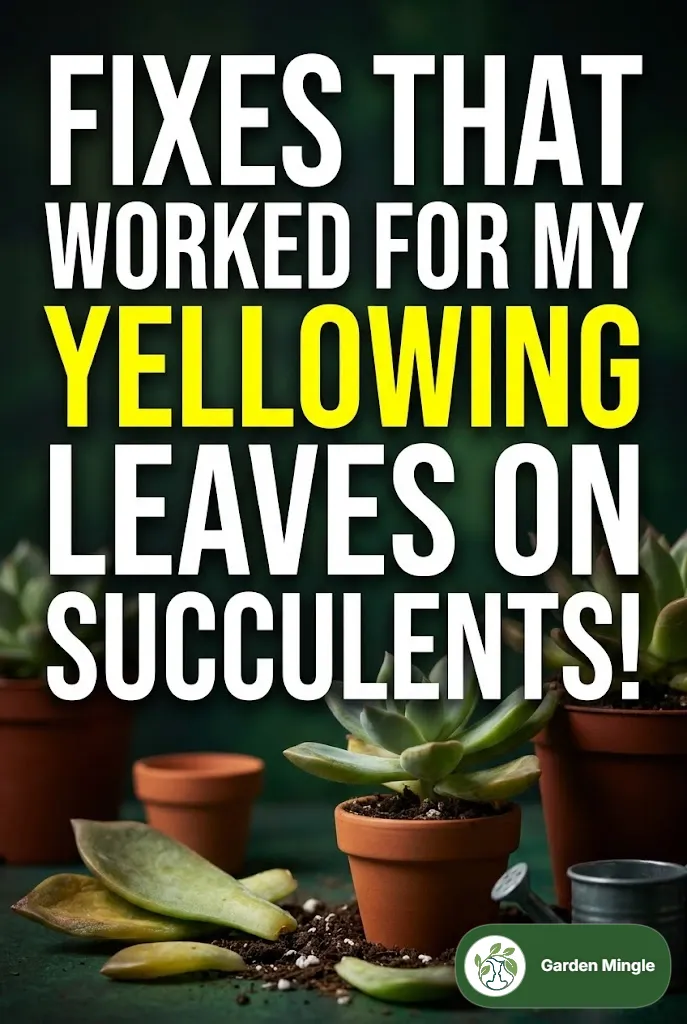
Seeing your beloved succulents turn yellow can be disheartening. These hardy plants are typically known for their vibrant colors and resilience, so when they start to fade, it raises concerns. The good news is that yellowing leaves often signal an underlying issue, and with a bit of knowledge and care, you can restore your succulents to their former glory. Here’s a comprehensive guide on the fixes that worked for my yellowing leaves on succulents, complete with actionable steps you can take to revive your plants.
Understanding Why Succulents Turn Yellow
Before diving into solutions, it’s essential to understand why succulents might develop yellow leaves. Several factors can contribute to this issue, including:
- Overwatering: Succulents are prone to root rot if their soil retains too much moisture.
- Underwatering: Conversely, lack of water can also lead to stress and yellowing.
- Insufficient Light: Succulents need plenty of bright, indirect sunlight to thrive.
- Pests or Disease: Insects or fungal infections can sap the health of your plants.
- Soil Quality: Poor drainage can cause waterlogging, leading to yellowing leaves.
Quick Fixes for Yellowing Leaves
If you notice yellow leaves on your succulents, here are some straightforward fixes that can help:
- Adjust Watering Schedule: Check the moisture level of the soil. If it feels soggy, allow it to dry out completely before watering again. If it’s dry, give your plant a thorough soak.
- Improve Lighting Conditions: Move your succulents to a brighter location. They thrive in bright, indirect sunlight. A south-facing window is often ideal.
- Inspect for Pests: Look closely at your plants for any signs of pests like mealybugs or aphids. Treat infestations promptly with insecticidal soap or neem oil.
- Repot in Well-Draining Soil: If your succulent is in heavy or compact soil, consider repotting it in a mix designed for cacti and succulents, which typically contains sand and perlite for better drainage.
Step-by-Step Guide to Reviving Yellowing Succulents
Step 1: Check the Soil
Begin by examining the soil. Stick your finger about an inch into the soil to gauge moisture levels. If it’s consistently damp, that’s a sign of overwatering. If it’s bone dry, your plant is likely underwatered.
Step 2: Adjust Watering Habits
For overwatered succulents, stop watering for a while. Allow the soil to dry out completely. For underwatered succulents, give them a good soak, ensuring excess water drains out of the pot’s bottom.
Step 3: Optimize Light Exposure
Evaluate where your succulents are situated. If they aren’t receiving at least six hours of bright, indirect sunlight daily, move them to a brighter spot. If they are near a window, ensure they aren’t getting scorched by direct sunlight.
Step 4: Inspect and Treat for Pests
Carefully check for pests. If you spot any, isolate the affected plant and treat it with insecticidal soap or neem oil. This will help eliminate the pests without harming your plant.
Step 5: Repot if Necessary
If the soil seems dense or waterlogged, it’s time to repot. Choose a pot with drainage holes and use a cactus mix or create your own by mixing potting soil with sand and perlite. This will improve drainage and aeration around the roots.
Pinterest-Style Ideas for Succulent Care
Here are some creative and visual ideas to help inspire you in your succulent care journey:
- Colorful Container Gardens: Use a mix of different succulent varieties in an artistic arrangement for a stunning visual impact.
- Succulent Wall Art: Create a living wall with succulents in shadow boxes for an eye-catching display.
- Terrarium Dreams: Assemble a mini succulent garden in a glass terrarium, layering sand and small stones for added texture.
- Seasonal Decor: Incorporate succulents into seasonal decor, such as using them in pumpkin arrangements for fall.
- DIY Plant Labels: Make your own plant labels from stones or wooden sticks for a rustic touch.
Expert Tips for Preventing Yellowing Leaves
To keep your succulents healthy and vibrant, consider these expert tips:
- Water Deeply but Infrequently: When you water, do so thoroughly until water drains from the bottom. Then, wait until the soil is completely dry before watering again.
- Rotate Your Plants: Rotating your succulents can ensure even light exposure and prevent one side from becoming leggy.
- Fertilize Sparingly: Use a diluted cactus fertilizer during the growing season to provide essential nutrients, but avoid over-fertilizing, which can lead to yellowing.
Common Questions About Yellowing Succulents
Why are the leaves on my succulents turning yellow?
Yellowing leaves can result from overwatering, underwatering, insufficient light, pests, or poor soil quality.
How can I tell if I’m overwatering my succulents?
Signs of overwatering include yellowing leaves, mushy stems, and a damp, smelly soil texture.
Can yellow leaves turn green again?
Once leaves have turned yellow, they typically won’t regain their green color. However, addressing the underlying issue can help prevent more leaves from yellowing.
What type of soil is best for succulents?
A well-draining soil mix, ideally designed for cacti and succulents, is best. Look for mixes that contain sand and perlite for optimal drainage.
Conclusion
Restoring your succulents to their vibrant selves is achievable with a little patience and care. By understanding the causes of yellowing leaves and implementing these fixes, you’ll not only save your plants but also enhance your gardening skills. Embrace the journey of succulent care, and enjoy the beauty they bring to your home!
Leave a Reply