
- Propagating Succulent Leaves in Water: The Definitive Guide - August 16, 2026
- Succulent Pot Size Guide: 8 Things You Need To Know - August 16, 2026
- How to Prune a Succulent? (Complete Guide) - August 16, 2026
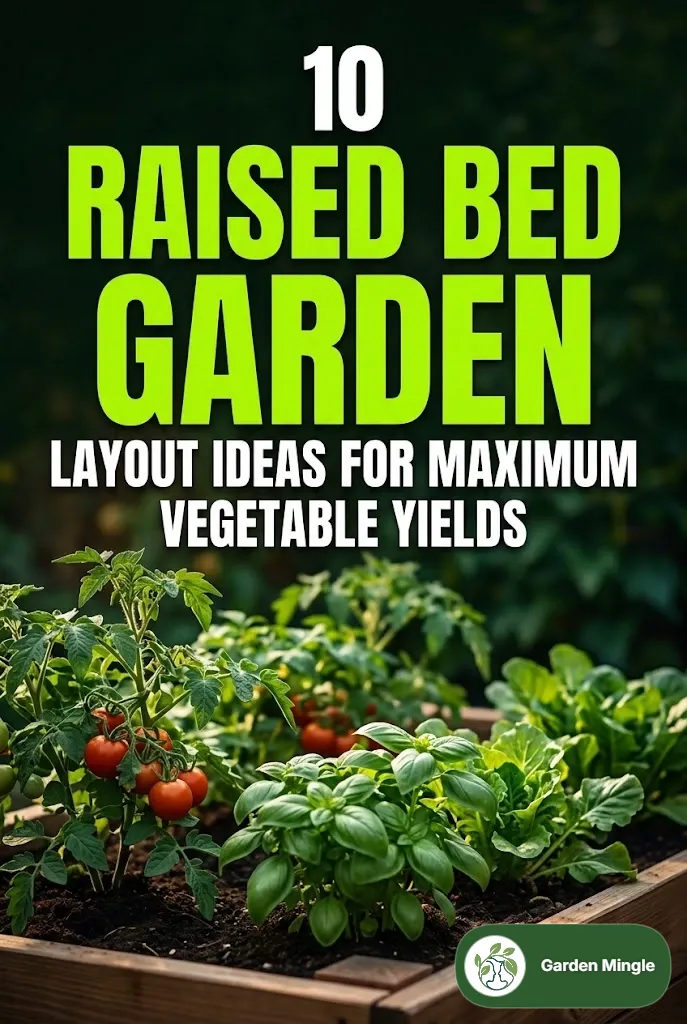
Share the post "10 Raised Bed Garden Layout Ideas for Maximum Vegetable Yields"
Creating a raised bed garden is a fantastic way to maximize your vegetable yields while adding beauty to your outdoor space. With the right layout, you can optimize your planting, improve soil drainage, and make harvesting a breeze. Whether you’re a seasoned gardener or just starting out, exploring various raised bed garden layouts will inspire you to design a productive garden that meets your needs. Here are ten creative layout ideas that will transform your gardening experience.
Quick Answer
To maximize vegetable yields in a raised bed garden, consider layouts like square foot gardening, companion planting, or staggered rows. Each approach enhances space utilization, improves plant health, and boosts productivity, making your gardening efforts more fruitful.
1. Square Foot Gardening
This method divides your raised bed into square sections, typically 1-foot by 1-foot. Each square can host a specific number of plants depending on their size. This organized layout maximizes space and allows for intensive planting.
- Benefits: Efficient use of space, easy to manage, and reduces overcrowding.
- How to Implement: Use a grid system to mark off squares and plant a variety of crops.
2. Companion Planting
Design your raised bed to include companion plants that enhance each other’s growth. For example, planting tomatoes with basil can improve flavor and yield.
- Benefits: Natural pest control, improved growth rates, and enhanced flavors.
- Common Companions: Carrots with onions, beans with corn.
3. Staggered Rows
Instead of traditional straight rows, stagger your plants to utilize space more efficiently. This layout allows for better light penetration and airflow.
- Benefits: Maximizes sunlight exposure and air circulation.
- How to Implement: Offset rows by planting the second row in the gaps of the first.
4. Vertical Gardening
Incorporate vertical structures like trellises or cages to grow climbing plants such as beans or cucumbers. This layout saves ground space while increasing yield.
- Benefits: More planting space, easier harvesting, and reduced pest issues.
- Pro Tip: Use lightweight netting or fencing for support.
5. Circular Layout
A circular raised bed can create a visually appealing focal point in your garden. This layout can also improve access to plants from all sides.
- Benefits: Easy access and an attractive design.
- How to Implement: Use a circular structure or create a rounded bed using soil.
6. Multi-Tiered Beds
Designing multi-tiered raised beds can help you create a stunning garden with varied heights. This approach can improve drainage for plants that require drier soil.
- Benefits: Aesthetic appeal and tailored environments for different plants.
- How to Implement: Stack wooden or stone materials to create levels.
7. Herb Spiral
Herb spirals are a unique way to grow a variety of herbs in a small space. This vertical and spiral layout allows for different microclimates, catering to the needs of various herbs.
- Benefits: Maximizes space and enhances biodiversity.
- How to Implement: Build a spiral with stones or bricks, filling in with soil and herbs.
8. Raised Bed Rows
Another classic layout is to create multiple raised beds in rows, which allows for easy navigation and clear organization. This layout is perfect for larger vegetable gardens.
- Benefits: Easy access for planting and maintenance.
- How to Implement: Space beds appropriately for walking paths between them.
9. Intercropping
Intercropping involves planting different crops in the same garden bed to maximize yield and optimize space. This technique can help prevent disease and pests.
- Benefits: Increased biodiversity and reduced pest problems.
- How to Implement: Pair fast-growing crops with slower-growing ones, like radishes with carrots.
10. Pollinator-Friendly Layout
Design your raised bed with pollinators in mind by incorporating flowering plants alongside your vegetables. This layout can boost pollination and overall yield.
- Benefits: Attracts beneficial insects and increases fruit and seed production.
- How to Implement: Plant flowers like marigolds or zinnias near your vegetable crops.
Expert Tips Section
To enhance your raised bed gardening experience, consider these insider tips:
- Soil Quality: Use a mix of compost, topsoil, and organic matter for nutrient-rich soil.
- Watering: Implement a drip irrigation system for efficient watering.
- Crop Rotation: Change your crops each year to maintain soil health and reduce pests.
Common Questions (FAQ)
What size should my raised bed be for maximum yield?
A width of 4 feet and a length of 6 to 8 feet is often ideal, allowing easy access from all sides.
How deep should my raised bed be?
A depth of at least 12 inches is recommended for proper root development, though 18 inches is better for deeper-rooted crops.
Can I use treated wood for raised beds?
It’s best to avoid treated wood, as chemicals can leach into the soil. Opt for untreated cedar or redwood instead.
What vegetables grow best in raised beds?
Many vegetables thrive in raised beds, including tomatoes, peppers, lettuce, and carrots. Choose based on your climate and preferences.
Conclusion
Exploring these ten raised bed garden layout ideas can inspire you to create a garden that not only looks great but also produces abundant vegetables. By maximizing your space and utilizing efficient planting techniques, you can enjoy a bountiful harvest all season long. Remember to keep experimenting and adapting your layout to find what works best for you. Happy gardening!
Leave a Reply