
- Propagating Succulent Leaves in Water: The Definitive Guide - August 16, 2026
- Succulent Pot Size Guide: 8 Things You Need To Know - August 16, 2026
- How to Prune a Succulent? (Complete Guide) - August 16, 2026
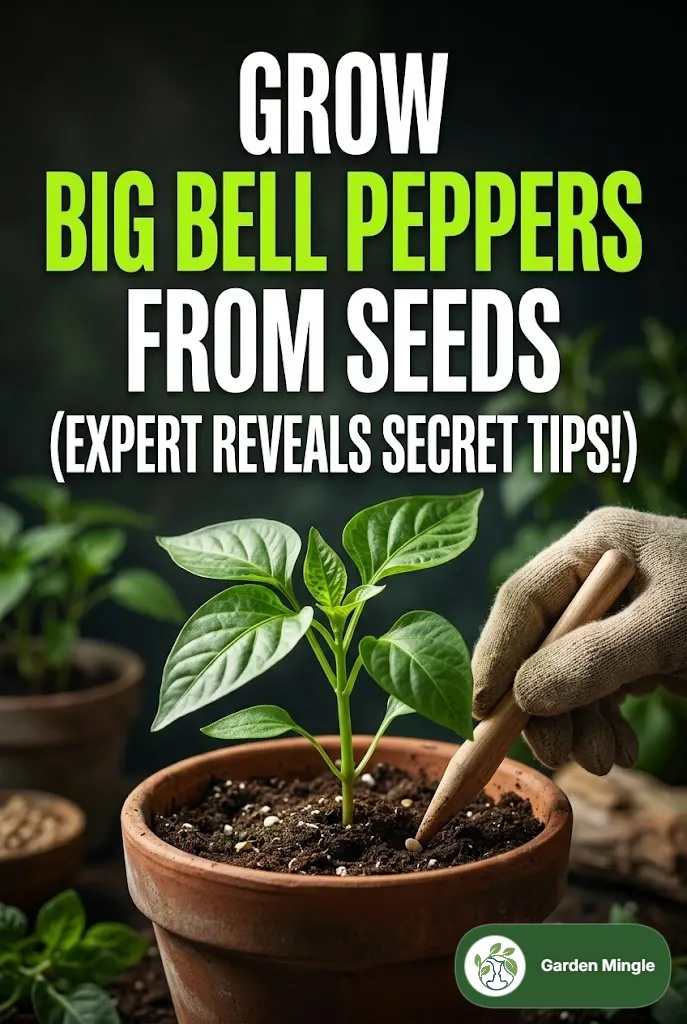
Share the post "Grow Big Bell Peppers from Seeds (Expert Reveals Secret Tips!)"
Growing big, juicy bell peppers from seeds can be a rewarding journey filled with vibrant colors and delicious flavors. However, many gardeners face challenges when starting from seeds, from germination issues to stunted growth. Don’t worry! With the right techniques and some expert tips, you can cultivate a bountiful harvest of bell peppers that will impress your friends and elevate your meals.
Quick Answer
To grow big bell peppers from seeds, start by selecting the right variety, use high-quality seeds, and prepare nutrient-rich soil. Germinate seeds indoors, provide ample light and warmth, and transplant them outdoors after the danger of frost has passed. Consistent watering and fertilization will ensure a healthy plant and larger peppers.
Choosing the Right Variety
Before you even think about planting, it’s essential to choose the right variety of bell pepper that suits your climate and taste preferences. Here are some popular options:
- California Wonder: Classic sweet flavor, great for salads.
- Bell Boy: Early maturing, perfect for short growing seasons.
- Sweet Chocolate: Unique dark color with a rich, sweet flavor.
- Yellow Bell: Adds a twist with its bright color and sweetness.
Preparing to Plant Seeds
Gathering Supplies
To get started, you’ll need:
- High-quality bell pepper seeds
- Seed starting mix or potting soil
- Seed trays or small pots
- Plastic wrap or humidity dome
- Grow lights (if needed)
Soil Preparation
Bell peppers thrive in well-draining, nutrient-rich soil. A seed starting mix is ideal as it provides excellent drainage and aeration. You can also create your own mix by combining:
- 1 part peat moss
- 1 part vermiculite
- 1 part compost
Ensure the soil is moist but not soggy before planting the seeds.
Germination Process
Starting Seeds Indoors
Start your seeds indoors 8-10 weeks before the last expected frost. Fill your seed trays with the prepared soil mix, and plant the seeds about ¼ inch deep. Lightly cover them with soil and water gently. Cover the trays with plastic wrap or a humidity dome to retain moisture and warmth, which are crucial for germination. Keep the trays in a warm location (around 70-80°F) and ensure they receive bright, indirect light.
Watering and Light Requirements
Water the seeds regularly, keeping the soil consistently moist but not waterlogged. Once the seeds sprout, remove the cover and place them under grow lights or in a sunny window. Aim for 12-16 hours of light per day for optimal growth.
Transplanting Seedlings
When to Transplant
Once your seedlings have developed at least two sets of true leaves and the danger of frost has passed, it’s time to transplant them outdoors. This usually occurs around 2-3 weeks after the last frost in your area.
Preparing the Garden Bed
Select a sunny spot in your garden with well-draining soil. Amend the soil with organic compost or a balanced fertilizer to provide nutrients. Space your plants about 18-24 inches apart to allow for full growth.
Transplanting Tips
When transplanting, handle the seedlings by their leaves, not the stems, to avoid damage. Dig a hole slightly larger than the root ball, place the seedling in the hole, and fill it with soil. Water thoroughly after transplanting to help settle the soil.
Caring for Your Bell Peppers
Watering and Fertilization
Bell peppers require consistent watering, especially during dry spells. Aim for 1-2 inches of water per week, depending on rainfall. Using a drip irrigation system can help deliver consistent moisture without wetting the foliage. Fertilize your plants every 4-6 weeks with a balanced fertilizer or organic option like fish emulsion or compost tea. This will encourage strong growth and larger fruits.
Pest and Disease Management
Keep an eye out for common pests like aphids, spider mites, and whiteflies. Introduce beneficial insects such as ladybugs or use insecticidal soap for control. Ensure proper spacing and air circulation to prevent diseases like powdery mildew.
Pinterest-Style Ideas for Growing Big Bell Peppers
Here are some visually appealing ideas to inspire your bell pepper garden:
- Colorful Companion Planting: Pair bell peppers with marigolds to ward off pests naturally.
- Vertical Gardening: Use trellises to grow peppers upward, saving space and improving air circulation.
- Creative Containers: Grow bell peppers in decorative pots or hanging baskets for a stunning garden display.
- Succession Planting: Plant seeds every few weeks for a continuous harvest throughout the season.
Expert Tips for Success
- Temperature Check: Bell peppers love warmth; nighttime temperatures need to stay above 55°F for optimal fruit set.
- Pruning: Remove the first few flowers to encourage stronger growth and larger peppers later in the season.
- Mulching: Use organic mulch to retain soil moisture and suppress weeds.
Common Questions (FAQ)
How long does it take for bell pepper seeds to germinate?
Bell pepper seeds typically germinate in 7-14 days, depending on temperature and moisture levels.
What is the best time to plant bell peppers outdoors?
Plant bell peppers outdoors after the last frost date when temperatures consistently stay above 70°F during the day.
Why are my bell peppers not growing big?
Insufficient light, poor soil nutrients, or inconsistent watering can hinder growth. Ensure your plants receive adequate sunlight and nutrients.
Can I grow bell peppers in containers?
Yes, bell peppers thrive in containers! Use at least a 5-gallon pot with good drainage to support healthy growth.
Conclusion
Growing big bell peppers from seeds is not only achievable but also incredibly satisfying. With proper care, attention, and the expert tips shared above, you’ll be on your way to enjoying a fruitful harvest. Embrace the journey, experiment with different varieties, and don’t hesitate to share your success with fellow gardening enthusiasts. Happy gardening!
Leave a Reply