
- How to Grow Cauliflower from Seed: Never Fail Garden Secret! - July 22, 2026
- How to Grow Beets in Containers: Secret Tips That Experts Hide! - July 22, 2026
- Natural Fertilizer for Vegetable Garden: Tips Experts Won’t Reveal! - July 22, 2026
Share the post "How to Grow Beets in Containers: Secret Tips That Experts Hide!"
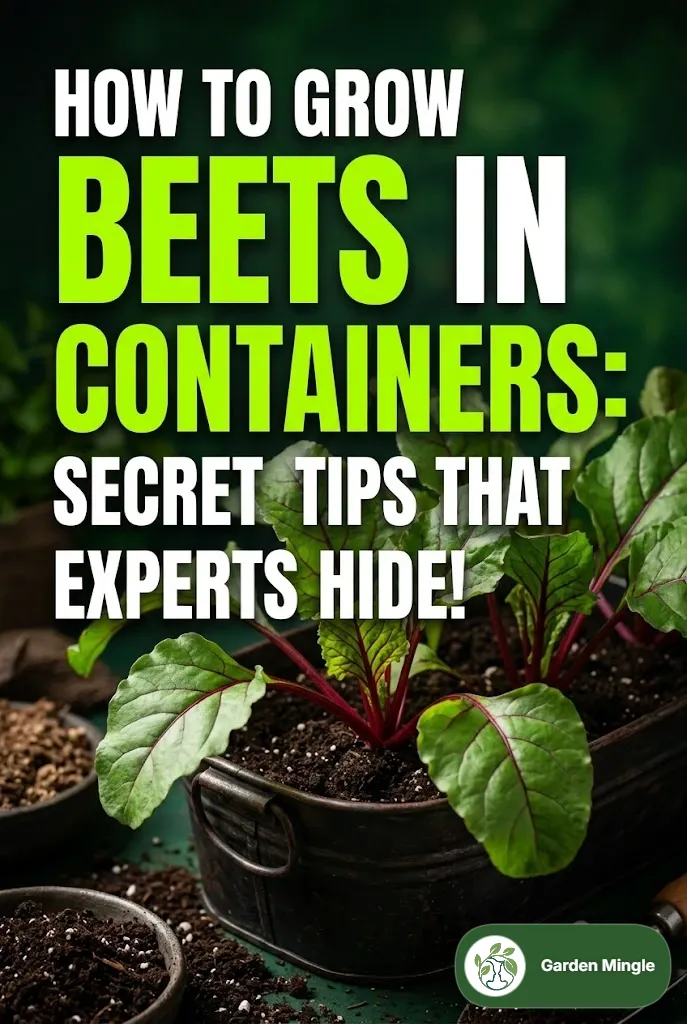
Growing beets in containers is a rewarding venture that allows you to enjoy fresh, homegrown produce even in limited spaces. Whether you have a small balcony, a patio, or just a sunny corner of your yard, container gardening offers flexibility and accessibility. Beets are not only delicious but also packed with nutrients, making them a fantastic addition to your diet. However, there are some expert tips that can elevate your container beet-growing game from novice to pro. Let’s dive into the secrets that will help you cultivate healthy, vibrant beets in containers.
Quick Answer
To grow beets in containers, choose a wide pot with good drainage, use quality potting soil, and ensure they receive at least 6 hours of sunlight daily. Water consistently and thin seedlings for better growth. With these steps, you can enjoy a bountiful beet harvest in limited space.
Choosing the Right Container
The first step in successfully growing beets in containers is selecting the right pot. Here are some key factors to consider:
Size Matters
- Opt for a container that is at least 12-18 inches wide and 12 inches deep. Beets need space to develop their roots.
- Using a larger container can provide more room for growth and reduce the chances of overcrowding.
Drainage is Crucial
- Ensure your container has drainage holes to prevent waterlogging, which can lead to root rot.
- You can add a layer of gravel at the bottom of the pot to enhance drainage.
Soil Selection
The soil you choose can significantly impact your beets’ growth. Here’s what to look for:
Quality Potting Mix
- Use a high-quality potting mix that retains moisture but drains well. Look for mixes that are rich in organic matter.
- A blend with added compost can provide essential nutrients for healthy growth.
pH Level
- Beets prefer a slightly acidic to neutral soil pH of 6.0 to 7.0. Test your soil and amend it if necessary.
Planting Your Beets
Once you have your container and soil ready, it’s time to plant your beets. Follow these steps for optimal results:
Seed Selection
- Choose varieties suited for container gardening, such as ‘Chioggia’ or ‘Detroit Dark Red.’ These are known for their smaller root sizes, making them ideal for pots.
Planting Depth and Spacing
- Sow seeds about ½ inch deep and space them 2-3 inches apart to allow room for growth.
- After germination, thin seedlings to 4 inches apart to ensure each beet has enough space to develop.
Watering and Fertilizing
Proper watering and fertilizing techniques are vital for the health of your beets:
Watering Techniques
- Water consistently to keep the soil evenly moist, but avoid overwatering. Beets thrive in well-drained soil that isn’t soggy.
- Check the top inch of soil; if it feels dry, it’s time to water.
Fertilization Schedule
- Use a balanced slow-release fertilizer at planting and follow up with a liquid fertilizer every few weeks, especially during active growth.
- A fertilizer high in phosphorus can promote root development, essential for robust beets.
Sunlight Requirements
Beets thrive in bright, sunny conditions. Follow these tips to ensure your plants get enough light:
Optimal Sunlight Exposure
- Place your container in a location that receives at least 6 hours of direct sunlight per day.
- If you live in a warmer climate, some afternoon shade can prevent the soil from drying out too quickly.
Pest and Disease Management
Even container-grown beets can face pest and disease challenges. Keep an eye out for:
Common Pests
- Aphids and beetles can be problematic. Regularly inspect your plants and use insecticidal soap if necessary.
- Introduce beneficial insects like ladybugs to help control aphid populations naturally.
Disease Prevention
- Ensure good air circulation around your plants to minimize the risk of fungal diseases.
- Avoid overhead watering, which can promote mold and mildew growth.
Pinterest-Style Ideas for Container Beet Gardens
Visual inspiration can help you plan your container beet garden. Here are some creative ideas:
- Colorful Container Combinations: Plant beets alongside vibrant flowers like marigolds or nasturtiums for a stunning display.
- Vertical Beet Gardens: Use tiered plant stands to create a multi-layered beet garden, maximizing small spaces.
- Herb Companions: Combine beets with herbs like dill or basil that can enhance flavors and deter pests.
Expert Tips for Success
Here are some insider tips to elevate your beet-growing experience:
- Consider using a fabric pot, which allows for better airflow and drainage compared to traditional plastic containers.
- Rotate your beet crops each season to prevent soil-borne diseases and nutrient depletion.
- Harvest beets when they reach about 1.5 to 3 inches in diameter for the best flavor and tenderness.
Common Questions About Growing Beets in Containers
1. Can I grow beets in a small container?
Yes, but choose a container that is at least 12 inches wide and deep to provide enough space for root development.
2. How long does it take for beets to grow?
Beets typically take about 50 to 70 days to mature, depending on the variety and growing conditions.
3. Can I grow beets indoors?
Yes, with sufficient light from grow lights or a sunny window, you can successfully grow beets indoors in containers.
Conclusion
Growing beets in containers can be a delightful and productive experience. With the right container, quality soil, and proper care, you can enjoy a bountiful harvest right at your doorstep. Remember to stay consistent with watering, provide ample sunlight, and watch out for pests. Embrace the joy of gardening and savor the delicious taste of your homegrown beets!
Leave a Reply