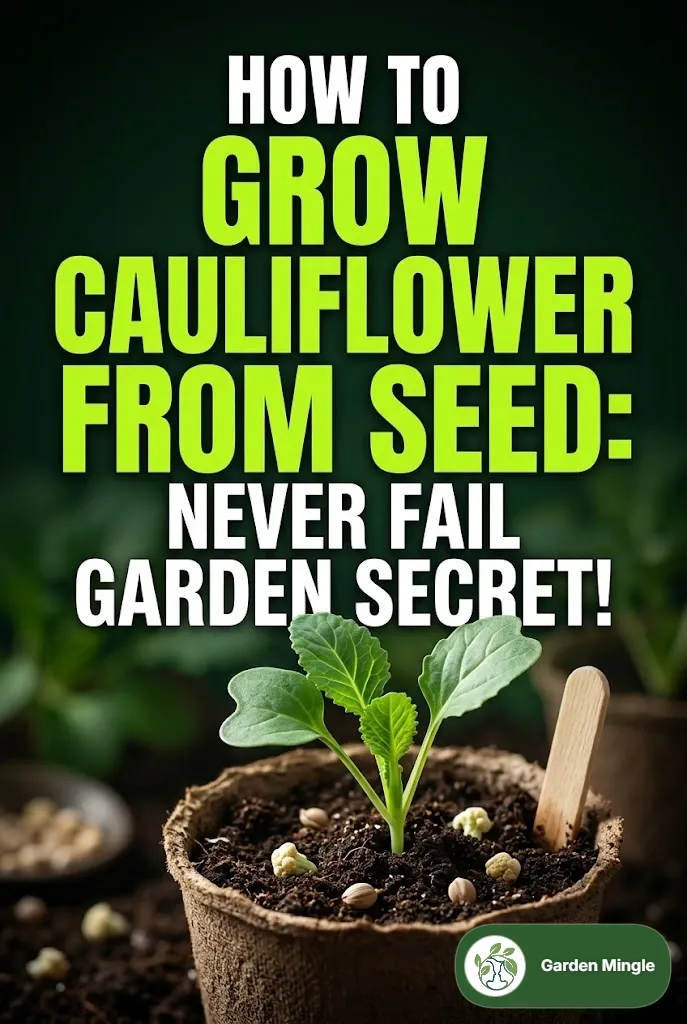

- How to Grow Cauliflower from Seed: Never Fail Garden Secret! - July 22, 2026
- How to Grow Beets in Containers: Secret Tips That Experts Hide! - July 22, 2026
- Natural Fertilizer for Vegetable Garden: Tips Experts Won’t Reveal! - July 22, 2026
Share the post "How to Grow Cauliflower from Seed: Never Fail Garden Secret!"
Growing cauliflower from seed can seem intimidating, especially for novice gardeners. However, with the right techniques, you can cultivate this nutritious vegetable successfully. Imagine stepping into your garden and harvesting fresh, crisp cauliflower, ready to be transformed into delicious dishes. Let’s dive into the secrets of cauliflower cultivation, ensuring you have a bountiful harvest without the common pitfalls!
Quick Answer
To grow cauliflower from seed, start by choosing the right variety for your climate, prepare your soil well, and provide consistent moisture and temperature. Germination occurs in 7-12 days, followed by careful nurturing of seedlings until they are ready for transplanting. With proper care, you’ll enjoy a thriving cauliflower garden.
Understanding Cauliflower Varieties
Cauliflower comes in several varieties, each suited for different climates and seasons. Understanding these can help you select the best type for your garden.
Popular Varieties
- White Cauliflower: The most common type, known for its classic appearance and flavor.
- Purple Cauliflower: Offers an eye-catching color and slightly nuttier flavor.
- Green Cauliflower: Sometimes called broccoli cauliflower, it has a milder taste and vibrant green color.
- Orange Cauliflower: Contains more beta-carotene than white varieties and has a sweet flavor.
Preparing to Plant Cauliflower Seeds
Before you start planting, adequate preparation is crucial for success. Here’s how to set the stage for your cauliflower seeds.
Soil Preparation
Cauliflower thrives in well-drained, nutrient-rich soil. Follow these steps for optimal soil conditions:
- Test Your Soil: Check the pH level; cauliflower prefers a pH between 6.0 and 7.0.
- Amend the Soil: Incorporate organic matter like compost or aged manure to boost fertility.
- Tilling: Loosen the soil to a depth of at least 12 inches to encourage root growth.
Choosing the Right Location
Cauliflower loves the sun, so pick a location that receives at least 6-8 hours of direct sunlight daily. Avoid areas where cruciferous plants have grown recently to reduce the risk of pests and diseases.
Planting Cauliflower Seeds
Once your soil is prepared, it’s time to plant! Follow these steps for successful seed planting.
When to Plant
Cauliflower can be planted in spring or fall, depending on your growing zone. Aim for:
- Spring Planting: Start seeds indoors 6-8 weeks before the last frost date.
- Fall Planting: Start seeds indoors 12-14 weeks before the first frost date.
How to Plant
- Seed Depth: Sow seeds about ¼ to ½ inch deep.
- Spacing: Space seeds 18-24 inches apart in rows.
- Watering: Water gently after planting to moisten the soil without washing away seeds.
Seedling Care
After planting, nurturing your seedlings is essential for their growth. Here are some tips:
Watering
Keep the soil consistently moist but not soggy. Water deeply once or twice a week, especially during dry spells. Avoid overhead watering to prevent fungal diseases.
Fertilizing
Feed your seedlings with a balanced fertilizer high in nitrogen. Apply a liquid fertilizer every 4-6 weeks once seedlings have their first true leaves.
Thinning Seedlings
Once seedlings are about 2-3 inches tall, thin them to prevent overcrowding. Leave the strongest plants, ideally 18-24 inches apart, to allow for proper growth.
Transplanting Cauliflower
When seedlings reach about 4-6 inches tall and have a few true leaves, it’s time to transplant them into the garden.
How to Transplant
- Timing: Transplant on a cloudy day or in the late afternoon to reduce transplant shock.
- Harden Off: Gradually acclimate seedlings to outdoor conditions over a week.
- Planting: Dig holes, place seedlings in, and fill with soil, firming it gently around the base.
Post-Transplant Care
After transplanting, continue to water and fertilize your cauliflower regularly. Apply mulch to retain moisture and suppress weeds.
Pest and Disease Management
Cauliflower is susceptible to several pests and diseases. Here’s how to keep them at bay:
Common Pests
- Cabbage Worms: Use row covers to protect young plants and hand-pick visible pests.
- Aphids: Spray with insecticidal soap or a strong stream of water to dislodge them.
Diseases to Watch For
- Downy Mildew: Ensure proper air circulation and avoid overhead watering.
- Black Rot: Rotate crops yearly and remove any infected plants immediately.
Harvesting Cauliflower
Knowing when to harvest is crucial for the best flavor and texture. Here’s what to look for:
Signs of Ripeness
- The heads should be firm and compact, with no visible flowering.
- Harvest when heads are 6-8 inches in diameter, typically 70-100 days after planting.
How to Harvest
Use a sharp knife to cut the head from the plant, leaving a few leaves attached for protection. Store harvested cauliflower in a cool, dark place to maintain freshness.
Expert Tips for Thriving Cauliflower
Here are some insider tips to elevate your cauliflower growing game:
- Rotate Crops: Plant cauliflower in different spots each year to prevent soil-borne diseases.
- Companion Planting: Consider planting with herbs like dill or basil to deter pests.
- Timing Is Key: Plant at the right time for your zone to avoid heat stress, which can cause flowering.
Common Questions
How long does it take for cauliflower seeds to germinate?
Cauliflower seeds typically germinate within 7-12 days under optimal conditions.
Can I grow cauliflower in containers?
Yes, cauliflower can be grown in containers as long as they are deep enough (at least 12 inches) to accommodate root growth.
Why is my cauliflower not forming heads?
Cauliflower may not form heads if temperatures are too high or if it’s stressed from lack of water or nutrients.
Conclusion
With the right steps and a bit of patience, growing cauliflower from seed can be a rewarding endeavor. Remember to prepare your soil, monitor your plants, and enjoy the process! Start your cauliflower journey today, and soon you’ll be savoring the fruits of your labor in your favorite dishes.
Leave a Reply