
- Propagating Succulent Leaves in Water: The Definitive Guide - August 16, 2026
- Succulent Pot Size Guide: 8 Things You Need To Know - August 16, 2026
- How to Prune a Succulent? (Complete Guide) - August 16, 2026
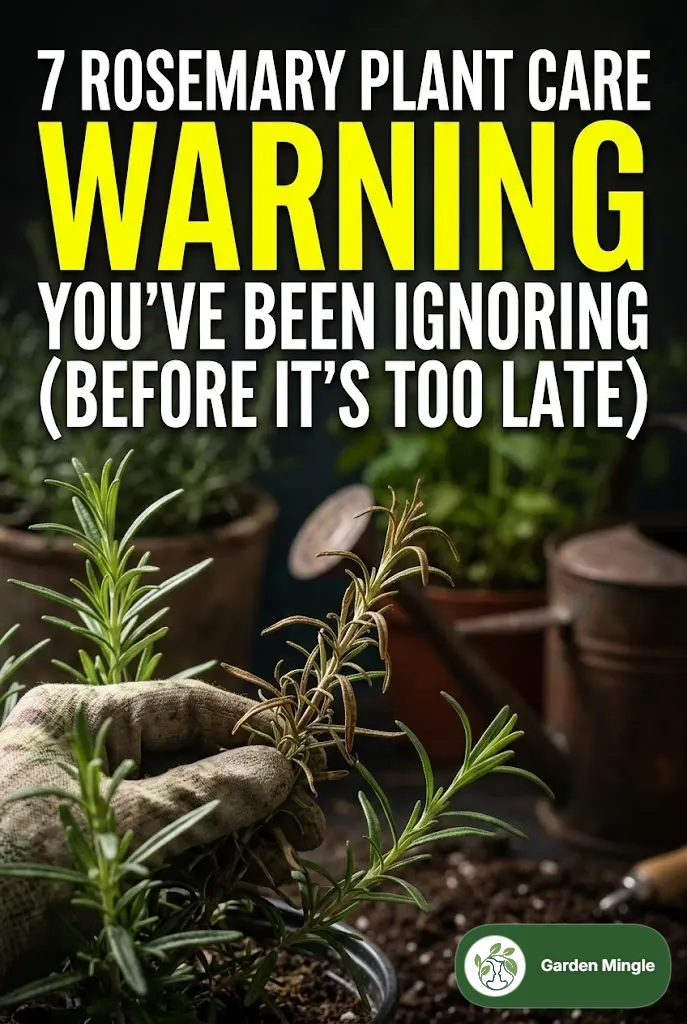
Share the post "7 Rosemary Plant Care Warning Signs You’ve Been Ignoring (Before It’s Too Late)"
Rosemary is a beloved herb known for its aromatic leaves and versatility in cooking. However, many gardeners often overlook the specific care needs of this resilient plant, leading to potential issues that can threaten its health. Recognizing the warning signs early can make all the difference in keeping your rosemary thriving. Here, we explore seven critical signs that indicate your rosemary plant may be struggling and what you can do to remedy the situation before it’s too late.
Quick Answer
If your rosemary plant shows signs of wilting, yellowing leaves, stunted growth, or pests, it may be time to reassess your care routine. Addressing these issues promptly can help restore your plant to health and prevent further decline.
1. Wilting Leaves
One of the most obvious signs that your rosemary plant is in distress is wilting leaves. This can occur due to various reasons, including:
- Underwatering: Rosemary prefers a well-draining soil mix and can wilt if it doesn’t receive enough water.
- Overwatering: Conversely, too much water can lead to root rot, which also causes wilting.
To resolve this issue, check the soil moisture. If the soil feels dry an inch below the surface, give your plant a drink. If it’s soggy, adjust your watering schedule and consider repotting if root rot is suspected.
2. Yellowing Leaves
Yellow leaves can indicate a few underlying problems. If you notice the lower leaves turning yellow, it may be a sign of:
- Nutrient Deficiency: Rosemary requires nutrients to thrive. A lack of nitrogen can lead to yellowing leaves.
- Pests or Disease: Pests like aphids or diseases such as powdery mildew can also cause yellow leaves.
To remedy nutrient deficiency, consider using a balanced fertilizer designed for herbs. If pests are suspected, inspect the leaves closely and treat with insecticidal soap if necessary.
3. Stunted Growth
If your rosemary plant isn’t growing as vigorously as it should, it may be a sign of stress. Common causes of stunted growth include:
- Improper Lighting: Rosemary thrives in full sun. Insufficient light can hinder growth.
- Root Bound: If your plant is in a pot that’s too small, it may become root bound, limiting its growth.
Ensure your rosemary is placed in a spot where it receives at least 6-8 hours of sunlight daily. If it’s root bound, consider repotting it into a larger container with fresh soil.
4. Browning Leaf Tips
Browning tips on rosemary leaves can be alarming and usually indicate:
- Low Humidity: Rosemary prefers moderate humidity levels. When air is too dry, leaf tips may brown.
- Fertilizer Burn: Excessive fertilizer can lead to root damage, causing browning.
To fix low humidity, consider misting your plant occasionally or placing it near a humidifier. If you suspect fertilizer burn, flush the soil with water to help remove excess nutrients.
5. Fungal Growth or Mold
Seeing any kind of mold or fungus on your rosemary can be a significant warning sign. This is often caused by:
- Overwatering: Excess moisture can lead to fungal issues.
- Poor Air Circulation: Plants that are too crowded or in poorly ventilated areas are at risk.
If you spot mold, reduce watering and ensure adequate spacing between plants for better airflow. You might also want to use a fungicide to treat any existing fungal issues.
6. Pest Infestations
Common pests like aphids, spider mites, and whiteflies can wreak havoc on your rosemary plant. Signs of pest infestations include:
- Visible Insects: Check the undersides of leaves for tiny bugs.
- Sticky Residue: A sticky substance known as honeydew can be a sign of aphids.
To combat pests, try washing them off with a strong stream of water. If the problem persists, consider using organic insecticides or neem oil as a treatment.
7. Lack of Aroma
One of rosemary’s signature traits is its strong, aromatic scent. If your plant suddenly loses its fragrance, it could be a sign of:
- Stress: Stress from environmental factors like extreme temperatures can affect the plant’s oil production.
- Neglect: A lack of care, such as infrequent pruning or poor nutrition, can also lead to diminished aroma.
To revitalize your plant, ensure it is receiving the right care. Prune it regularly to encourage new growth, and provide adequate nutrients to enhance its flavor and aroma.
Expert Tips for Keeping Rosemary Healthy
To ensure your rosemary thrives, consider these insider tips:
- Choose well-draining soil and pots to prevent water accumulation.
- Rotate your plant regularly for even sunlight exposure.
- Prune your rosemary periodically to encourage bushiness and prevent leggy growth.
- Consider companion planting with herbs like basil or thyme, which can help deter pests.
Common Questions (FAQ)
How often should I water my rosemary plant?
Water your rosemary when the top inch of soil feels dry. Typically, this may mean watering once a week, but it can vary based on the climate and season.
Can I grow rosemary indoors?
Yes, rosemary can be grown indoors, but it requires plenty of sunlight, ideally a south-facing window, and should not be overwatered.
What is the best temperature for rosemary?
Rosemary thrives in temperatures between 60°F and 75°F (15°C to 24°C). Protect it from extreme heat or frost.
How can I tell if my rosemary is root bound?
If roots are growing out of the drainage holes or if the plant is not growing anymore, it may be root bound. Consider repotting into a larger container.
Conclusion
By recognizing these seven warning signs in your rosemary plant, you can take proactive steps to ensure its health and vitality. Regular monitoring and a bit of care can help your rosemary flourish, providing you with fresh, fragrant leaves for your culinary delights. So, keep an eye on your plant, adjust your care routine as needed, and enjoy the benefits of a thriving rosemary garden!
Leave a Reply